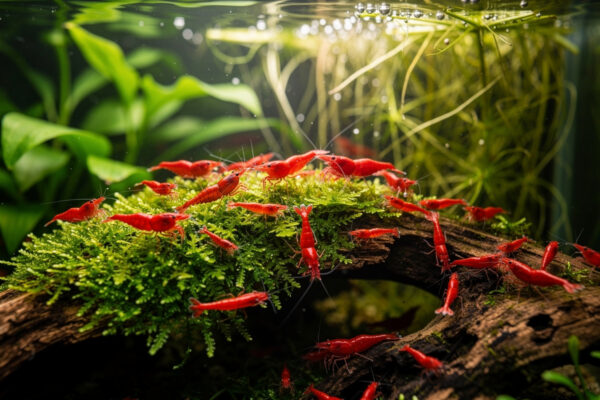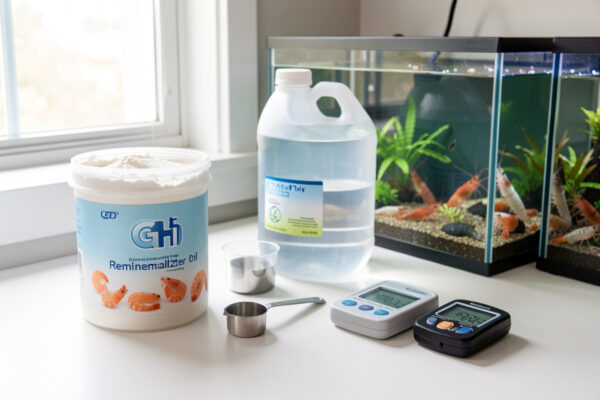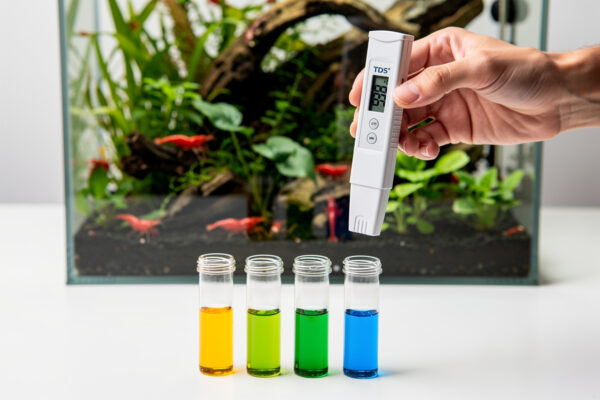
RO water remineralization for shrimp means stripping tap water down to near-zero TDS with reverse osmosis, then rebuilding it to a precise GH 6-8, KH 2-4, TDS 150-250 using a shrimp mineral. For Neocaridina it is optional — only worth it when your tap is too hard, too soft, or too unpredictable to trust. For Caridina it is mandatory.
I run my own shrimp tank on remineralized RO, but I am honest about why: my Swedish tap is harder and more variable than I want, so RO plus a measured rebuild gives me a known starting point every single time. That repeatability is the entire value. If your tap already lands in the cherry-shrimp band, you do not need any of this — conditioned tap is simpler and just as good. This guide is for the keepers whose tap forces the issue, and it builds on the parameter logic in my cherry shrimp water parameters breakdown.
Do Cherry Shrimp Actually Need RO Water?
Cherry shrimp do not inherently need RO water. Neocaridina are hardy enough to thrive on dechlorinated tap that sits near GH 6-8 and KH 2-4. RO becomes worthwhile only when your tap is out of range or swings between readings — then RO plus remineralization buys you consistency you cannot get from the faucet.
The honest test is simple: fill a bucket with dechlorinated tap, let it sit 24 hours, and measure GH, KH, and TDS. If it lands in the cherry band and reads the same week to week, keep your money — you have good shrimp water already. The keepers who genuinely benefit from RO are those with very hard tap (GH well above 8), municipal water that changes seasonally, or anyone moving up to soft-water Caridina shrimp later. Buying an RO unit you do not need, then mixing minerals inconsistently, produces water less stable than the tap you replaced. That is the single most common RO mistake I see.
How Do You Remineralize RO Water for Shrimp?
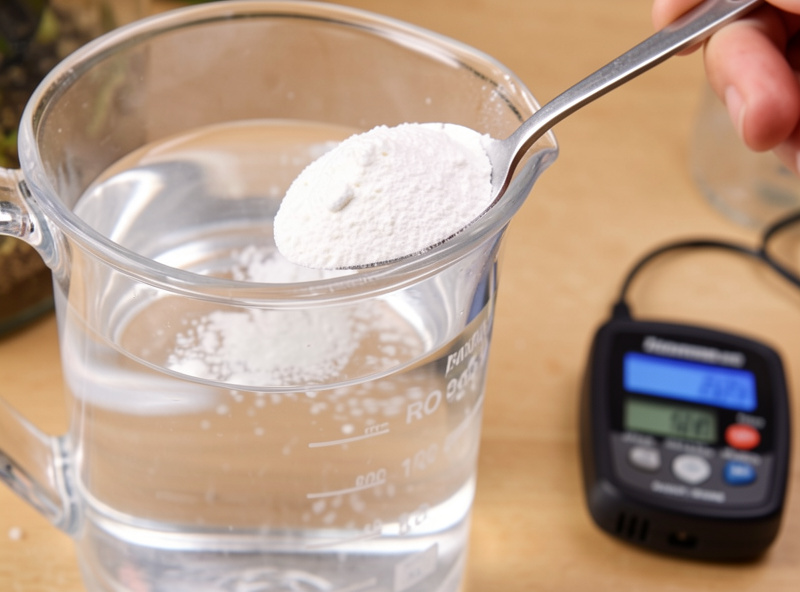
You remineralize RO water by adding a shrimp-specific GH/KH mineral powder to pure (near-zero TDS) RO water and stirring until it dissolves, then testing TDS and GH up to your target. For Neocaridina, aim the rebuilt water at GH 6-8, KH 2-4, TDS 150-250. Always remineralize in a mixing container, never in the tank.
The process is the same discipline I used making hydroponic nutrient solution: start with a clean blank slate, add a measured amount, dissolve fully, then verify with an instrument before use. Add the mineral a little at a time, stir, wait a couple of minutes for it to fully dissolve, and check TDS with a pen. Creep up on your target rather than overshooting — it is far easier to add more mineral than to dilute back down. Once you find the dose that hits your numbers for your water volume, note it in your log and it becomes a repeatable recipe. A shrimp GH/KH remineralizer and a calibrated TDS meter pen are the two tools this whole method runs on.
As an Amazon Associate I earn from qualifying purchases.
Neocaridina vs Caridina Remineralization
The two shrimp genera need completely different remineralizers, and mixing them up is a classic, costly error. Neocaridina (cherry) want a GH/KH+ mineral that raises both hardness types. Caridina (crystal/bee) want a GH-only mineral that leaves KH at zero for their acidic soft-water requirement. Buying the wrong one ruins the chemistry.
| Factor | Neocaridina (cherry) | Caridina (crystal/bee) |
|---|---|---|
| Remineralizer type | GH/KH+ (raises both) | GH+ only (KH stays 0) |
| Target GH | 6-8 dGH | 4-6 dGH |
| Target KH | 2-4 dKH | 0-1 dKH |
| Target TDS | 150-250 ppm | 100-150 ppm |
| Target pH | 6.8-7.6 | 5.5-6.5 |
| Source water | Tap often fine | RO required |
This article and the rest of my shrimp work focus on Neocaridina — the cherries that are my colony’s actual residents. The Caridina column is here so you do not accidentally buy a GH-only mineral for cherries (their KH would sit at zero and risk a pH crash) or a GH/KH+ mineral for crystals (their KH would be wrong for the genus). Match the remineralizer to the shrimp.
What RO System Do You Need for a Nano Tank?
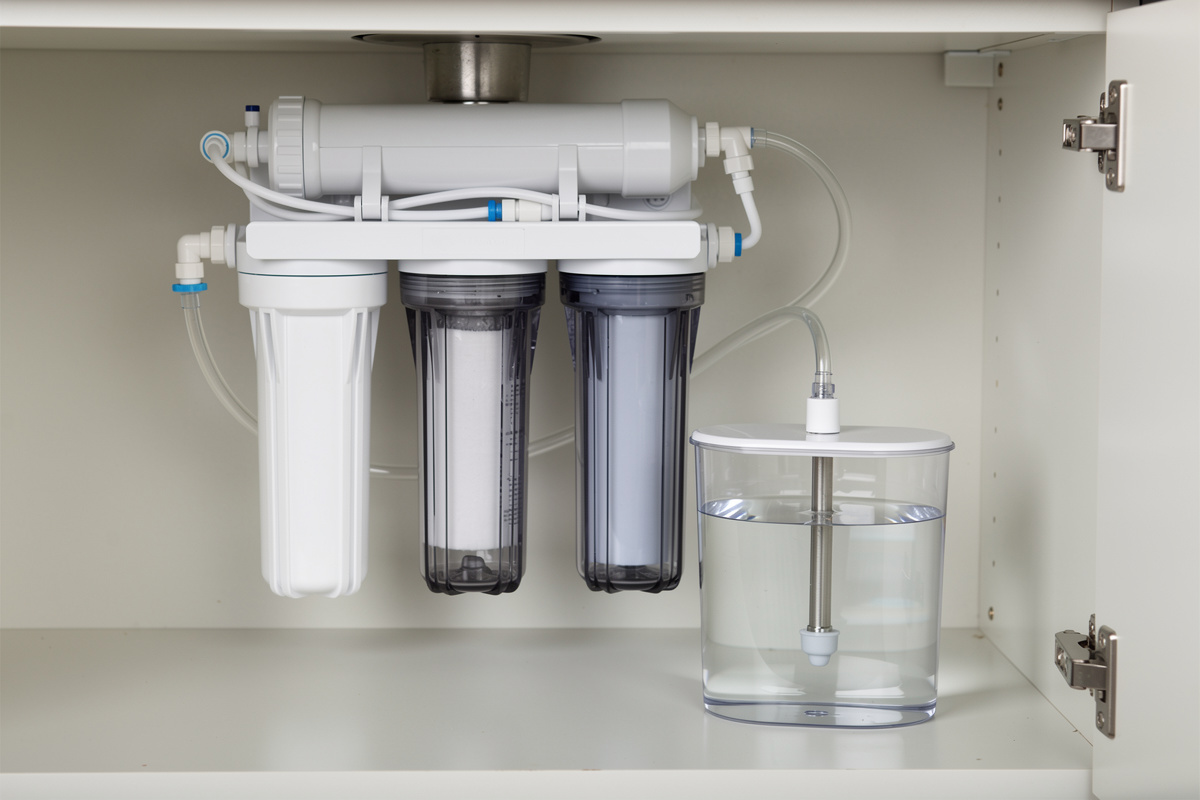
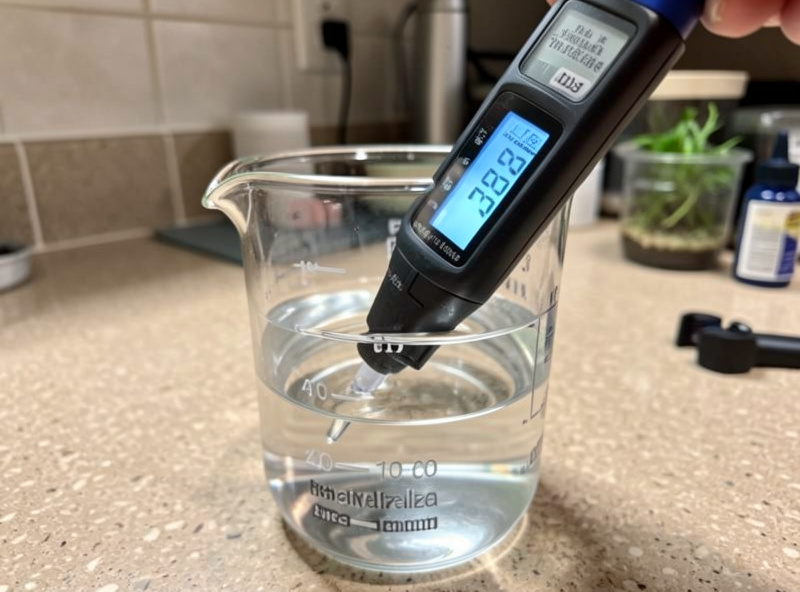
For a single nano shrimp tank, a small countertop or under-sink RO unit producing 50-100 gallons per day is far more capacity than you need — a nano tank’s weekly water change is measured in litres, not gallons. The key spec is not output volume but the quality of the membrane and a TDS readout so you know the RO water is actually near-zero.
Do not overbuy here. A compact aquarium reverse osmosis system handles a nano tank with room to spare, and many include an inline TDS meter so you can confirm the output reads in single digits. A worn membrane that leaks dissolved solids defeats the entire point — you would be remineralizing water that is not actually blank. I check my RO output TDS periodically; if it climbs from near-zero, the membrane or filters need replacing. RO water wastes some tap water in production (the reject line), so site the unit somewhere it can drain, and store the pure water in a clean, food-safe container until you remineralize it. I keep a couple of sealed jugs of finished, remineralized water ready so a water change is never delayed by mixing time — the water is made, measured, and resting before the tank needs it. That small habit removes the temptation to rush a fresh batch and skip the TDS check. The whole system is only as good as the discipline behind it, the same lesson from my nano tank stability work, and it is why I treat remineralizing as a scheduled task rather than an emergency one.
Frequently Asked Questions
Do cherry shrimp need RO water?
Not usually. Neocaridina cherry shrimp thrive on dechlorinated tap that sits near GH 6-8 and KH 2-4. RO plus remineralization is only worth it when your tap is too hard, too soft, or too variable. Test your tap first before buying an RO system.
How do you remineralize RO water for shrimp?
Add a shrimp GH/KH mineral to near-zero TDS RO water in a mixing container, stir until dissolved, and test up to GH 6-8 and TDS 150-250 for cherries. Add a little at a time and verify with a TDS pen; never remineralize directly in the tank.
What TDS should remineralized shrimp water be?
For Neocaridina cherry shrimp, target TDS 150-250 ppm with GH 6-8 and KH 2-4. Caridina shrimp want lower, around TDS 100-150 with KH near zero. Always confirm the rebuilt water with a TDS pen and a GH/KH test before use.
Can I use the same remineralizer for all shrimp?
No. Neocaridina need a GH/KH+ mineral that raises both hardness types. Caridina need a GH-only mineral that leaves KH at zero. Using the wrong one gives the wrong chemistry for the genus, so match the remineralizer to your shrimp species.
What size RO system do I need for a nano tank?
A small countertop or under-sink unit rated 50-100 gallons per day is far more than a nano tank needs, since weekly changes are only a few litres. Prioritize a good membrane and a TDS readout over raw output volume.
Related Guides
- Neocaridina Shrimp Care Guide — the full hub on keeping a cherry shrimp colony.
- Cherry Shrimp Water Parameters — the GH, KH and TDS targets your rebuilt water aims for.
- Shrimp Molting Problems — why GH and stable minerals decide clean molts.
- Nano Tank Stability Guide — keeping rebuilt water consistent in small volumes.