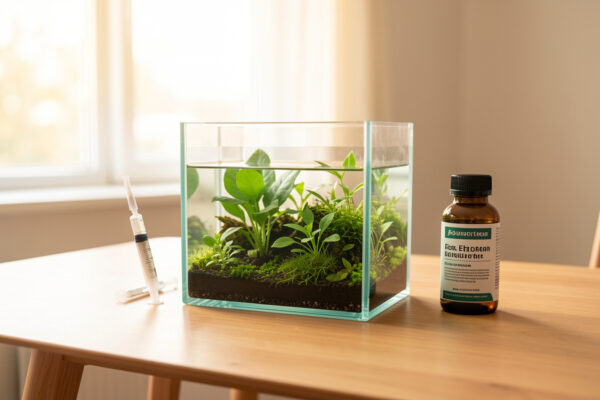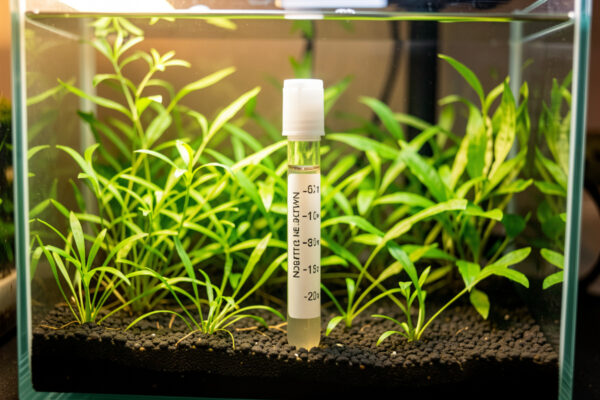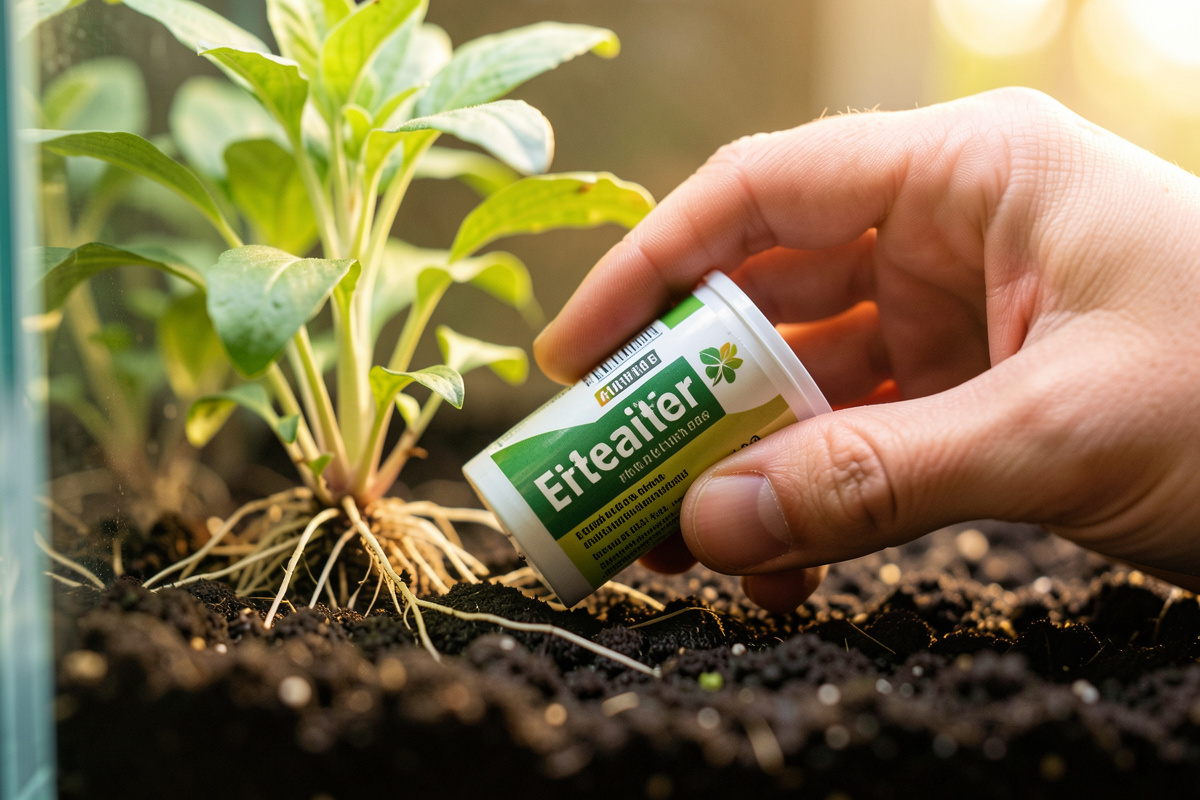
Root tabs are slow-release fertilizer capsules you bury in the substrate to feed root-hungry plants from below. Push one 1–2 inches deep, within a couple of centimeters of the plant’s base, and replace it roughly every three months. Placed right, one tab can carry a heavy root-feeder like a sword or crypt through a full season.
Most of the root tabs sold every year do nothing useful, and it isn’t the product’s fault. They get pushed under stem plants that feed from the water column, dropped so shallow they dissolve straight into the tank and feed algae, or replaced on a calendar nobody actually tracks. A root tab is a targeted tool. Use it on the wrong plant or at the wrong depth and you’ve buried money in gravel.
The whole trick is knowing which plants eat through their roots, how deep the food has to sit, and when it’s spent.
What Do Root Tabs Actually Do?
They deliver nutrients — nitrogen, phosphorus, potassium, iron, and trace elements — directly into the root zone as a slow-dissolving reservoir, instead of into the open water like a liquid fertilizer. That matters because some aquatic plants take up most of their food through their roots, and a nutrient sitting in the water column does them little good while it feeds algae. A tab puts the food where those plants can reach it and keeps it locked in the substrate where algae can’t.
The split between root feeding and leaf (foliar) feeding is real botany, not marketing. Terrestrial horticulture has mapped it for decades — the Royal Horticultural Society plant-nutrition material describes how heavy root systems draw the bulk of their minerals from the soil, and rooted aquatic plants behave the same way. My hydroponics years drilled the same lesson in reverse: a plant grown with bare roots in solution is entirely foliar-fed, and it taught me to always ask where a given plant actually eats before I decide how to feed it. Liquid ferts and root tabs aren’t competitors; they feed different plants. The nano tank fertilizer and dosing guide covers how the two fit into one schedule.
Which Plants Actually Need Root Tabs?
Heavy root-feeders: crypts, Amazon swords, vallisneria, and other plants that grow from a substantial root system or rhizome anchored in the substrate. Column-feeders — stem plants, mosses, and epiphytes like Anubias and Bucephalandra — get most of their food from the water and gain little from a tab. Here’s how I sort my own plant list:
| Plant type | Feeds mainly through | Root tabs? |
|---|---|---|
| Cryptocoryne | Roots | Yes — classic root-tab plant |
| Amazon sword | Roots | Yes — heavy feeder, place several |
| Vallisneria | Roots | Yes |
| Stem plants (Ludwigia, Rotala) | Water column | Optional; liquid ferts do more |
| Anubias / Bucephalandra | Water column (epiphyte) | No — roots don’t sit in substrate |
| Java fern / mosses | Water column | No |
The clearest tell is the rhizome. Anubias and Bucephalandra grow from a rhizome that must stay above the substrate — bury it and it rots — so their roots are anchors, not mouths. Wasting tabs on them is one of the most common beginner moves I see. If your tank is mostly epiphytes and stems, you may not need root tabs at all, which is exactly the case the root tabs vs liquid fertilizer comparison digs into.
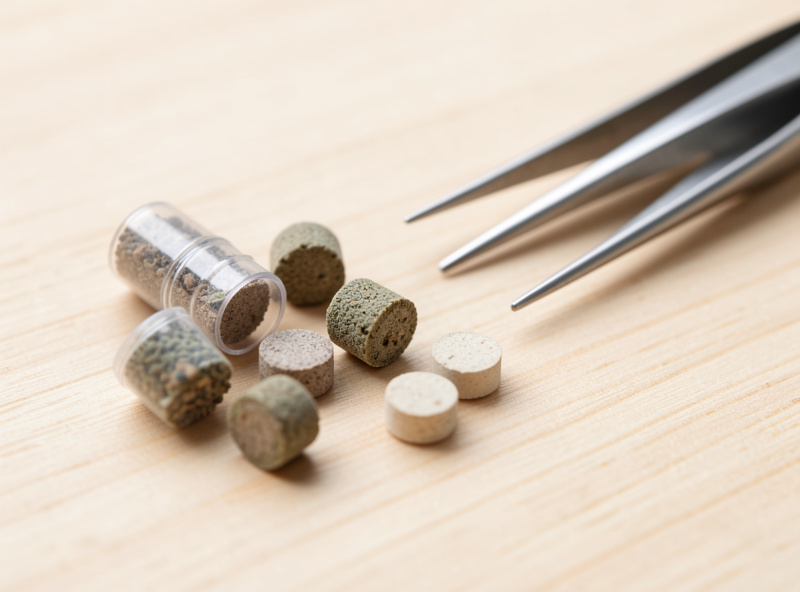
Whatever brand you run, the format matters more than the label. I keep a jar of planted-tank root tabs on the shelf and prefer the gel-cap style over the pressed-clay tablets — the capsule holds together on the way down and releases lower and slower, which is the whole point. The pressed tablets tend to crumble if you fumble the placement, and a crumbled tab is a water-column tab.
As an Amazon Associate I earn from qualifying purchases.
How Deep and Where Do I Place a Root Tab?
Deep and close. I aim for 1–2 inches (roughly 3–5 cm) down into the substrate and within a couple of centimeters of the plant’s root mass, using long aquascaping tweezers so I’m not plunging my whole arm into a scaped tank. Depth is what keeps the nutrients in the substrate instead of leaching straight up into the water where algae is waiting.
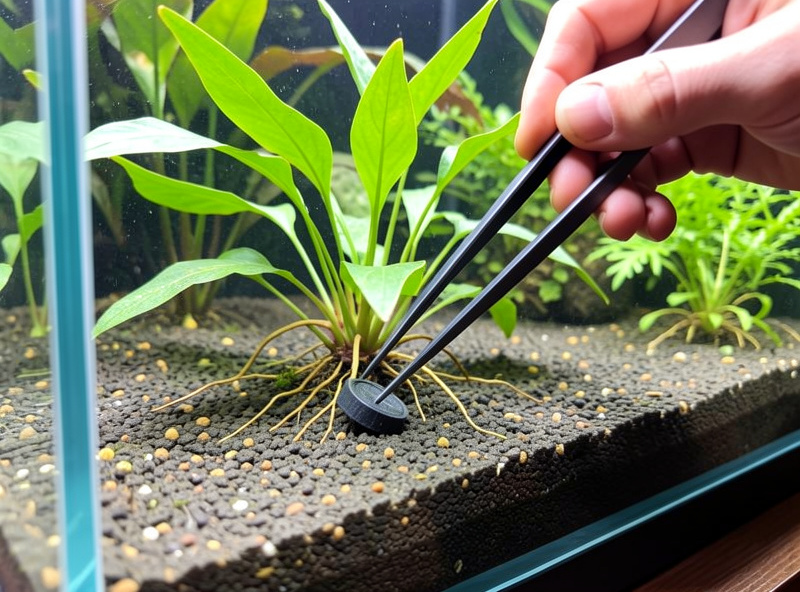
My method on the 60-liter: grip the capsule in the tweezers, drive it in at a slight angle a few centimeters from the stem, push to the depth of the substrate, and then gently firm the substrate back over the hole. If a little cloud puffs up, I’ve either gone too shallow or disturbed the cap — I pause, let it settle, and cover it properly. On a big sword I’ll place two or three tabs in a ring around the root ball rather than one giant dose in the center, because the roots spread wide and I want the food spread with them. Space them out; a single tab under a plant that has colonized a quarter of the tank is a token gesture.
How Often Should I Replace Root Tabs?
Every three months is my default, adjusted by how the plants read. Most tabs are largely spent by the 8–12 week mark, and rather than trust the calendar alone I watch the root-feeders: when a crypt that was cruising starts throwing smaller, paler new leaves, that’s my replace signal regardless of the date. I log placement dates in the same parameter notebook as everything else, so “when did I last tab the left corner” is never a guess.
When I replace, I place the new tab a few centimeters away from the old spot, not on top of it — the old capsule shell and any residue can linger, and I’d rather feed fresh substrate. There’s no need to dig the old one out; it’s inert by then. The discipline of logging the date is the same test-don’t-guess habit I brought over from running nutrient reservoirs, and it’s the difference between feeding on a schedule and feeding on a hunch. The broader rhythm of substrate versus water-column maintenance sits in the planted tank substrate guide.
Do Root Tabs Work in Inert Substrate vs Aquasoil?
Root tabs earn their keep most in inert substrate — plain gravel or sand that holds no nutrients of its own. That’s the setup where a rooted plant would otherwise starve at the roots, and a tab is doing all the work. In fresh aquasoil, which comes pre-loaded with nutrients, root tabs are often redundant for the first several months because the substrate itself is feeding the roots.
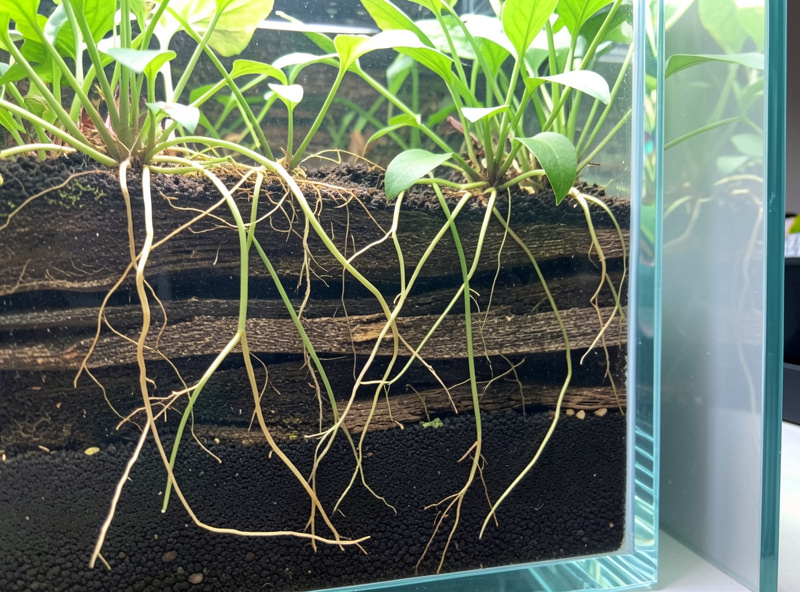
The cross-section above is why placement depth matters: the roots thread deep, and the food needs to meet them there. As aquasoil ages — usually past the one-year mark — its nutrient charge fades and root tabs become worth adding again for the heavy feeders. So the honest answer is that root tabs are a tool for a specific situation: inert substrate always, aged aquasoil eventually, fresh aquasoil rarely. Matching the tool to the substrate is the same principle as matching it to the plant.
The Root Tab Mistake I Made
I clouded a shrimp tank green with a single careless tab. I was in a hurry, pushed a pressed-clay tablet in too shallow under a crypt, and it slumped apart near the surface of the substrate. Within days I had a nutrient plume feeding a green-water bloom, in the one tank — my Neocaridina colony — where I least wanted to be running experiments. The shrimp were fine, but the tank looked like pea soup for a week and I had to blackout and water-change my way out of it.
The lesson was blunt: a root tab is only a substrate fertilizer if it stays in the substrate. Go deep, firm the cap back over, and if you disturb one, fix it immediately rather than hoping. Since then I switched to gel-caps for exactly this reason and I place with tweezers every time, even in the open corners where I could reach by hand. The green-water week was cheaper than a lost colony would have been, but it was still a week I’d rather have skipped.
What I’d do starting today: skip tabs entirely if your tank is stems and epiphytes on fresh aquasoil, and if you’re running crypts or swords in plain gravel, place a gel-cap deep beside each root ball, log the date, and plan to refresh in about three months. Feed the roots that actually eat, and put the food where they can reach it.
How deep should I bury a root tab?
About 1 to 2 inches, or roughly 3 to 5 cm, into the substrate and within a couple of centimeters of the plant’s root mass. Depth keeps the nutrients locked in the substrate where root-feeding plants can reach them, instead of leaching up into the water column where they feed algae. Use long tweezers and firm the substrate back over the tab.
How often do you replace aquarium root tabs?
Roughly every three months as a default. Most tabs are largely spent by the 8 to 12 week mark. Rather than trust the calendar alone, watch the root-feeding plants: smaller or paler new leaves on a crypt or sword that was previously thriving is a reliable signal to place a fresh tab.
Which plants need root tabs?
Heavy root-feeders like cryptocoryne, Amazon swords, and vallisneria benefit most because they draw the bulk of their nutrients through their roots. Stem plants, mosses, and epiphytes such as Anubias and Bucephalandra feed mainly from the water column and gain little from a root tab.
Do I need root tabs with aquasoil?
Usually not at first. Fresh aquasoil comes pre-loaded with nutrients and feeds roots for several months on its own. Root tabs become worth adding again once the soil ages and its nutrient charge fades, typically past the one-year mark, especially for heavy root-feeders.
Can root tabs cause algae?
They can if placed too shallow or if the capsule breaks apart near the substrate surface, releasing a plume of nutrients into the water column. Buried deep and firmed over, the nutrients stay in the substrate and do not feed algae. A crumbled or shallow tab is effectively a water-column dose.
Should I remove old root tabs before adding new ones?
No need. By replacement time the old capsule is inert. Place the new tab a few centimeters away from the old spot rather than on top of it, so the fresh nutrients reach substrate the plant has not already drawn down. Digging out the old shell disturbs roots for no benefit.