A nano tank fertilizer dosing guide comes down to one idea: in small water, the dose is tiny and the margin for error is smaller still. A 20-litre tank holds so little water that a “capful” meant for a 200-litre aquarium is a tenfold overdose. Dose by volume, read the tank with a test kit, and let nitrate be your dial.
I came to aquariums through years of hydroponics, where you measure your nutrient solution daily because guessing kills plants instead of fish. The aquarium is the same chemistry with inhabitants. Everything below is how I actually run fertilizer across four small systems — a low-tech ~20L planted nano, a high-tech ~60L rimless with pressurised CO2, a Neocaridina shrimp tank, and a spare bench — with a parameter log going back years. The theme never changes: test, don’t guess, whatever is living in the water.
Why Nano Tanks Rewrite the Dosing Math
Small volume means fast swings. Fertilizer concentration is dose divided by water volume, so the same squirt lands at wildly different strengths in a 10L pico versus a 60L rimless. In my parameter log, the low-tech nano can move several ppm of nitrate on a single mis-measured cap, where my 60L barely flinches. That is the whole story of small-water dosing.
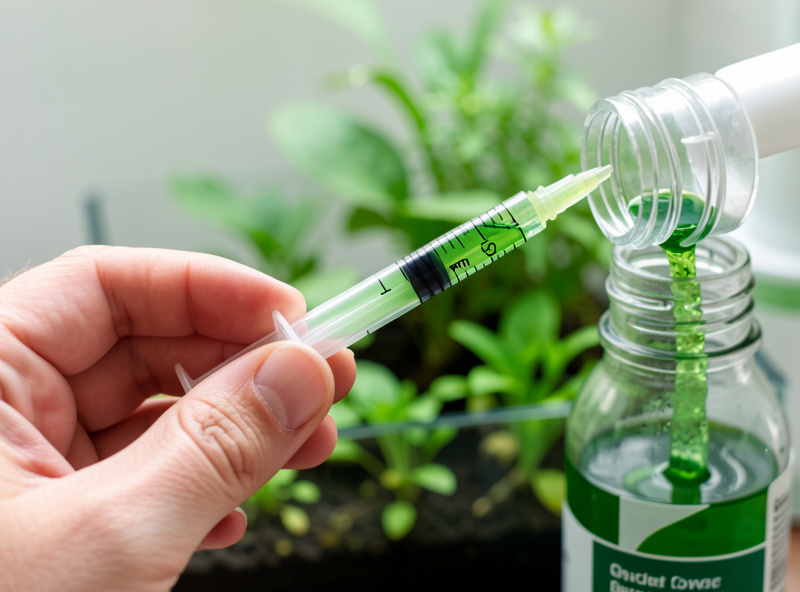
The label on nearly every liquid fertilizer is written for tanks five to ten times larger than a nano. “1 pump per 40 litres” is not a rounding error you can ignore when your tank is 18 litres of actual water after substrate and hardscape displacement. The fix is not a special nano fertilizer — it is measuring the real water volume once, then dosing with a syringe or by counting drops instead of splashing from the cap. This is the same discipline that makes nano tank stability possible at all; the tank that swings least is the one where every input is measured.
There is a reason I keep repeating that small aquariums are harder, not easier. Fertilizer is the clearest example: the beginner buys the small tank because it looks forgiving, then doses it like a big one and wonders why algae arrived within a fortnight.
The Only Three Things Your Plants Need From You
Aquarium plants need light, carbon, and nutrients — and fertilizer only covers the last of those three. Nutrients split into macros (nitrogen, phosphorus, potassium) and micros (iron and the trace metals). A planted nano fails far more often from a light-and-carbon mismatch than from a missing bottle, so fix those first.
Macros — NPK. Nitrogen (dosed as nitrate, NO₃), phosphorus (as phosphate, PO₄), and potassium (K) are the bulk nutrients plants consume in quantity. In a stocked nano, fish waste supplies a surprising amount of nitrogen and phosphorus already, which is exactly why lightly stocked or unstocked scapes are the ones that go nitrate-deficient. If you want the deep version of that failure mode, I wrote it up in nitrate too low in a planted tank.
Micros — iron and traces. Iron, manganese, boron, zinc, copper, molybdenum: needed in tiny amounts, chelated in the bottle so they stay available in your water. Micros are where all-in-one fertilizers earn their keep, because mixing traces by hand is fiddly at nano scale.
Carbon. Carbon is not a nutrient you buy in the fert bottle — plants pull it from dissolved CO₂. In a low-tech nano that comes from fish respiration and the atmosphere; in my 60L it comes from a pressurised cylinder. So-called liquid carbon is a separate product with real limits I cover on its own page. The point here: no amount of fertilizer compensates for a carbon or light shortfall.
Read the Water Before You Dose a Drop
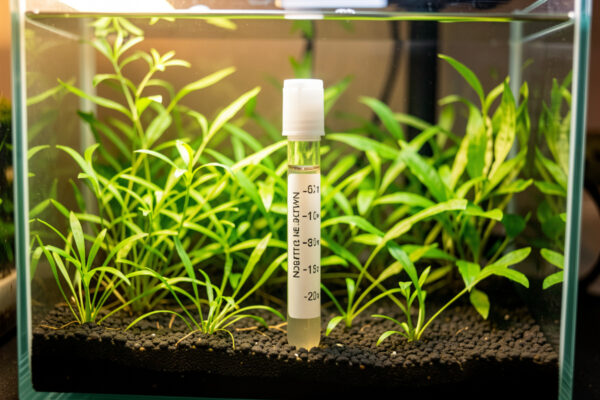
The single most useful instrument in planted keeping is a liquid nitrate test, not another bottle of fertilizer. Nitrate is the dial that tells you whether your plants are fed or starved: a planted nano cruising around 10–20 ppm nitrate is fed; one reading a flat 0 ppm week after week is starving no matter how green the water looks. I keep a liquid master test kit on the shelf for exactly this.
As an Amazon Associate I earn from qualifying purchases.
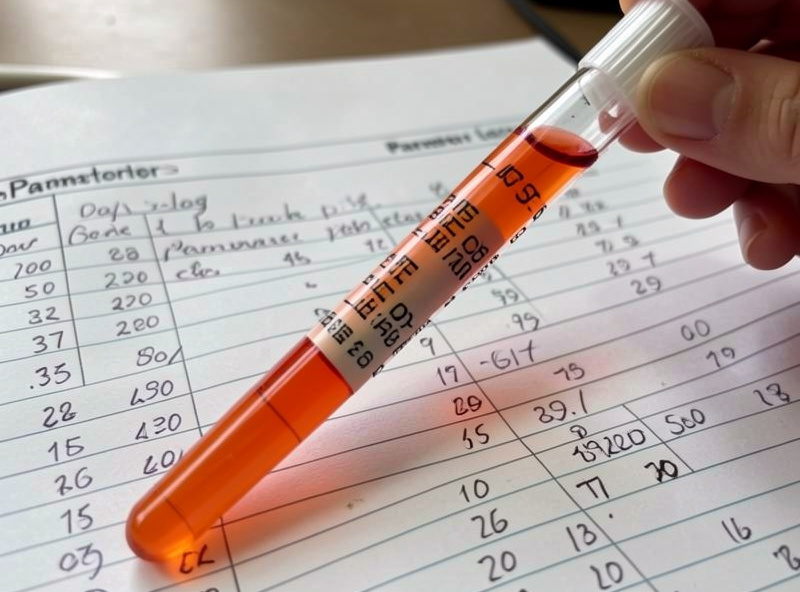
My routine is boring on purpose: test nitrate weekly, log it, and let the trend — not a single reading — drive the dose. If nitrate climbs, I ease off or bump water changes; if it falls toward zero, I raise the dose. This is the parameter-log method straight out of my hydroponics years, and it is why my tanks drift instead of crash. The same TDS pen that once read my nutrient reservoirs now lives in the aquarium drawer; if you want the water-chemistry crossover, my KH, GH and TDS explainer covers the meters in depth.
Two numbers matter beyond nitrate. TDS tells you the total dissolved load, so you can see fertilizer and minerals accumulating between water changes. And your water change cadence is the reset button — the thing that stops any dosing method from spiralling. Nitrate itself only exists because your nitrogen cycle is running; a tank that is not cycled has no business being dosed.
The Dosing Methods, Compared
There are three dosing philosophies worth knowing, and the right one for a nano depends on your light and CO₂, not on which brand you like. High light plus pressurised CO₂ wants generous nutrients; low light and no CO₂ wants a light hand. Matching the dose to the growth rate is the entire game.
Estimative Index (EI) deliberately over-doses so nutrients are never the limiting factor, then resets the excess with a large weekly water change. It suits high-tech tanks. On a nano it must be scaled down hard — I walk through the safe way in EI dosing on a nano tank.
Lean / all-in-one dosing gives a modest daily or every-other-day dose from a single bottle and leans on the fish for part of the load. This is what most planted nanos should run, and it is the method behind my low-tech reference tank.
Rich substrate dosing feeds through the roots with root tabs and a nutrient substrate, adding water-column ferts only as a top-up. Heavy root feeders such as swords and crypts love this.
| Method | Best for | Water changes | Effort | Overdose risk in a nano |
|---|---|---|---|---|
| Estimative Index (EI) | High light + pressurised CO₂ | Large weekly (~50%) | Higher | High if not scaled down |
| Lean / all-in-one liquid | Low-to-medium light nanos | Weekly ~30–40% | Low | Low with a syringe |
| Rich substrate + root tabs | Root feeders, low-tech scapes | Weekly ~30% | Low | Low (slow release) |
| No dosing (walstad-style) | Heavily planted, lightly stocked | Minimal | Lowest | Very low |
Notice what the table does not say: it never claims a method is “best.” The best method is the one that matches your light, your carbon, and how much you enjoy maintenance. My 60L runs a scaled EI-ish schedule because it is high-tech; my 20L runs lean all-in-one because it should.
All-in-One vs Separate Salts
An all-in-one liquid puts macros and micros in one bottle; separate dosing means buying dry salts (potassium nitrate, monopotassium phosphate, a trace mix) and mixing your own. For almost every nano, all-in-one wins on convenience and safety, because the doses are so small that weighing dry salts to the tenth of a gram is impractical. Separate salts only start to pay off on larger, high-demand tanks where bulk cost matters.
I run all-in-one on three of my four tanks and keep dry salts only for the high-tech 60L, where I want to push nitrate independently of phosphate during a growth phase. If you are weighing the choice, I laid out the trade-offs in all-in-one vs separate fertilizers, and the bottles I actually reach for are in the all-in-one liquids I use. A good all-in-one aquarium fertilizer is the single best first purchase for a planted nano.
Water Column vs Roots: Who Eats Where
Plants take nutrients through leaves and roots both, but they lean one way. Stem plants and epiphytes such as Anubias and Bucephalandra are water-column feeders that respond to liquid ferts; heavy root feeders such as crypts and swords pull most of their nutrition from the substrate. Match the delivery to the plant and you waste nothing.
That is why a nutrient substrate plus root tabs is such a low-effort system for a low-tech scape — the food sits where the roots are and releases slowly, so there is little in the water column for algae to steal. My low-tech nano ran for over a year on nothing but an active substrate and the occasional root tab before I added any liquid at all. For the placement-and-replacement detail, see how to place and replace root tabs.
Liquid Carbon: Useful, Oversold, and Not CO₂
Liquid carbon (glutaraldehyde-based products) is marketed as a CO₂ substitute. It is not. It provides a small, uncertain amount of usable carbon and works far better as a targeted algaecide — spot-dosed on black beard algae, it turns the tuft pink and kills it. It will not turn a low-light tank into a carpet machine, and it is toxic to some plants (notably Vallisneria) and must be dosed carefully around shrimp. I use it as a tool, not a strategy; the honest breakdown is in liquid carbon in a nano tank. If you actually want more carbon, add real CO₂ — my nano CO₂ guide and the low-tech vs high-tech comparison cover that properly.
Can You Overdose? The Algae Truth
Yes, you can overdose fertilizer — but algae is almost never caused by “too many nutrients” alone. Algae is a symptom of imbalance: excess light for the available CO₂, unstable CO₂, or a maturity problem in a young tank. Dumping fertilizer into a low-light nano will not directly bloom algae the way folklore claims; the real risk of overdosing at nano scale is ammonia-adjacent stress to livestock from a huge single dose, and nutrient accumulation that shifts the balance.
The nuance matters because the reflex fix — slashing fertilizer when algae appears — often makes it worse by starving the plants that would otherwise out-compete the algae. I have watched a nano’s green spot algae improve after I raised phosphate, which is the opposite of what the bottle-aisle advice predicts. Diagnose by cause, using the framework in the nano tank algae guide and the full risk picture in can you overdose aquarium fertilizer.
My Nano Dosing Routine, Step by Step
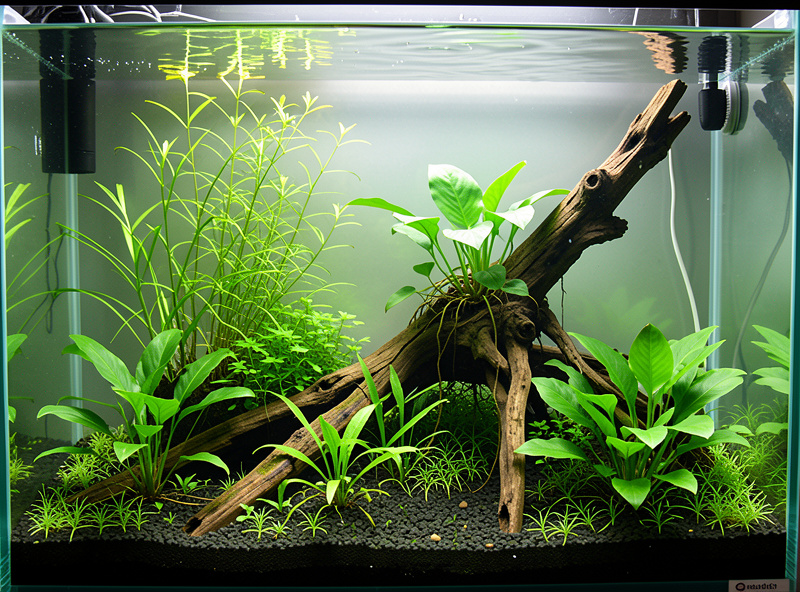
Here is the actual loop I run on the low-tech 20L, written so you can copy it. It takes about five minutes a week plus a ten-second daily dose, and it has kept that tank stable for years without an algae war.
1. Measure the real volume once. Fill the tank as it runs, subtract substrate and hardscape, and write the number on the log. Mine is 18L, not the 20L on the box.
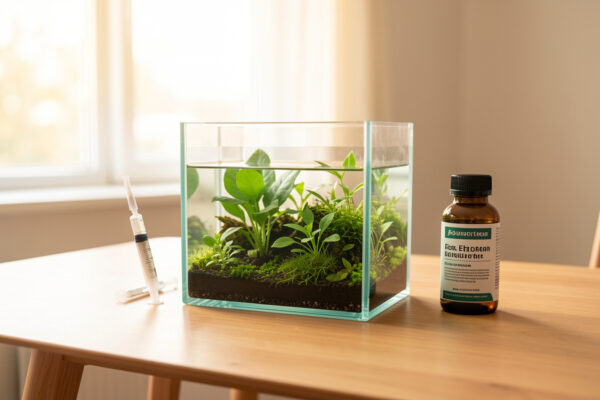
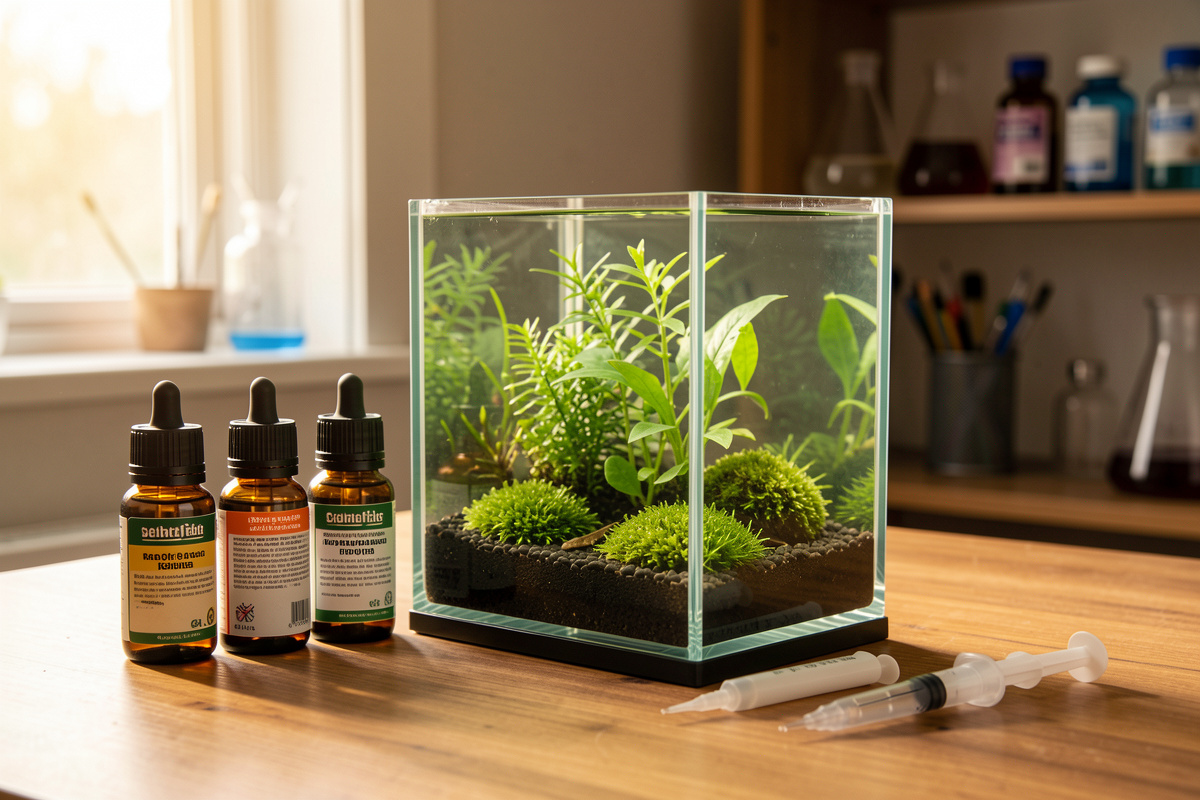
2. Dose with a syringe, not the cap. Convert the label dose to your real volume and pull it with a 1 ml syringe. At nano scale the difference between 0.5 ml and a “small squirt” is the difference between fed and overdosed.
3. Test nitrate weekly and log it. Aim for a 10–20 ppm band on a planted nano. Falling toward zero → raise the dose; climbing past 30 → ease off or change more water.
4. Change water on a fixed cadence. A matched ~30–40% weekly change resets accumulation and keeps parameter swings small. This is the safety net under every dosing method.
5. Read the plants. New growth pale and yellow between the veins? That is a deficiency signal, not a call to panic-dose everything. Learn to read the leaves instead of guessing, and adjust one variable at a time.
One variable at a time is the whole method. When you change the dose, the light, and the water-change schedule all at once, you learn nothing when it improves or crashes. Isolate the change, log the result, repeat. That is how a nano becomes boringly stable instead of a weekly emergency.
Daily, Weekly, or Reset: How Often to Dose
Frequency matters as much as amount, because small water swings hardest between doses. Splitting the weekly total into small daily doses keeps nutrient levels flat instead of spiking on dose day and sagging by the weekend — and flat is exactly what a stable nano wants. On my low-tech 20L I dose a tiny amount most days rather than one big weekly hit, and the tank thanks me for it with steadier growth and less algae opportunity.
The exception is the EI-style reset. Tanks running rich schedules deliberately let nutrients build through the week, then wipe the slate with a large water change so nothing accumulates to a harmful level. That works because the big water change is the safety valve; skip it and the method stops being safe. So the honest rule is: dose little and often on a lean tank, or dose richer and reset hard on a high-tech tank — but never dose richer without the reset. Whichever cadence you pick, write the dose and the nitrate reading in a log so the next month’s decision is based on your tank’s real trend rather than a guess. A nano rewards routine more than any other tank size I keep.
Five Nano Dosing Mistakes I Still See
Most nano fertilizer problems are not exotic. They are the same handful of errors repeated, and every one of them is visible in a parameter log if you keep one. Here are the five that fill my inbox and that I have made myself at some point.
1. Dosing from the cap. The cap on a fertilizer bottle is a big-tank measure. Tip it into a nano and you have dosed several times the intended amount before you noticed. A cheap 1 ml syringe fixes this permanently and costs less than a single bottle.
2. Dosing an uncycled tank. Fertilizer does nothing useful in a tank that has not finished its cycle, and the extra nutrients can feed the very algae that colonises new glass. Get the double-zero on ammonia and nitrite first — the cycle is non-negotiable physics, not a patience test.
3. Cutting ferts the instant algae appears. The reflex is to starve the tank. The result is usually worse, because you starve the plants that would out-compete the algae while the algae, which needs almost nothing, carries on. Stabilise nutrients, fix the light-and-carbon balance, and be patient.
4. Ignoring the light ceiling. A dim tank cannot consume an EI dose no matter how faithfully you pour it. The excess simply accumulates until it shifts the balance. Fertilizer follows light, not the other way round.
5. Changing three things at once. New dose, new light schedule, new water-change routine, all in the same week. When it improves or crashes you have learned nothing. One variable, logged, then the next.
RO Water, Dry Salts, and the Chemistry Crossover
If you keep sensitive livestock on RO water, fertilizer becomes part of a wider mineral budget rather than a standalone bottle. On my Neocaridina tank I start from RO, remineralize to a target GH, and only then think about plant nutrients — because the shrimp care about GH and TDS first, and the plants come second. Watching the TDS pen climb between water changes tells me how much fertilizer and mineral load is accumulating, which is the same reservoir-management instinct I built running hydroponic nutrient solutions for years. The meters do not care whether the roots have fins.
Dry salts enter the picture only when a tank is large and hungry enough to justify them. Potassium nitrate for nitrogen and potassium, monopotassium phosphate for phosphate, and a chelated trace mix let you dial each nutrient independently — useful on my high-tech 60L during an aggressive growth phase, pointless on an 18L that a single all-in-one bottle covers for a year. If you are curious about mixing your own, weigh in grams on a jeweller’s scale and dose from a stock solution; never eyeball dry salts into small water, where a stray tenth of a gram is a meaningful dose.
Matching Fertilizer to Light and Livestock
Two last constraints. First, light sets the ceiling on how much fertilizer a tank can use — a dim tank simply cannot consume an EI dose, so the excess just accumulates. Second, if you keep shrimp, dosing changes. My Neocaridina colony tolerates normal planted dosing, but copper in trace mixes is the classic worry, and any big single overdose stresses a colony faster than it stresses fish. I dose leaner where shrimp live and never chase a high-tech schedule in a colony tank. When in doubt on a shrimp tank, feed the substrate and go light on the water column.
Frequently Asked Questions
Do I need to fertilize a nano tank at all?
It depends on plants, light and stocking. A heavily planted, lightly stocked nano with active substrate may need almost nothing at first, while a lit tank with hungry stems will go nitrate-deficient without dosing. Test nitrate weekly and dose only when the numbers or the leaves say to.
How much liquid fertilizer does a 20 litre nano actually need?
Far less than the bottle implies, because labels are written for tanks five to ten times larger. Measure your real water volume, convert the per-litre label dose, and pull it with a 1 ml syringe. A small planted nano often needs well under a millilitre per dose.
Which is better, all-in-one or separate fertilizer salts?
For nearly every nano, all-in-one liquid wins. The doses are so small that weighing dry salts accurately is impractical, and one bottle covers macros and micros. Separate salts only pay off on larger high-demand tanks where you want independent control or bulk savings.
Will more fertilizer cause algae in my nano tank?
Rarely on its own. Algae is a symptom of imbalance between light and carbon, or of an immature tank, not simply of nutrients. Slashing fertilizer when algae appears often backfires by starving the plants. Diagnose algae by cause and keep nutrients stable rather than swinging them.
Is liquid carbon a substitute for CO2 in a nano?
No. Glutaraldehyde-based liquid carbon supplies only a small, uncertain amount of usable carbon and works better as a spot-treatment algaecide. It will not turn a low-light tank into a carpet, and it can harm sensitive plants like Vallisneria. For real carbon, add pressurised or DIY CO2.
How do I dose fertilizer safely in a shrimp tank?
Dose leaner and lean on the substrate. Standard planted liquids are generally fine for Neocaridina at normal rates, but copper in trace mixes is the classic concern and any large single overdose stresses a colony fast. Favour root tabs and modest water-column dosing where shrimp live.
Related Guides in This Cluster
- EI Dosing on a Nano Tank: Scaling It Down Safely
- All-in-One vs Separate Fertilizers: Which to Run
- Best All-in-One Liquid Fertilizers I Actually Use
- Nitrate Too Low in a Planted Tank: Reading the Deficiency
- Plant Nutrient Deficiencies: Reading the Leaves, Not Guessing
- Root Tabs: How to Place and How Often to Replace
- Liquid Carbon in a Nano Tank: What It Does and Does Not Do
- Can You Overdose Aquarium Fertilizer? The Algae Risk
- Do Low-Tech Tanks Need Fertiliser? Root Tabs vs Liquid