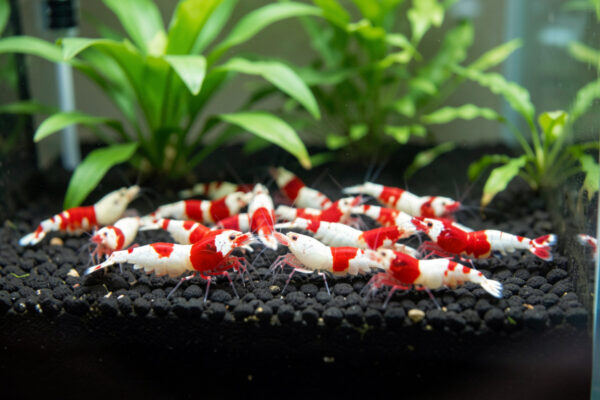
Culling a cherry shrimp colony is the selective-breeding practice of removing off-color individuals so the line holds its grade instead of drifting back toward wild-type brown. In hobby practice, “culling” almost never means killing — it means separating the lower-grade shrimp into another tank, selling them, or rehoming them, and breeding only from the deepest, most opaque color. Done right, it keeps a Painted Fire Red line vivid generation after generation.
I run a single Fire Red line in my colony tank and a separate Blue Dream line in another, and the reason I can keep both crisp is exactly this: I select what breeds. Let a colony reproduce unselected and the color washes out within a few generations, because the wild type is genetically dominant. This guide explains why that happens and how to manage it without losing the ethical-keeper thread — culling cherry shrimp colony genetics is a husbandry skill, not a cruelty. It is the management layer on top of my Neocaridina shrimp care guide.
Why Does Cherry Shrimp Color Fade Over Generations?
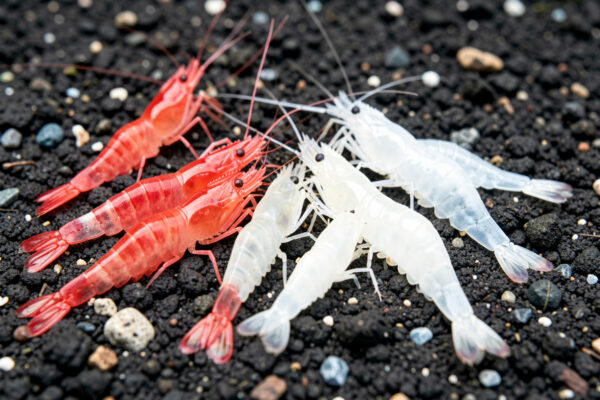
Cherry shrimp color fades over generations because the wild-type coloration — a drab brown-clear — is genetically dominant, while the vivid red of selectively-bred lines is the result of fixing recessive traits. Left to breed freely, a colony regresses toward wild-type within a few generations as the dominant genes reassert. Color is a thing you maintain, not a thing you set once.
This catches new keepers off guard: they buy a tank of stunning Painted Fire Reds, let them breed, and a year later half the colony is pale and patchy. Nothing went wrong with their water — it is pure genetics. The high grades exist only because breeders culled hard for many generations to fix the color, and that fixation is fragile. The moment you stop selecting, the average drifts down. Environment plays a supporting role too: a dark substrate, good diet, and stable water all deepen the red you actually see, while a bright bare tank and stress wash it out. But environment only affects expression — the underlying genetic drift is what culling addresses.
How Do You Cull a Shrimp Colony Ethically?
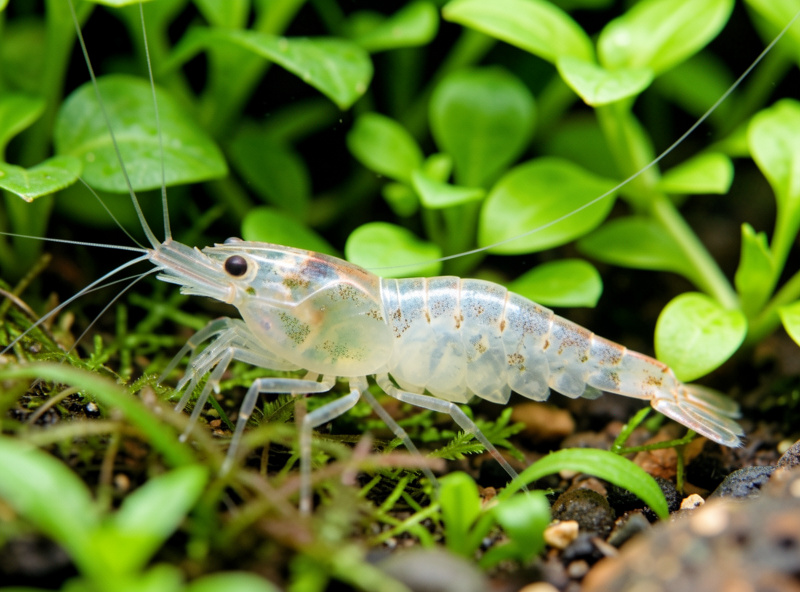
You cull ethically by separating, not destroying. Set up a second grow-out tank and move the lower-grade shrimp there to live out healthy lives, or sell and rehome them to keepers who are happy to have them. Breed only from your best-colored, most opaque individuals in the main tank. No shrimp needs to die for you to maintain a line.
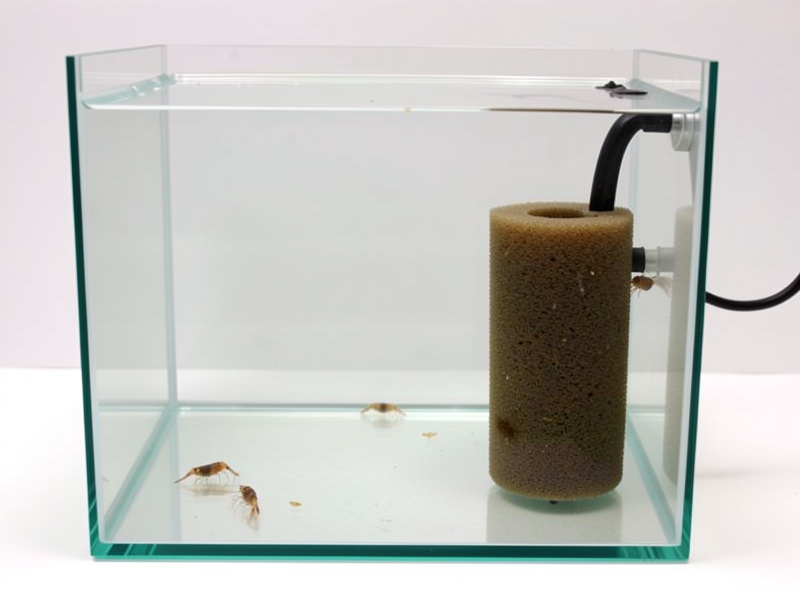
The practical method is simple. As shrimplets grow out and their color becomes readable (around 2-3 months), you periodically net the weaker-colored ones — the pale, the patchy, the clear — and relocate them. Those shrimp are perfectly healthy; they just are not breeding stock for a high-grade line, and plenty of keepers happily take “cull-grade” cherries for a community tank or a starter colony. A simple bare-bottom grow-out tank with a sponge filter is all the second setup needs. I keep one running for exactly this, plus it doubles as a quarantine and overflow tank. A spare sponge filter and any small tank turns into a grow-out in an afternoon. The ethical line for me is absolute: management means relocation, never the freezer-and-trash approach some forums casually suggest. These are animals in my care.
As an Amazon Associate I earn from qualifying purchases.
Should You Mix Different Cherry Shrimp Colors?
No — never mix different Neocaridina color morphs in a breeding tank. Reds, blues, yellows, and oranges are all the same species and will interbreed freely, and their offspring revert to muddy wild-type brown within a generation or two. To keep any color line vivid, keep it pure and physically separated from other morphs.
This is the single most common way hobbyists accidentally destroy a beautiful colony: they think a “rainbow” tank of mixed colors sounds gorgeous, add reds and blues together, and within months have a tank of brownish nondescript shrimp. Because they are one species, there is no hybrid vigor or interesting pattern — just regression to the dominant wild-type. This is exactly why I keep my Fire Red and Blue Dream lines in completely separate tanks and never let the two meet. If you want multiple colors, you want multiple tanks. There is no shortcut here, and no remineralizer or food fixes it once the lines have crossed — the only fix is starting over with pure stock. Pick one line per tank and protect it.
It is worth understanding why the regression is so fast and so total. Each color morph is a different set of selected mutations stacked on the same wild-type genome, so crossing a red with a blue does not blend toward purple — it scrambles both sets of carefully-fixed traits and lets the dominant wild-type expression win out. The first generation might still look mostly colored because the parents’ traits carry through, but by the second and third generations the percentage of clear, drab offspring climbs sharply. By the time you notice the tank looking dull, the genetic damage is several generations deep and irreversible within that colony. Prevention is the only strategy: never let two morphs share water.
How Do You Tell Which Shrimp to Keep?
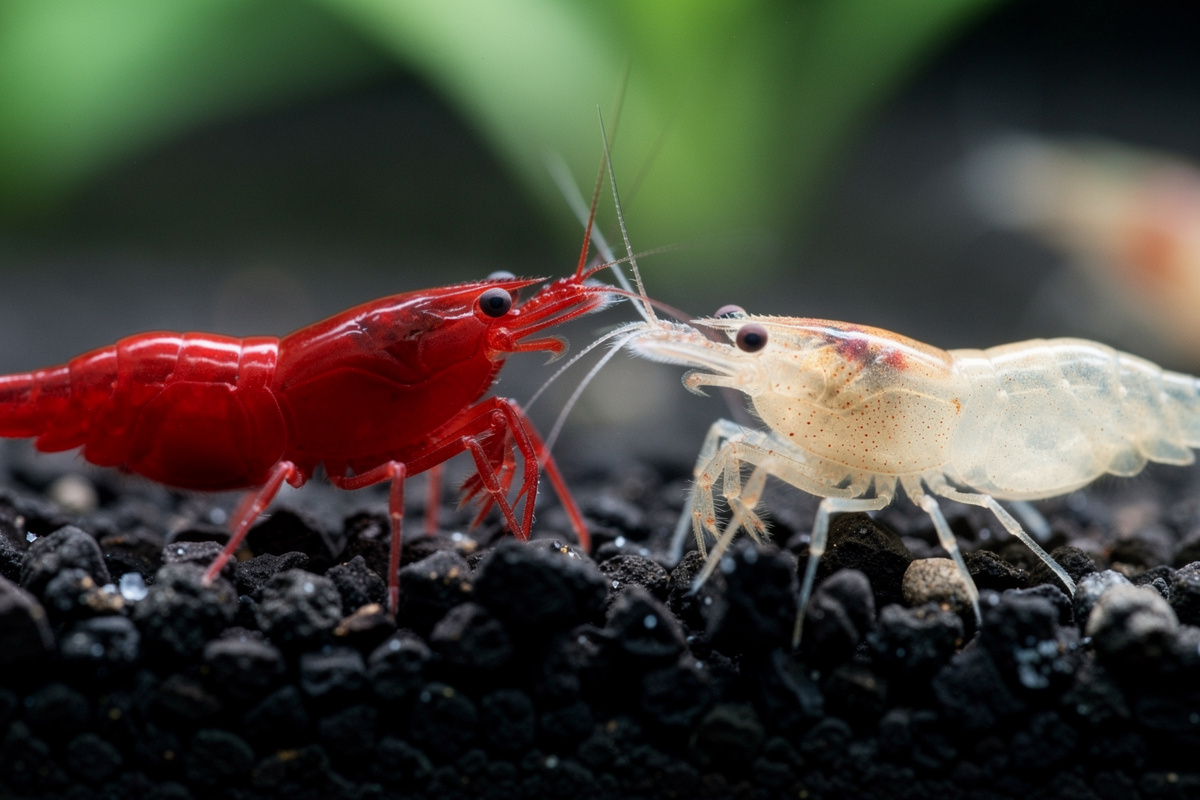
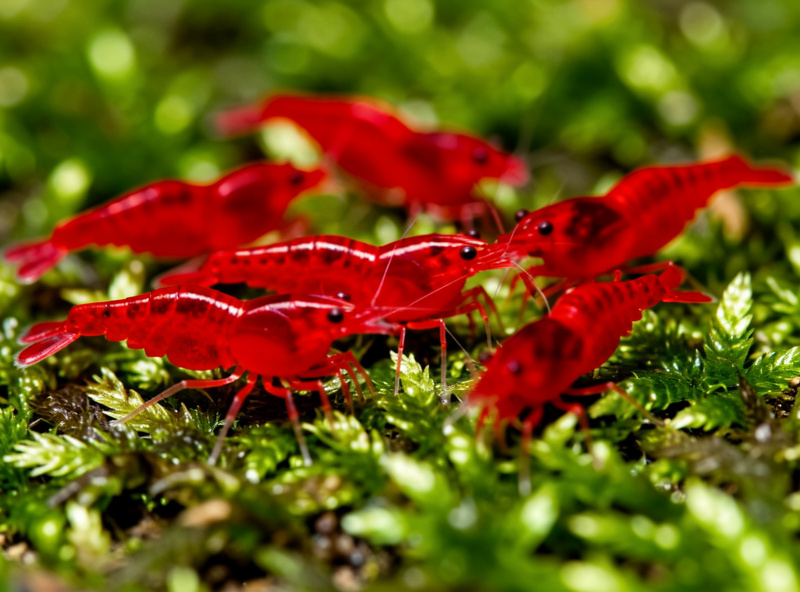
You select breeding stock by reading three things on each grow-out shrimp: color depth, color coverage, and opacity. The keepers are the deepest, most uniformly colored, most opaque individuals — a Painted Fire Red should be solid red from rostrum to tail with no clear patches, even on the legs and face. Everything paler or patchier is grow-out grade.
Color only becomes readable as shrimp mature, so I do my selecting at around 2-3 months when a juvenile’s adult coloration has come in. Hold a clear container against a white background and the differences jump out — what looked uniform in the tank reveals its gradations. Opacity is the trait most people miss: a high-grade cherry’s red is solid and paint-like, not translucent, and that opacity is exactly what fades first when a line drifts. Coverage is next: clear patches on the tail fan or legs mark a shrimp down a grade. I keep a mental (and sometimes logged) tier for each batch and move accordingly. There is also a sexing element to serious selection — females show the deeper, more consistent color and are the ones whose genetics you are most protecting, so a grade-holding program watches the females especially closely. None of this requires special equipment beyond a steady eye and good light; it is pattern recognition that sharpens fast once you start really looking.
One honest caveat: even rigorous culling cannot improve genetics that were not there to begin with. If you start with a mediocre, already-mixed colony, the best culling can do is slow the slide, not manufacture a high grade from nothing. Serious line work starts with quality stock from a reputable source and then maintains it. That is why I bought my Fire Red and Blue Dream lines as proper graded stock rather than bargain mixed cherries — you cannot cull your way up from muddy founders, you can only cull to hold what good founders gave you.
How Often Should You Cull a Cherry Shrimp Colony?
For a casual keeper who just wants pretty shrimp, occasional light culling — pulling the obvious wild-type reverts every few months — is enough to slow the drift. For anyone trying to hold or improve a high grade, culling needs to be consistent every generation, removing lower-color shrimp before they breed. The intensity matches your goal.
Be honest with yourself about which keeper you are. Most people, myself included on my “fun” tanks, do not run a strict breeding program — they enjoy the colony, do light culling to keep it from going fully drab, and accept some variation. That is completely valid keeping. A serious grade-holding program is real, ongoing work: reading color on every grow-out batch, separating before sexual maturity, and breeding only the top tier. If that sounds like a chore rather than a joy, do not feel obligated to do it — a happily-breeding colony of slightly-mixed-grade cherries is a wonderful tank. Match the effort to what you actually want from the hobby, and lean on the stability fundamentals in my nano tank stability guide and the breeding pace in my colony growth guide to keep the whole thing healthy either way. Color management is the optional advanced layer; a thriving colony is the foundation.
Related Guides
- Neocaridina Shrimp Care Guide — the complete hub for a thriving cherry shrimp colony.
- How Fast Do Cherry Shrimp Breed? — the colony growth that culling shapes.
- Keeping Shrimp With Fish — why predators undo a carefully culled line.
- Cherry Shrimp Water Parameters — the stable water that lets color fully express.