The RO waste water ratio is how many liters go down the drain for every liter of usable purified water your unit makes. A standard membrane runs about 4 to 1 — four wasted for one product — and that ratio lands directly on your water bill and your conscience. A permeate pump or a better membrane can pull it toward 1 to 1. For a fishroom doing regular water changes, this single number is the biggest lever on running cost.
I ignored this number when I bought my first unit, and my first metered water bill educated me fast. The waste ratio isn’t a footnote on the spec sheet — it’s the difference between RO being cheap water and expensive water over a year of a busy fishroom. And it’s widely misunderstood: keepers panic at “80% waste” without realizing that reject water is perfectly usable for other things, and that a cheap upgrade can halve it. Let’s put real numbers on it so you can decide what your unit is actually costing you.
This closes out the RO and water-source system, and it’s the number I wish I’d understood before I chose a unit for my fishroom — because whether a unit accepts a permeate pump is a buying decision, not an afterthought.
What Is the RO Waste Water Ratio?
Reverse osmosis works by pushing water against a membrane under pressure, and only some of it passes through as pure product — the rest carries the rejected dissolved solids away in a concentrate stream, the “waste” or “reject” water. The ratio expresses that split. A 4-to-1 ratio means for every liter of pure RO you collect, four liters flushed the membrane and went down the drain carrying the minerals the membrane removed.
That waste isn’t a defect — it’s how the membrane stays clean. If RO didn’t continuously flush the rejected solids away, they’d concentrate against the membrane surface and foul it fast. The reject stream is the membrane rinsing itself. So you can’t get to zero waste; some flushing is physically necessary to keep the membrane working and rejecting well. The question is never “how do I eliminate waste” but “how do I minimize it without wrecking the membrane’s performance.”
Ratios vary with your water pressure, temperature, and the membrane itself. Low household pressure makes the ratio worse — the membrane can’t push enough product through, so proportionally more goes to waste. Cold water (Sweden’s winters are relevant to me here) also slows product output and worsens the effective ratio, which is why my winter RO sessions run slower and waste a touch more than summer ones. If your ratio seems terrible, check your pressure before blaming the unit.
How Do Waste Ratios Compare in Real Numbers?
Here’s what different ratios mean in practice for a fishroom. Assume you need 40 liters of usable RO a week for water changes across a few tanks — a realistic nano fishroom number. The table shows how much total water you actually draw and roughly how that scales over a month.
| Waste Ratio | Waste per 1L Product | Total Water for 40L/week | Monthly Total Drawn |
| 4:1 (standard) | 4 liters | 200 liters | ~800 liters |
| 3:1 | 3 liters | 160 liters | ~640 liters |
| 2:1 (good membrane) | 2 liters | 120 liters | ~480 liters |
| 1:1 (permeate pump) | 1 liter | 80 liters | ~320 liters |
Look at the spread: a 4-to-1 unit draws 800 liters a month to make the same 160 usable liters that a 1-to-1 setup makes from 320. That’s 480 liters of water saved every month just from improving the ratio — on a metered supply, that adds up to a real line item over a year, and it’s water you’re paying to buy and often paying to drain. The membrane doing the same job, just wasting less.
How Do You Improve Your Waste Ratio?
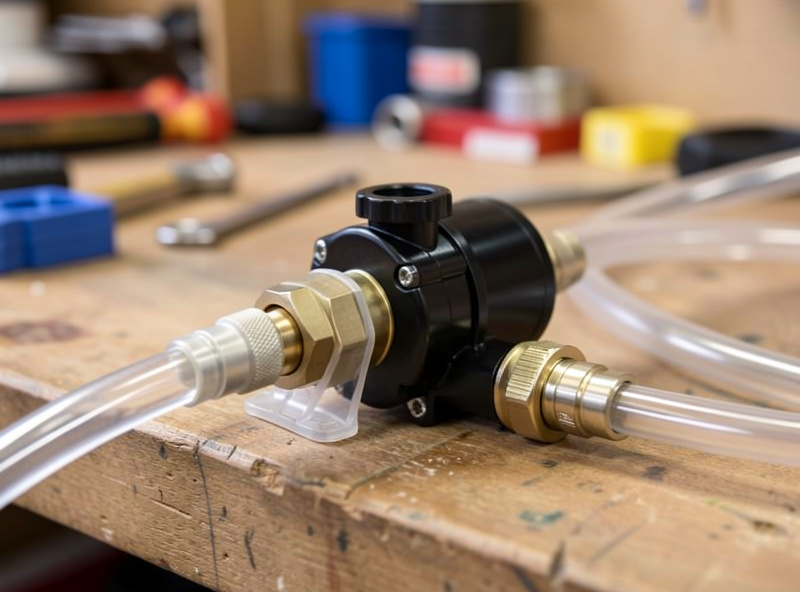
The single best upgrade is a permeate pump, a small non-electric device that uses the energy of the waste stream itself to boost pressure on the membrane, and it can roughly halve your waste — taking a 4-to-1 unit toward 2-to-1 or better. It’s the upgrade I tell every metered-water fishroom keeper to prioritize, because it pays for itself over a year and needs no electricity. If your unit can accept one, that’s a genuine point in its favor at purchase time.
Beyond the pump, a few things help. Adequate feed pressure matters most — if your household pressure is below about 40 psi, a booster pump improves both your ratio and your output speed. A quality membrane matched to your water rejects efficiently. And warm feed water flows better than cold, so if you can feed room-temperature water rather than icy mains water, your ratio improves. I run my RO in longer, steady sessions rather than frantic short bursts, because starting and stopping the membrane constantly hurts both its lifespan and its effective efficiency.

Is RO Waste Water Actually Wasted?
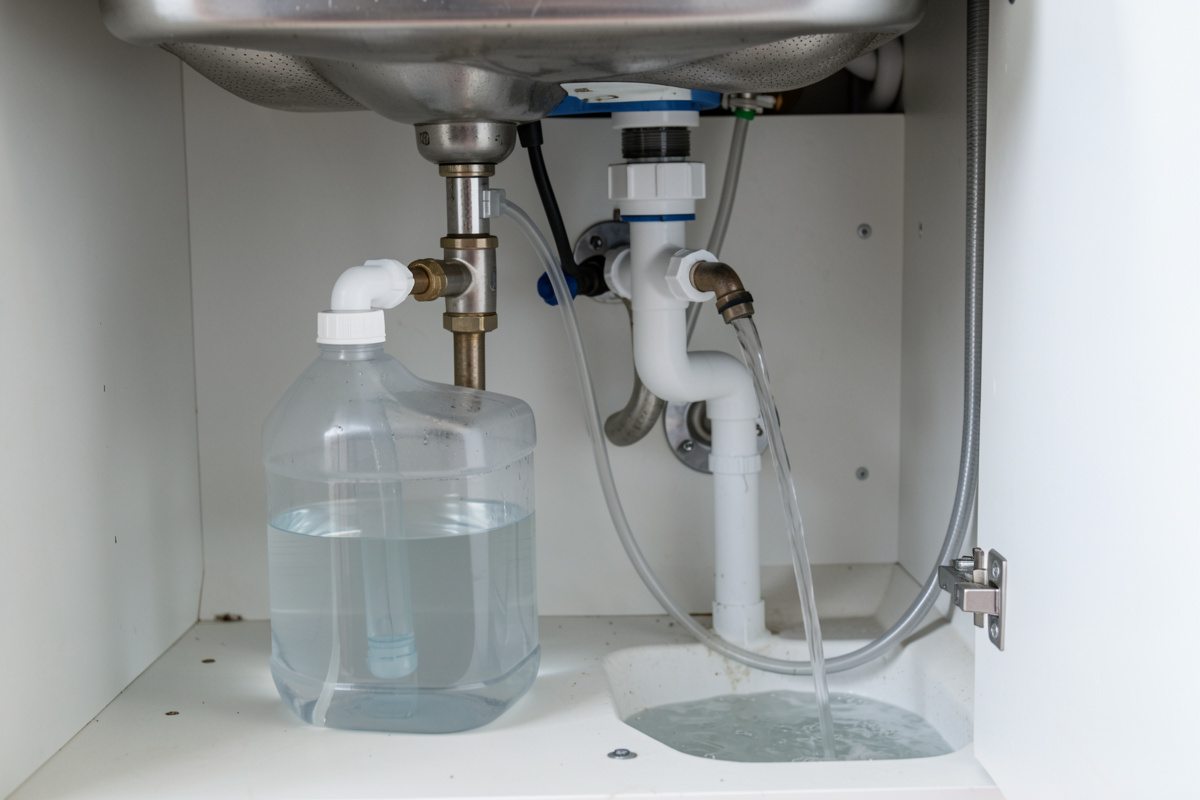
Here’s the reframe that eased my conscience: reject water isn’t sewage, it’s just water with a higher concentration of the dissolved solids the membrane removed. It’s typically only modestly more concentrated than your tap — often just a few times the feed TDS — which makes it perfectly usable for plenty of household jobs. I catch mine and use it, and that turns “waste” into a second yield.
My reject water goes to houseplants and the garden — most terrestrial plants don’t care about the extra minerals, and given my hydroponics background I’m comfortable judging what a plant tolerates. It’s fine for washing floors, flushing toilets, cleaning, topping up a mop bucket, or pre-rinsing dishes. The one thing I don’t do is put it in an aquarium — the whole point of RO was to remove those solids, so returning the concentrated version defeats the purpose. But between reuse and a permeate pump, my true “down the drain” waste is a fraction of what the raw ratio suggests. Collecting reject water in a jug beside the unit costs nothing and recovers most of it.
The Bill That Taught Me This
When I first set up an RO unit, I plumbed it, ran it hard to fill jugs for a rack of tanks, and paid zero attention to the drain line quietly running the whole time. My mistake was two-fold: a bog-standard 4-to-1 membrane and no reuse, so every liter I made sent four straight down the drain on a metered supply. The next bill wasn’t catastrophic, but it was noticeably up, and when I traced it, the RO drain was the obvious culprit — I’d been buying and draining hundreds of extra liters a month without thinking about it.
The sound of that drain line trickling became the thing I noticed — a constant soft rush I’d tuned out, which was literally money running away. The fix cost about the price of a couple of test kits: a permeate pump that roughly halved the waste, plus a collection jug so the remaining reject watered my plants instead of the sewer. My effective waste dropped dramatically, and the unit’s running cost stopped bothering me. The lesson was the same one that runs through all my water work — measure what you’re actually using, because the number you ignore is the one that costs you. I metered my nutrient reservoirs for years; I should have metered my drain line from day one.
Does RO Make Sense for Your Setup?
Run the honest math for your situation. For a single nano needing a few liters a week, the waste and the unit cost may not justify ownership — store-bought RO can win, and there’s no shame in hauling a jug. The economics flip around a two- or three-tank fishroom, where the volume justifies the upfront cost and the ongoing filters. But even then, buy with the waste ratio in mind: choose a unit that accepts a permeate pump, plan to collect and reuse the reject, and check your feed pressure. Those three moves turn RO from expensive water into reasonable water. And if you’re weighing well water or borderline tap against RO, factor this running cost into the do-I-need-RO decision and the well-water question — the cheapest RO is the RO you didn’t need to make.
What I’d do starting today: before buying any unit, confirm it takes a permeate pump, and set up a reject-water jug before your first run. Understand your ratio, improve it cheaply, and reuse what’s left. Do that and the drain line stops being money running away — it becomes a garden hose you just haven’t connected yet.
What is a normal RO waste water ratio?
A standard reverse osmosis membrane runs about 4 to 1, meaning four liters go to the drain for every liter of usable product water. A permeate pump or higher-efficiency membrane can improve that toward 2 to 1 or even 1 to 1. Low household pressure and cold feed water both make the ratio worse, so check pressure before blaming the unit.
Why does reverse osmosis waste so much water?
The waste or reject stream continuously flushes the dissolved solids the membrane removes away from its surface. Without that flushing, solids would concentrate against the membrane and foul it quickly. So some waste is physically necessary to keep the membrane clean and rejecting well, which means zero waste is not achievable, only minimized.
Does a permeate pump reduce RO waste water?
Yes. A permeate pump is a small non-electric device that uses the energy of the waste stream to boost pressure on the membrane, and it can roughly halve your waste, taking a 4 to 1 unit toward 2 to 1 or better. It pays for itself over a year on metered water and is the top upgrade for a busy fishroom.
Can I reuse RO waste water?
Yes. Reject water is only modestly more concentrated than your tap, so it works for houseplants, gardens, cleaning, flushing toilets, and washing. Do not put it back in an aquarium, since that returns the very solids RO removed. Collecting it in a jug beside the unit recovers most of what the raw waste ratio suggests you are losing.