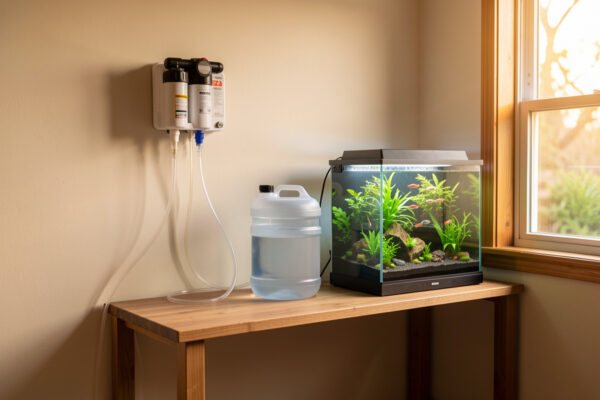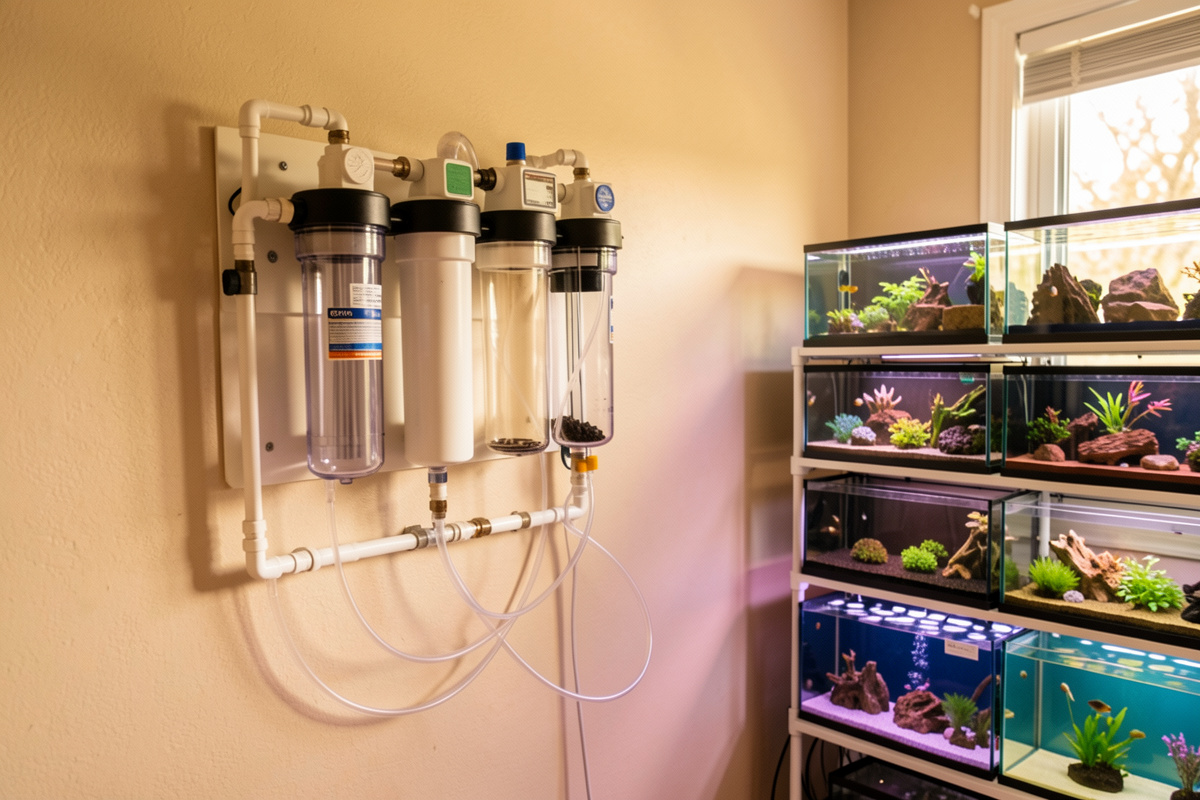
The best RO/DI system for a small fishroom is a 4- or 5-stage unit rated around 75 gallons per day, with a sediment pre-filter, one or two carbon blocks, an RO membrane, and a deionization resin stage that polishes output to 0 ppm. That configuration fills a nano keeper’s jugs fast enough, protects the membrane, and hits a true zero for sensitive stock. Anything fancier is usually for bigger operations.
I’ve run a compact 4-stage unit for years now, and the biggest lesson is that the marketing tiers matter far less than three unglamorous numbers: the membrane’s GPD rating, the waste ratio, and whether there’s a DI stage after the membrane. Get those three right for your actual volume and you’re done. Chase stage-count bragging rights and you’ll overpay for capacity a rack of nanos never uses. This guide is how I’d shop today, sized to a small fishroom rather than a reef monster.
If you haven’t yet settled whether you even need purified water, back up one step to whether you actually need RO water before spending — a wrong yes here costs you $150 and a filling chore you’ll resent. This piece assumes you’ve decided yes and lives inside the broader RO and water-source system.
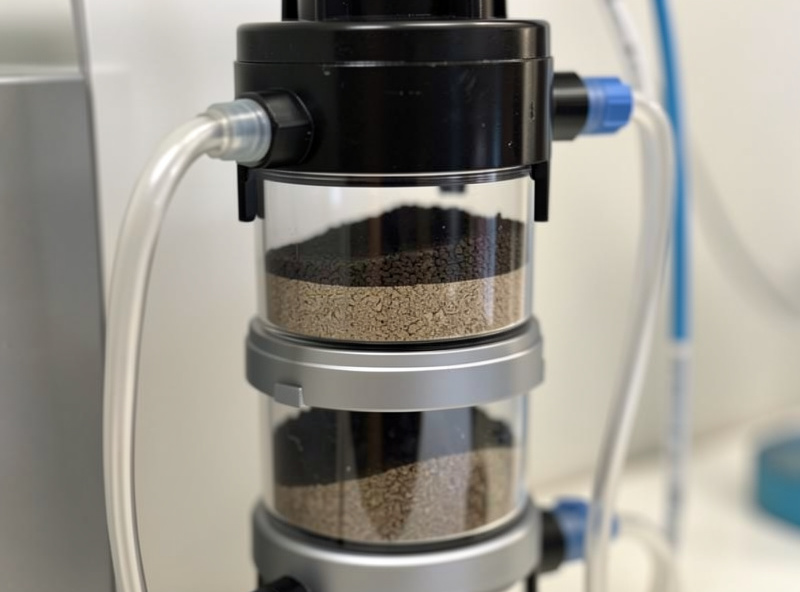
What Makes an RO/DI System Good for a Nano Fishroom?
A good small-fishroom unit balances three things: adequate output speed, low waste, and a genuine zero out the DI stage. Output speed comes from the membrane’s GPD rating — 75 GPD is the sweet spot for a rack of nanos, filling a 20-liter jug in under two hours on decent household pressure. A 50 GPD membrane technically rejects a hair more but tests your patience; a 100 GPD fills faster but historically rejects slightly less. For nano volumes, 75 is the number I keep coming back to.
The stages each earn their spot. Sediment pre-filter catches grit before it scores the membrane. Carbon blocks strip chlorine and chloramine — and this is not optional, because chlorine chemically destroys the RO membrane, so the carbon is bodyguarding your most expensive component. The membrane rejects the bulk of dissolved solids. Then the DI resin polishes the final few ppm to zero. My unit reads 0 straight out of DI, and the morning it reads 1 or 2 tells me the resin is exhausting — that number is my maintenance alarm.
What you don’t need for a nano fishroom is a booster pump for pressure (unless your house runs under 40 psi), a giant 150 GPD membrane, or a wall of six stages. Those solve reef-scale or low-pressure problems. Match the unit to your volume and your tap pressure, not to the biggest box on the shelf.
How Do the RO/DI System Types Compare?
Here’s how the common configurations stack up for someone running a few small tanks. Prices are rough street ranges, not promises, and TDS-out assumes a healthy membrane and fresh resin. Measure your own output with a pen — that’s the only number that counts.
| System Type | Stages | Typical GPD | TDS Out | Best For | Rough Price |
| RO-only (no DI) | 3 | 50–75 | 5–15 ppm | Planted tanks, hardy shrimp | $60–$100 |
| 4-stage RO/DI | 4 | 75 | 0–1 ppm | Small fishroom, most nanos | $80–$150 |
| 5-stage RO/DI | 5 | 75–100 | 0 ppm | Caridina shrimp, sensitive scapes | $120–$200 |
| High-output RO/DI | 4–5 | 100–150 | 0–1 ppm | Large fishroom, fast fills | $150–$250 |
| Countertop/portable | 3–4 | 50–100 | 0–5 ppm | Renters, no plumbing access | $70–$140 |
For most people reading this — a few nanos, maybe a shrimp tank — the 4-stage RO/DI is the honest sweet spot. It gives you a real zero for the shrimp work without the price and bulk of a reef rig. Step up to 5-stage only if you keep Caridina or run a scape where trace minerals genuinely matter. Drop to RO-only if you keep planted tanks and hardy Neocaridina, where a few ppm of residual TDS is harmless and you’d rather skip buying DI resin.
DI Resin or No DI — Which Do You Need?
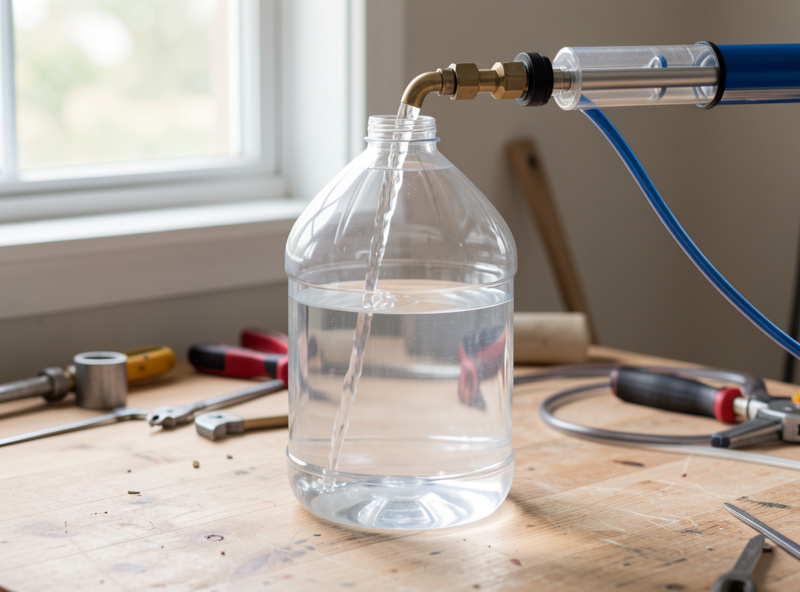
DI resin is the tiebreaker most buyers overthink. The deionization stage sits after the membrane and scavenges the last few dissolved ions the membrane let through, dragging 5-to-10-ppm RO water down to a true 0. It’s worth it when zero matters — Caridina bee shrimp, blackwater biotopes, any setup where you’re building water to an exact recipe and want no unknown starting minerals in the mix.
It’s not worth the ongoing cost when a few ppm is harmless, which covers most planted tanks and Neocaridina keeping. Here’s the honest trade: DI resin is a consumable that exhausts and needs replacing, and if your tap is high-TDS the resin dies fast and gets expensive. My rule is simple — if I’m going to remineralize the water back up to 180 ppm anyway for the shrimp, do I care whether it started at 0 or at 8? For Neocaridina, no. For Caridina, yes, because their tolerance for stray ions is tighter. Match the resin decision to your most sensitive inhabitant.
One tip that saves resin: put the DI stage on a bypass if your unit allows it, so you only run water through resin when you actually need zero. I make RO-only water for water-change top-offs and DI water only for the shrimp mixing batches. That habit roughly doubled my resin lifespan.
What About Waste Water and Running Cost?
Every RO membrane sends water down the drain — a standard unit wastes roughly four liters for every one liter of product — and over a fishroom’s water changes that adds up on a metered supply. This is the number buyers ignore at the register and notice on the bill. A permeate pump or a higher-efficiency membrane can pull that ratio toward one or two to one, which roughly halves your waste and pays for itself over a busy year.
The full arithmetic — waste ratios, resin lifespan, cost per liter of usable water versus buying jugs — is its own topic, and I ran the real numbers in the RO waste water ratio breakdown. The short version for buying: if your unit lets you add a permeate pump later, that’s a point in its favor, and it’s the single upgrade I’d prioritize for anyone on metered water. For a single nano, honestly, the math sometimes favors store-bought RO over owning a unit at all — the break-even lands around a two- or three-tank fishroom.
The Mistake I Made Buying My First Unit
I bought too much membrane and too little bucket. My first unit was a 100 GPD rig I picked because “faster is better,” and for a rack of nanos it was overkill that rejected marginally worse than a 75 would have. Worse, I hadn’t thought about storage, so I was catching product water in whatever container was handy and running the unit in frantic short bursts — which is exactly how you tank a membrane’s efficiency and never let it settle into its rejection rhythm. The membrane hates being started and stopped constantly.
The fix was embarrassingly cheap: a dedicated food-grade storage container with a float valve, so the unit runs long steady sessions and I always have remineralize-ready water on hand. The smell of that first properly-stored batch — clean, faintly plastic-new from the tubing, nothing like the chlorine bite of my tap — was the moment RO clicked for me. Buy the storage before you buy the fancy membrane. Steady, boring, well-stored beats fast and frantic every time.
As an Amazon Associate I earn from qualifying purchases.
If you’re building a small-fishroom water bench, the shortlist I’d shop is a 75 GPD 4- or 5-stage RO/DI system, a set of replacement sediment and carbon filters to keep on the shelf, a permeate pump if you’re on metered water, and a digital TDS meter so you actually know when the membrane or resin is tiring.
How Do I Know When to Replace Filters?
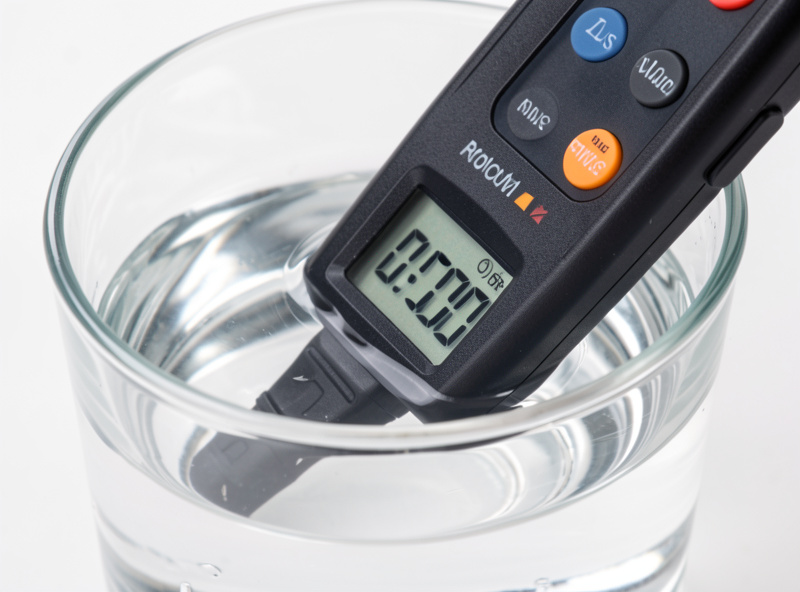
Don’t replace on a calendar — replace on the pen. Sediment and carbon blocks typically last six to twelve months depending on your tap’s grit and chlorine load, but the honest indicator is a TDS creep. When my post-membrane reading starts climbing, the membrane is fouling; when my post-DI reading leaves zero, the resin is spent. I log both numbers weekly, the same instrument discipline I ran on hydroponic reservoirs — a two-second reading that turns “should I replace this?” from a guess into a fact.
Carbon deserves a special watch if your utility uses chloramine, because chloramine chews through carbon faster than free chlorine does, and spent carbon means chloramine reaching and destroying your membrane. If you’re not sure which disinfectant your utility runs, that question is worth answering before it costs you a membrane — I cover it in chloramine versus chlorine. Keep spare pre-filters on the shelf so a spike doesn’t leave you running compromised water for a week while you wait on shipping.
What I’d Buy Starting Today
If I were outfitting a small fishroom from scratch this week, I’d get a 75 GPD 4-stage RO/DI, a dedicated storage container with a float valve, a TDS pen, and — if I’m on metered water — a permeate pump from day one. That covers a few nanos and a shrimp tank with room to grow, hits a real zero for the sensitive stock, and keeps my waste and running cost honest. Skip the 100+ GPD monster, skip the six-stage reef rig, and put the saved money toward resin and a proper remineralizer instead. The best system isn’t the biggest one — it’s the one sized to the water you’ll actually make.
What GPD RO/DI system is best for a small fishroom?
A 75 gallon-per-day membrane is the sweet spot for a rack of nano tanks. It fills a 20-liter jug in under two hours on normal household pressure while rejecting dissolved solids well. A 50 GPD is slower for little gain, and a 100 GPD fills faster but historically rejects slightly less, which rarely matters for nano volumes.
Do I need a DI stage or is RO enough?
RO alone reaching 5 to 15 ppm is fine for planted tanks and hardy Neocaridina shrimp, especially if you remineralize afterward. Add a DI resin stage for a true zero when you keep Caridina bee shrimp, blackwater biotopes, or any setup built to an exact mineral recipe. DI resin is a consumable, so only pay for it where zero genuinely matters.
How often do RO/DI filters need replacing?
Replace on your TDS readings, not a calendar. Sediment and carbon blocks usually last six to twelve months, but a rising post-membrane reading means the membrane is fouling and a post-DI reading leaving zero means the resin is spent. Log both numbers weekly so replacement becomes a measured fact rather than a guess.
Is an RO/DI system worth it for one nano tank?
For a single nano, store-bought RO or distilled water often wins on cost and hassle. Owning a unit tends to pay off around a two or three tank fishroom, where the volume justifies the upfront price, the filter changes, and the water waste. Run the numbers on your own water change volume before buying.