Shrimp molting problems are almost always a water-parameter story, not a disease. The classic failure — the “white ring of death,” where a shrimp gets stuck mid-molt — traces back to general hardness, usually a GH below 6, leaving too little calcium and magnesium to build the new shell. Fix the chemistry and the molts fix themselves.
I want to be precise about what this article is and is not. This is a husbandry and parameter checklist: the water conditions that let a shrimp molt cleanly. It is not a disease-treatment guide. Cherry shrimp molting trouble is overwhelmingly an environmental problem you solve by correcting GH, mineral content, and stability — never by dosing medications into a colony. If a shrimp shows signs of genuine illness beyond a failed molt, that is specialist territory, and I will say so plainly below.
Why Do Shrimp Molt at All?
Shrimp molt because their exoskeleton does not grow with them — they must shed the old shell and build a larger one to get bigger. A young, fast-growing cherry shrimp molts roughly every 1-2 weeks; an adult slows to every 3-4 weeks. Each molt is a vulnerable window where the new shell is soft and the animal hides until it hardens.
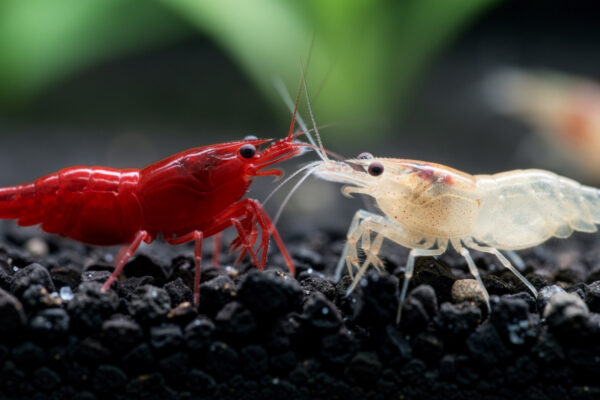
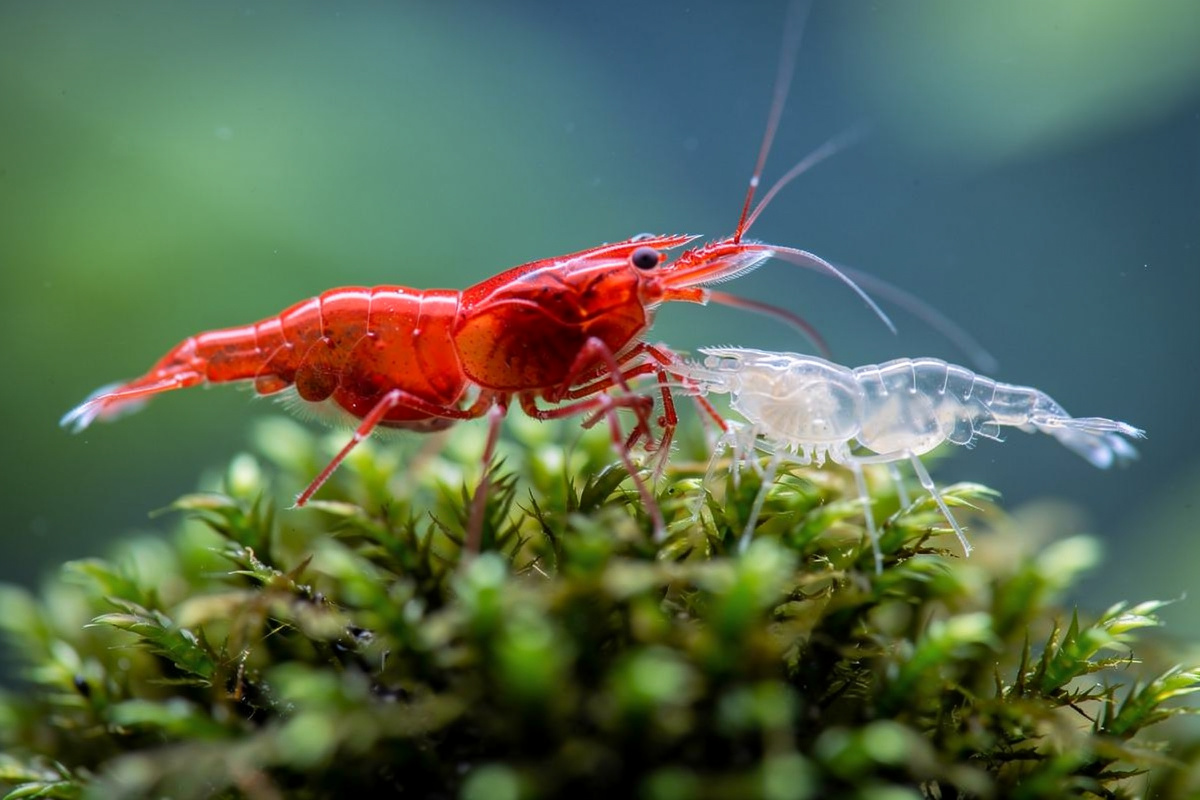
Seeing empty shed shells in your tank is good news, not bad — it means your shrimp are growing and molting normally. New keepers panic at the sight of a translucent shrimp-shaped husk, convinced something died. It is the opposite: a clean, complete shed is the signal your water chemistry is supplying what the shell needs. Leave the shed shell in the tank, by the way; shrimp often eat it to recover the minerals. The problem is never molting itself — it is molting that fails to complete.
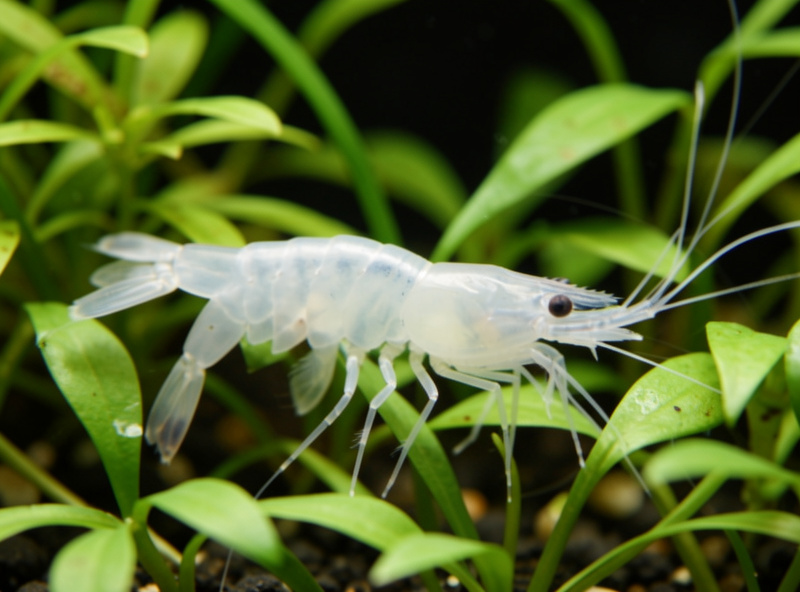
What Is the White Ring of Death?
The “white ring of death” is a failed molt where a visible white gap appears around the shrimp’s body and it cannot free itself from the old shell. It is fatal, and it is almost always caused by a GH that is too low or a water-change that swung parameters too fast. The name is dramatic; the cause is mundane chemistry.
Here is the mechanism: when GH is too low, the shrimp cannot mineralize the new shell properly, so the old and new shells do not separate cleanly. The shrimp gets trapped at the gap — the white ring — and exhausts itself trying to escape. The other trigger is a large, fast water change that drops TDS and GH suddenly, prompting a stress molt the shrimp is not chemically ready for. I have seen a keeper do a 50% change with mismatched water and lose three shrimp to white-ring within a day. The lesson is the one this whole site repeats: it is the swing, not the absolute value, and small water swings fastest. The detail on holding parameters flat is in my cherry shrimp water parameters breakdown.
How Do You Fix Failed Molting?
You fix failed molting by correcting general hardness into the GH 6-8 band and keeping it stable — there is no medication for it, because it is not a disease. Raise GH gradually with a shrimp remineralizer or a natural calcium source, never in a panic dump, and make future water changes small and parameter-matched.
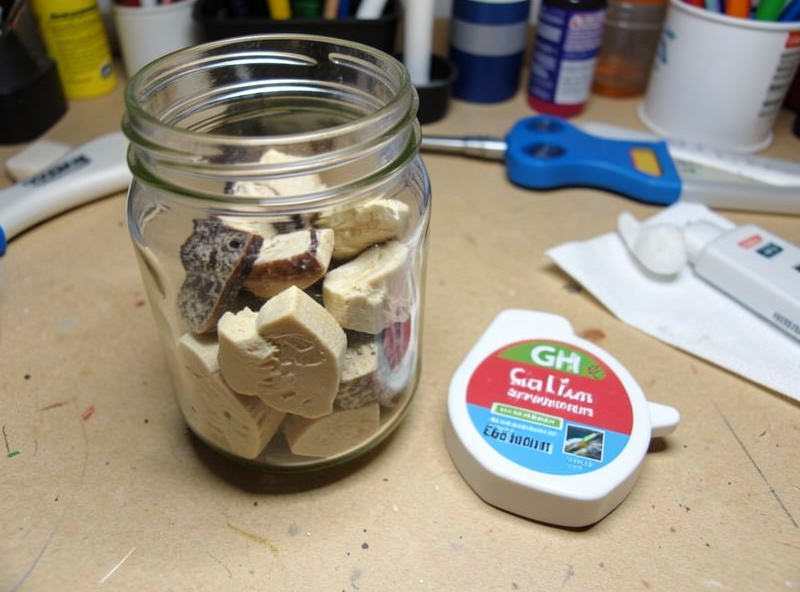
For an immediate, gentle GH support, a piece of cuttlebone or a dedicated shrimp mineral block in the tank slowly releases calcium the colony can draw on between water changes — I keep one in my colony tank as a buffer against my own mistakes. For controlled correction, mix a shrimp GH remineralizer into your change water to the 6-8 band before it ever enters the tank, and confirm it with a GH and KH test kit. The single biggest behavioral fix is changing how you do water changes: smaller volumes, more often, with water matched to the tank’s current GH and TDS. A shrimp that has been molting fine for months and suddenly fails almost always points to something you changed.
As an Amazon Associate I earn from qualifying purchases.
Can Diet Affect Shrimp Molting?
Yes — diet supplies the minerals and proteins behind a healthy shell, and a malnourished colony molts poorly even in correct water. Cherry shrimp graze biofilm constantly, but supplementing with calcium-rich and mineral-rich foods supports the molt cycle. The water provides the dissolved minerals; the diet provides the rest.
I feed my colony a varied rotation: blanched vegetables (spinach, zucchini), the occasional Indian almond leaf that they graze as it breaks down, and a quality shrimp food a couple of times a week. The almond leaf is a quiet favorite of mine — it slowly releases tannins and gives the shrimp a surface to graze, and the colony swarms a fresh one. What I avoid is overfeeding, because the same uneaten food that fouls water also does nothing for molting. A well-fed shrimp in stable GH 6-8 water molts on schedule; a shrimp starved of either minerals or nutrition does not. Diet is the supporting actor here — get the water right first, then feed well to back it up.
When Is a Molting Problem Actually Serious?
If your parameters test correct — GH 6-8, KH 2-4, TDS stable, zero ammonia and nitrite — and shrimp still fail to molt or show unusual symptoms, you have moved beyond the husbandry checklist. At that point the right move is not to start dosing the tank, but to consult an aquatic-invertebrate specialist or aquatic vet.
I keep a hard line here because it is where keepers do the most damage. The instinct when shrimp are struggling is to reach for a bottle — a “treatment” from the fish-medication shelf. With shrimp this is dangerous: many fish medications contain copper, which is lethal to inverts, and you can wipe a colony trying to cure it. My entire approach to shrimp problems is diagnostic and environmental: test, identify the chemistry fault, correct it gently, and observe. If the numbers are genuinely right and the animals are still unwell, that is a signal the cause is outside what husbandry can fix, and it belongs with a professional who works with invertebrates. Prevention through stable water is the real medicine; everything in my Neocaridina shrimp care guide is built around it, and the foundation of a properly cycled tank is where it all starts.
Frequently Asked Questions
Why are my shrimp dying after molting?
Most post-molt deaths trace to a general hardness that is too low (below GH 6), leaving too little calcium to build the new shell, or to a fast water change that swung parameters. Correct GH into the 6-8 band and keep changes small and matched.
What is the white ring of death in shrimp?
It is a failed molt where a white gap appears around the body and the shrimp cannot escape the old shell. It is fatal and almost always caused by low GH or a sudden parameter swing, not by any disease that medication can treat.
How do I raise GH to help shrimp molt?
Mix a shrimp GH remineralizer into change water to the 6-8 band before adding it, and keep cuttlebone or a mineral block in the tank as slow-release calcium. Raise hardness gradually and confirm with a GH test kit; never dump minerals in suddenly.
Should I remove shed shrimp shells?
No. Leave shed exoskeletons in the tank. Shrimp often eat them to recover minerals, and seeing empty shells means your colony is growing and molting normally. Empty shells are a good sign, not a problem to clean up.
Can I medicate shrimp for molting problems?
No. Molting failure is an environmental and parameter issue, not a disease, and many fish medications contain copper that is lethal to shrimp. Correct the water chemistry instead. If parameters are correct and shrimp stay unwell, consult an aquatic-invertebrate specialist.
Keep Reading
- Neocaridina Shrimp Care: The Complete Cherry Shrimp Guide — the full husbandry hub for a thriving colony.
- Cherry Shrimp Water Parameters — the GH, KH and TDS detail behind clean molts.
- Nano Tank Stability Guide — taming the fast swings that trigger failed molts.