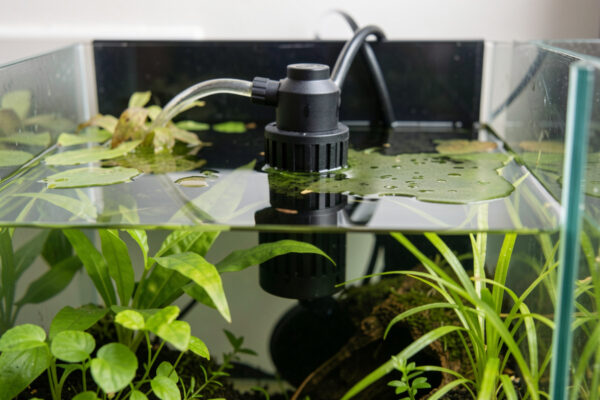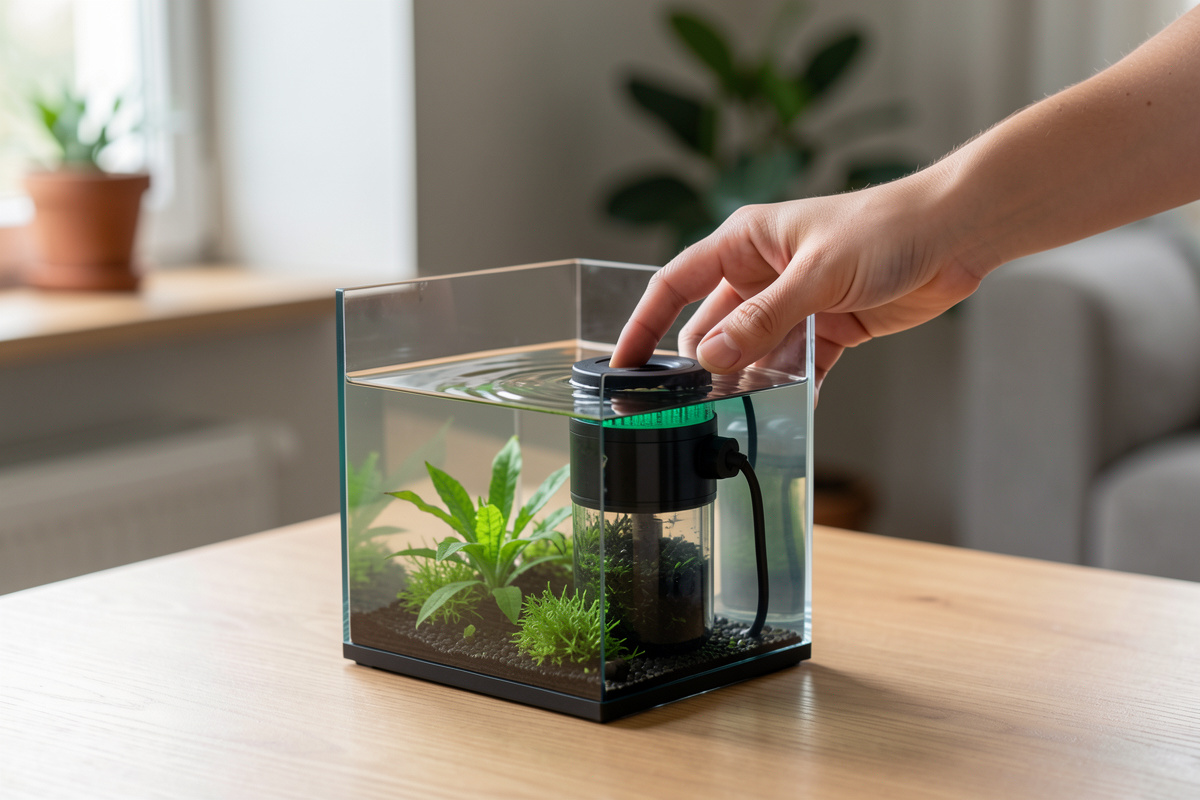
A noisy nano filter is almost never broken — it’s usually trapped air, a low water level, a worn impeller, or vibration passing into the cabinet. Four causes, four cheap fixes, and most take under five minutes. On a small tank sitting in a quiet room, a buzzing filter is the difference between a tank you enjoy and one you unplug at night.
Nano filters are loud out of proportion to their size for one reason: they run tiny, high-RPM impellers close to your ears, often in a bedroom or office where a 40-liter tank ends up. My high-tech UNS 60 rimless sits two meters from where I read, and I have chased down every rattle and hum it can make. None of them meant the filter was dying. All of them had a physical cause I could find and fix.
So this is a diagnosis by sound. Match the noise your filter makes to the cause, apply the fix, and get your silence back — without buying anything you don’t need.
Why Is My Nano Filter Suddenly So Loud?
Because something changed the way water and air move through it — usually a dropped water level after evaporation, an air bubble trapped in the pump chamber, a worn impeller, or the filter body vibrating against the glass or stand. A filter that ran silent for months and turned loud overnight almost always has one of these mechanical causes, not a failed motor.
The single most common trigger on a nano is evaporation. Small tanks lose a noticeable fraction of their volume to evaporation in a week, and as the water level drops, a hang-on-back outflow starts splashing onto the surface instead of gliding into it, and an intake can begin sucking air with a gurgle. In my parameter log the correlation is almost comical: the filter gets loud, I check the level, and the tank is down a centimeter or two. Top it off and the noise stops. This is why a top-off routine isn’t just about salinity creep — it’s about a filter that runs quietly at the right water line. The other causes are mechanical wear and vibration, which I’ll take in turn. Listen first: the kind of noise tells you which one you have.
What Does a Trickling or Splashing Filter Mean?
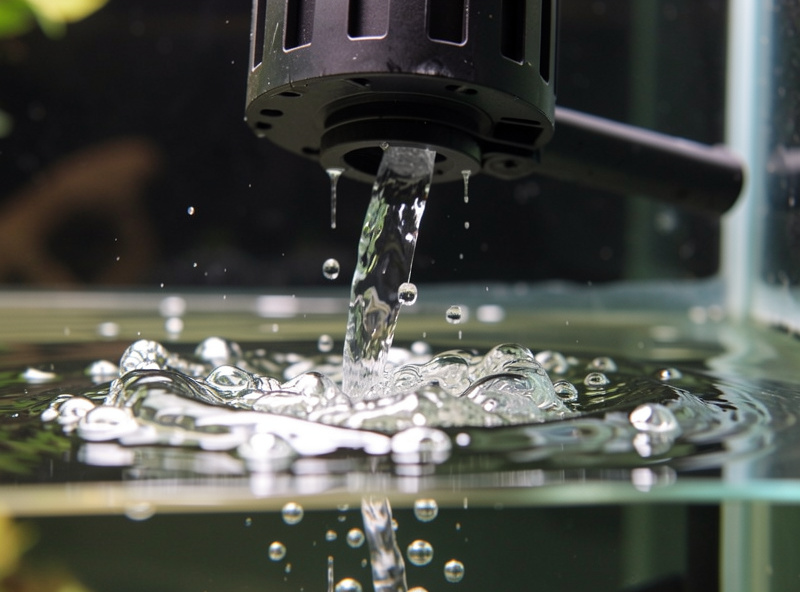
A trickle, gurgle, or splash almost always means the water level is too low or air is being drawn into the flow. Top the tank up to the correct line and the splashing usually stops instantly. If a gurgle persists, air is entering the intake — check the tube seating and burp any trapped bubble from the pump chamber.
Splashing is the easiest fix in the hobby and the most overlooked. When the outflow of a hang-on-back sits above the water surface, water falls and slaps instead of flowing, and on a quiet nano that patter carries across a room. Raising the water level so the outflow is just submerged, or adjusting the return so it breaks the surface gently rather than dropping onto it, silences it. A gurgling intake is the same problem upstream: the tube is drawing air because the level dropped below its optimal depth or the tube isn’t seated. I keep a fill line marked on the back glass so top-offs are consistent and the filter always runs at its quiet level. If your return is loud because you’ve aimed it to boost surface agitation for oxygen, there’s a balance to strike — strong flow also stresses some fish, which I get into in betta and filter flow.
What Causes a Grinding or Rattling Filter?
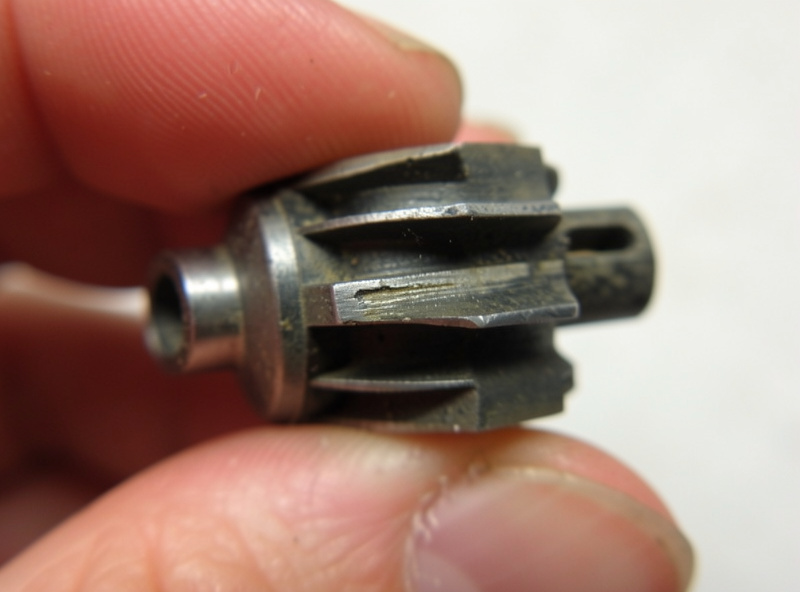
A grind, rattle, or high-pitched whine points to the impeller: either an air lock, debris jammed in the impeller well, or a worn shaft and bushing. Pull the impeller, clean the well, and inspect the shaft. A smooth impeller runs near-silent; a grooved shaft or chipped vane rattles and only a replacement impeller cures it.
Air lock is the first thing to rule out because it costs nothing. After a top-off or water change, a bubble can lodge in the pump chamber, and the impeller cavitates — spinning partly in air, making a rattling, sputtering noise while moving little water. A firm tilt of the filter or a quick off-on cycle burps the bubble out and the noise vanishes. If it persists, unplug and pull the impeller. Debris in the well — a snail shell, a plant fragment, grit — makes an intermittent rattle. Genuine wear makes a constant grind or whine: over time the ceramic or steel shaft develops grooves and the impeller wobbles in its bearing. Manufacturers such as Fluval treat the impeller as a periodic wear part for exactly this reason, and a fresh one for a couple of dollars is the honest fix once the shaft is grooved. I replace impellers on my most-used filters roughly once a year, before they get loud, because a worn impeller doesn’t just annoy you — it moves less water.
Why Does My Filter Hum or Buzz Even When It’s Clean?
A low hum or buzz that survives cleaning is usually vibration — the motor’s normal running frequency transmitting into the glass or stand, which acts as a soundboard. The cure is mechanical decoupling: a thin foam or sponge pad between the filter and the glass, or between the tank and the stand, absorbs the vibration before it becomes audible.
This is structure-borne noise, and it’s the one that drives keepers slowly mad because the filter itself sounds fine in your hand — it’s the tank amplifying it. A small internal filter clipped tight to a thin glass panel turns that panel into a speaker. I slip a square of aquarium-safe foam or a strip of filter sponge between the suction cups and the glass, and the buzz drops away. Suction cups themselves harden and lose their grip with age, letting the filter chatter against the glass; replacing perished cups is a fifty-cent fix. One caution that isn’t about noise at all: if a filter develops a new electrical buzz, gets warm, or trips your outlet, stop and treat it as an electrical fault, not an acoustics problem. Water and mains power share that cabinet, which is why every tank should run on a GFCI — the National Fire Protection Association‘s National Electrical Code (Article 210.8) has required ground-fault protection in damp locations for decades. A buzzing, warming motor near water is a safety issue first and a noise issue second.
When Is a Noisy Filter Actually a Dying One?
Rarely — but a filter that grinds constantly after a full cleaning, moves noticeably less water than it used to, or runs hot has genuine wear, and the impeller or the whole unit is near the end. Most noise is trivial; declining flow alongside the noise is the signal that it’s more than an annoyance.
The distinction matters because flow is filtration. A filter limping along on a worn impeller isn’t just loud, it’s under-circulating the tank, which on small water means poorer oxygenation and weaker biological filtration — the same stakes as an outright filter that stopped working. If a new impeller doesn’t restore both quiet and flow, the motor bearing is worn and it’s time to replace the unit. For a nano that’s rarely a big expense, and a smooth-running filter is worth it. Noise, in the end, is your filter talking to you: most of the time it’s asking for a top-off or a clean, occasionally it’s telling you a part is worn, and once in a long while it’s warning you of something you shouldn’t ignore. This all sits inside the wider gear picture in my equipment troubleshooting hub, and it rests on the same truth as everything on this site — small water shows you problems fast, so learn to read them.
Why does my aquarium filter get loud after a few days?
The most common reason is evaporation dropping the water level. On a small tank the level falls noticeably within a week, and a lower level makes the outflow splash and the intake gurgle. Topping the tank back up to its normal line usually silences the filter instantly. A marked fill line makes this easy to keep consistent.
How do I stop my filter from rattling?
First rule out an air lock by tilting the filter or cycling the power to burp out a trapped bubble. If it persists, unplug the filter and pull the impeller to clear debris from the well and check the shaft for wear. A grooved shaft or chipped impeller vane rattles and only a replacement impeller cures it.
Why does my filter hum even after I clean it?
A hum that survives cleaning is usually vibration transmitting from the motor into the glass or stand, which acts as a soundboard. Slip a thin piece of aquarium-safe foam or filter sponge between the filter and the glass, or between the tank and the stand, to decouple the vibration. Replacing hardened suction cups also helps.
Should I worry if my filter buzzes and gets warm?
Yes. A new electrical buzz combined with a warm motor or a tripped outlet is a potential electrical fault, not an acoustics problem. Water and mains power share the cabinet, so treat it as a safety issue. Make sure the tank is on a GFCI outlet and stop using a filter that runs hot or trips power.