A sponge filter is only as alive as its air pump — when the pump quits, the sponge stops pulling water and its bacteria colony starts to suffocate within hours. The fix is almost always a perished diaphragm, a cracked check valve, or a kinked airline, and a $10 rebuild kit brings most pumps back. On a shrimp tank running purely on air, this is the one failure you cannot ignore.
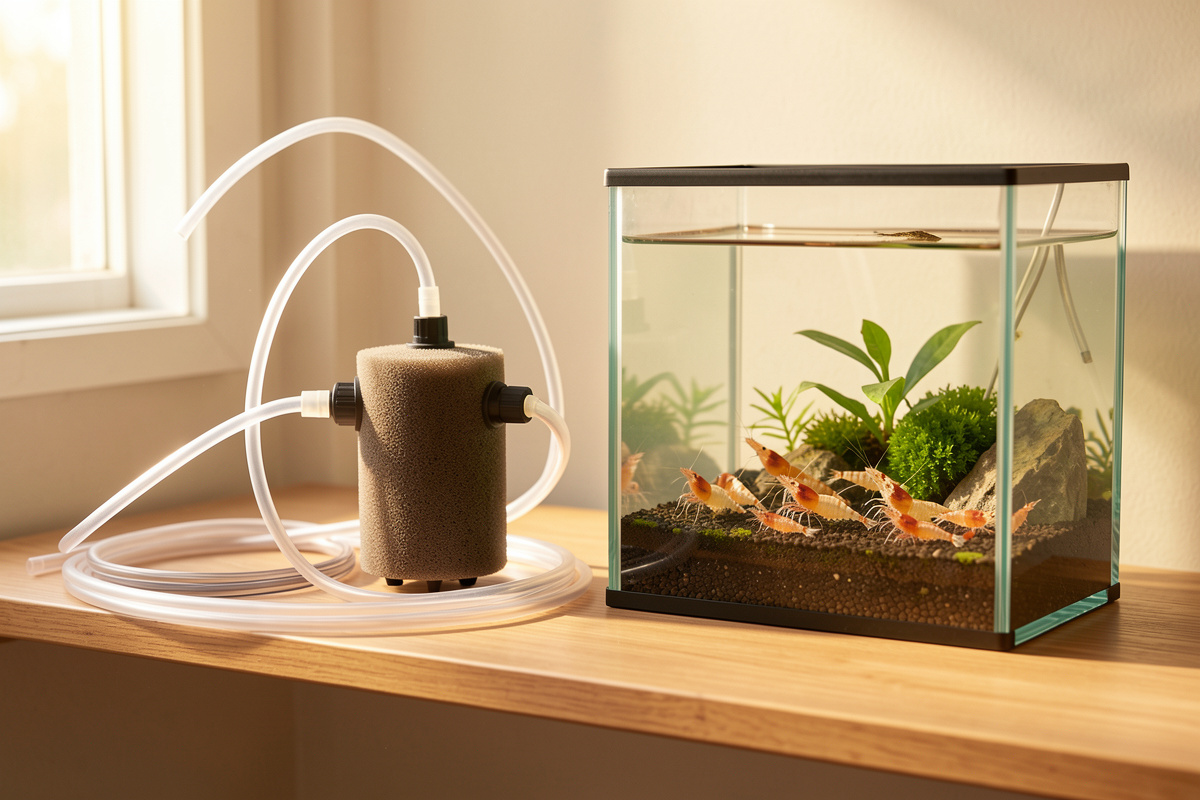
My Neocaridina colony lives on a sponge filter and a small air pump, by choice: shrimp hate strong flow, and a sponge can’t chop a molting shrimp the way an impeller can. That design decision makes the air pump the single point of failure for the whole tank, which is exactly why I keep a spare on the shelf and a rebuild kit in the drawer. When the bubbling stops, a clock starts — not a fast one, but a real one.
This is how I diagnose a dead or weak air pump, revive it, and — just as important — prevent the two mistakes that turn a stopped pump into a flooded floor or a suffocated colony. If your sponge filter has gone silent, restore oxygen first, then work the diagnosis below.
What Actually Happens When the Air Pump Stops?
Two things, on different clocks. Surface agitation and oxygenation drop immediately, so dissolved oxygen falls — the urgent problem. And the sponge, which relies on airflow to draw water through it, stops circulating, so its resident bacteria colony slowly loses the oxygen it needs. The fish feel the oxygen loss first; the biofilter follows over many hours.
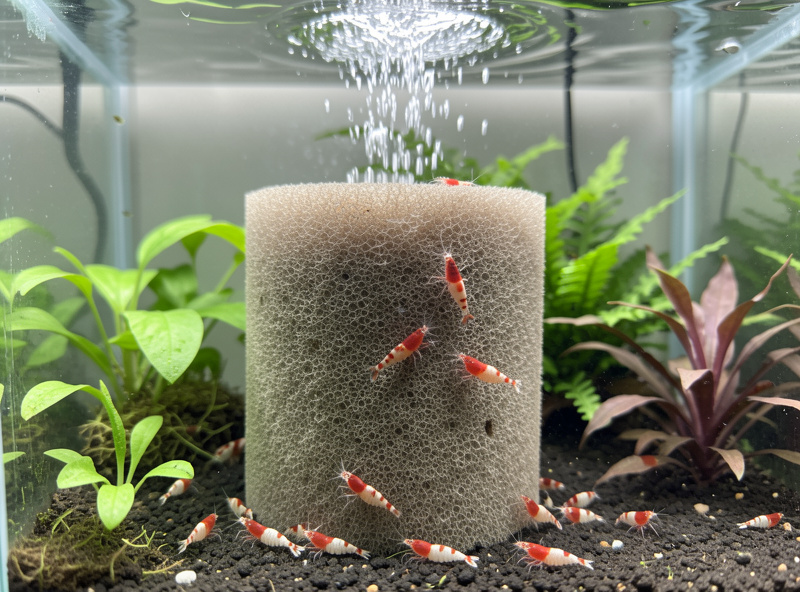
A sponge filter works by airlift: rising bubbles inside a lift tube pull water up and out, drawing tank water through the sponge, where a colony of nitrifying bacteria does the biological filtration. Cut the air and you lose both the water movement and the gas exchange that surface disturbance provides. Warmer water holds less oxygen to begin with — a relationship the USGS Water Science School dissolved-oxygen data describes plainly, with solubility dropping measurably as temperature climbs — so a warm, stocked nano loses its oxygen margin fastest. That’s why the first move when a pump dies is never to start unscrewing it. It’s to restore oxygen: a battery air pump, a spare pump, even a cup used to pour water and break the surface will buy time. The bacteria are hardier than the fish and survive a surprising while, the same way they do when a powered filter stops working. Oxygen is the emergency; the pump repair is the follow-up.
Why Do Aquarium Air Pumps Fail?
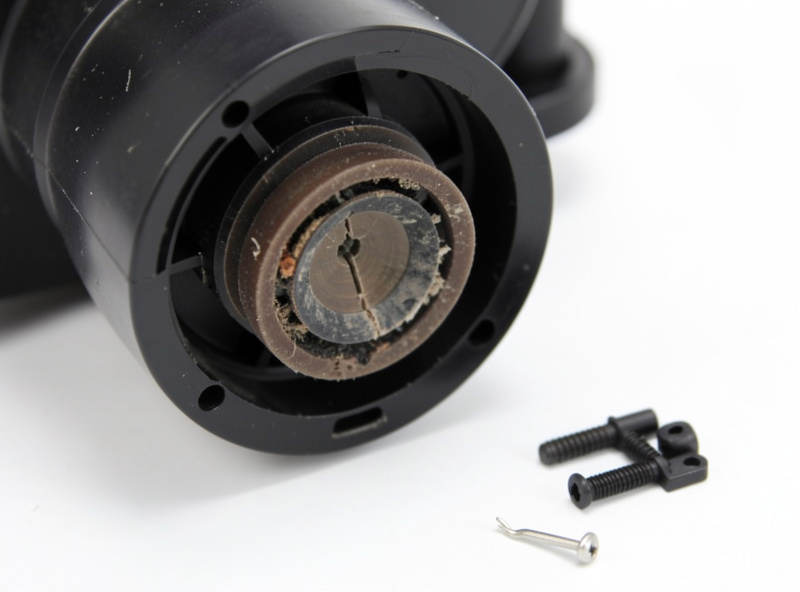
The overwhelming cause is a worn diaphragm. Air pumps work by vibrating a small rubber diaphragm thousands of times a minute, and that rubber hardens, stretches, and eventually tears with age and heat. A pump that has gone quiet, weak, or buzzy-but-airless almost always has a perished diaphragm — a part sold in cheap rebuild kits for most common pumps.
Open a dead diaphragm pump and the story is usually obvious: the rubber is cracked, stiff, or split where it flexes. It’s a wear-out failure, as predictable as a heater thermostat or a filter impeller — these are all consumables, a truth my parameter log keeps confirming. Alongside the diaphragm, two smaller parts wear: the flapper valves inside the pump that can gum up or tear, and the foam air filter (on pumps that have one) that clogs and starves the pump of intake air. A rebuild kit typically includes the diaphragm and valve set, and fitting it is a ten-minute job with a screwdriver. If the pump is buzzing loudly but moving little air, that’s the classic hardened-diaphragm signature. If it’s silent and dead with no hum at all, suspect the power — the cord, the outlet, a tripped GFCI — before you open it. I’ve “diagnosed” a dead pump that was simply unplugged behind the stand, so check the boring things first.
What If the Pump Runs but No Bubbles Come Out?
If the pump hums and vibrates but the sponge filter isn’t bubbling, the airflow is being blocked or lost between the pump and the tank. Check the airline for kinks, a stuck or backward check valve, a clogged airstone or sponge lift, and a leaking connection. The pump can be perfectly healthy while a fifty-cent part strangles its output.
Trace the air path end to end. Start at the pump outlet and follow the airline: a kink behind the tank, a pinch under the stand, or a section crushed by furniture will stop flow dead. Next, the check valve — that small one-way valve in the line. If it’s installed backward, it blocks all airflow; if it’s failed shut, same result. Reversing or replacing it is instant. Then the delivery end: a clogged airstone caked with mineral scale or biofilm chokes output, and the sponge filter’s own lift tube can clog. Finally, check every push-fit connection and the diaphragm chamber for air leaks, which bleed off pressure. On a nano the airline runs are short, so this trace takes two minutes. The reason I labor the point is that people throw away working pumps over a kinked hose. Match the airflow to the resistance too — an underpowered pump can’t drive a deep sponge, and that’s a sizing issue, not a fault.
Why Is a Check Valve Non-Negotiable?
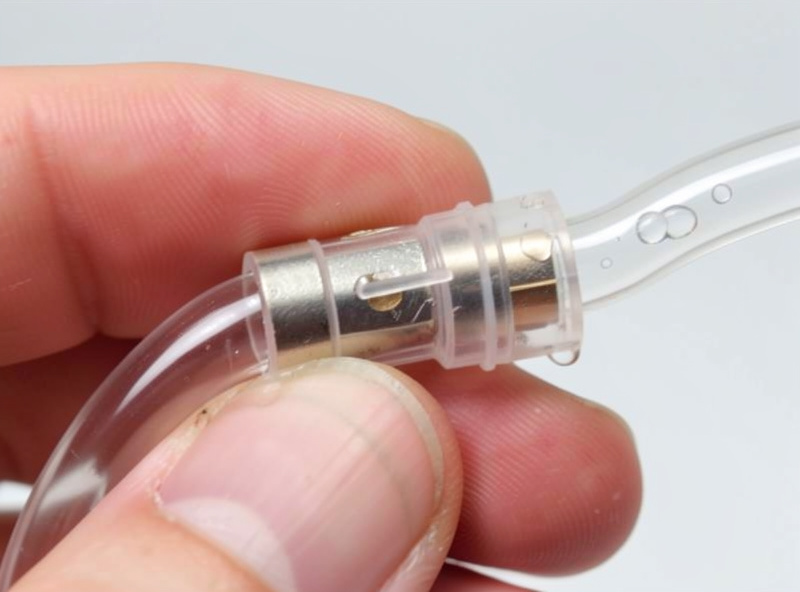
Because without one, a stopped pump can siphon your tank onto the floor. When the pump loses power and sits below the water line, water can back-siphon up the airline, through the dead pump, and out — draining the tank until it hits the airline’s entry point. A one-way check valve blocks that reverse flow. It’s the cheapest disaster-prevention part in the hobby.
I learned this one the hard way, mopping at midnight after a pump I’d set below the tank unplugged itself and quietly siphoned water across the shelf. The physics is simple: airline is just a tube, and if both ends offer a path, water follows gravity from the tank down through the pump. A check valve, installed with its arrow pointing toward the tank, permits air in only one direction and stops water coming back. Mount the pump above the water line as a belt-and-suspenders measure, but install the check valve regardless — pumps end up below the water line more often than you’d plan for. This is the same category of quiet electrical-and-water hazard that makes a GFCI mandatory: a puddle reaching a power strip is an electrocution and fire risk, which is why the National Fire Protection Association‘s National Electrical Code (Article 210.8) has required ground-fault protection in damp locations for decades. Cheap parts, catastrophic absences.
How Do You Make a Sponge Filter Failure a Non-Event?
Redundancy. Keep a spare air pump and a rebuild kit on the shelf, own a battery-powered pump for outages, and run a check valve on every airline. With those three cheap things in place, a dead pump becomes a ninety-second swap instead of a suffocated colony. The gear that keeps a nano alive should never have a single point of failure.
My shrimp tank taught me to treat the air pump the way I treat the heater on a fish tank — as life support that deserves a backup. I run a Tetra Whisper on the colony and keep a second one boxed; a spare pump is a few dollars, a rebuild kit is less, and a battery air pump that auto-starts when mains power drops covers both a pump failure and a full power cut, which is why it’s the one piece of backup gear I tell every nano keeper to own. This whole failure sits inside the broader equipment picture in my troubleshooting hub, and it shares its root cause with every other nano emergency: small volume, fast consequences, the reality behind why small water is the advanced class. If your backup shelf is bare, a quick search for a battery backup air pump and a rebuild kit for your pump model will cover the two failures that actually threaten a shrimp colony. Buy the redundancy before the pump quits, not after.
As an Amazon Associate I earn from qualifying purchases.
How long can a sponge filter tank survive without the air pump?
Often several hours as long as the water stays oxygenated, and the bacteria colony survives longer than the fish or shrimp do. The urgent problem when the pump stops is falling oxygen from lost surface movement. Restore oxygen immediately with a battery or spare pump, then repair the main pump at your own pace.
Why is my air pump running but not producing bubbles?
The airflow is blocked or lost between the pump and the tank. Check the airline for kinks, a check valve installed backward or failed shut, a clogged airstone or sponge lift tube, and leaking connections. The pump itself is often fine while a cheap part in the air path is strangling its output.
How do I fix an air pump that hums but is weak?
A pump that buzzes loudly but moves little air almost always has a worn diaphragm. The rubber hardens and cracks with age and heat. Open the pump, fit a replacement diaphragm and valve set from a rebuild kit for your model, and it usually returns to full output. It is a ten-minute job with a screwdriver.
Do I really need a check valve on my air pump?
Yes. Without one, a stopped pump sitting below the water line can back-siphon water up the airline and drain the tank onto the floor. A one-way check valve, installed with its arrow pointing toward the tank, blocks that reverse flow. It is one of the cheapest and most important parts in the hobby.