A fishless cycle step by step is the single best gift you can give your first tank — and your first fish. I run one on every new setup in my nano rack, and the routine has barely changed since my hydroponics days, because it is the same discipline: feed the system, measure the numbers, change one thing at a time, and let the biology tell you when it’s ready. Done properly, you stock a fully cycled tank on day one and the fish never meet a poisonous water column. Done by guessing, you get the “new tank syndrome” deaths the hobby is infamous for.
This is the full walkthrough — what you need, the exact rhythm week by week, the readings I aim for, and the finish-line test. It’s the practical companion to the overview in my nitrogen cycle guide, so if the chemistry of why is fuzzy, start there and come back for the how.
What you need before you start
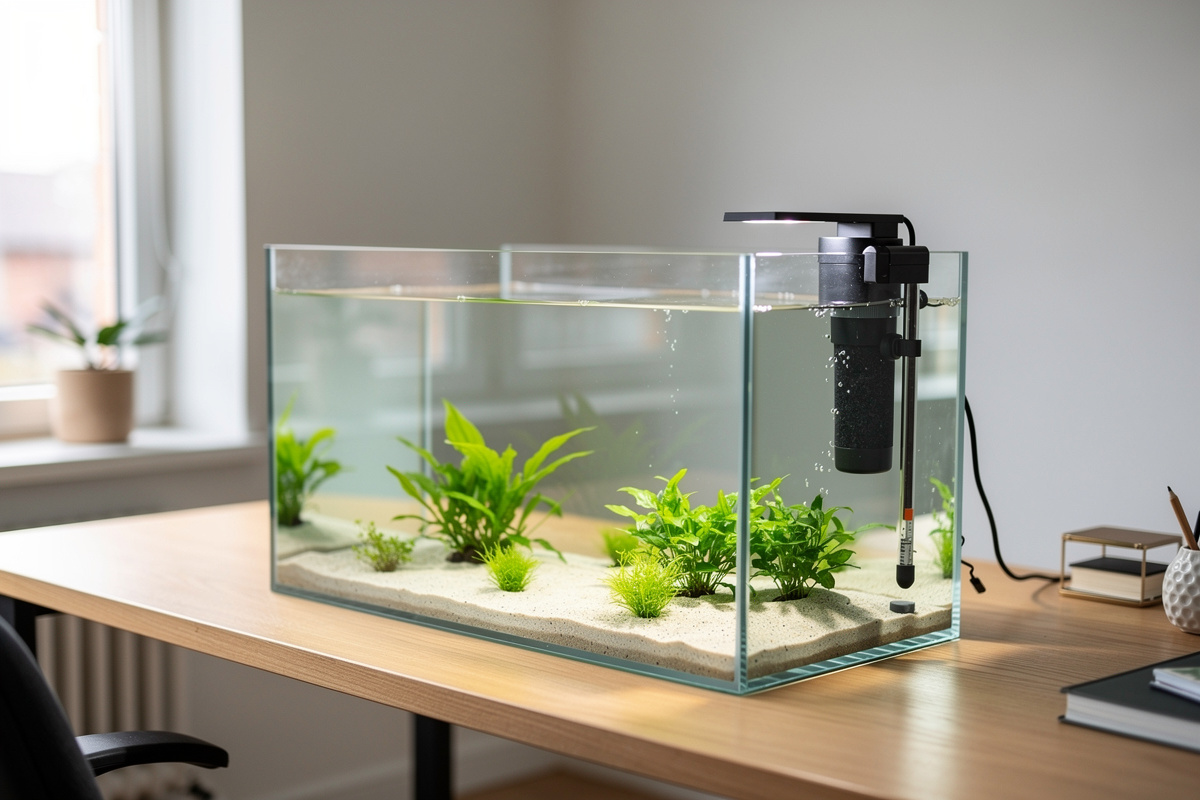
The kit list is short and cheap, which is the whole appeal. You need the tank fully set up and running — filter, heater, substrate, hardscape — because the bacteria colonize those surfaces and you want them all in place from the start. Then four things drive the cycle itself.
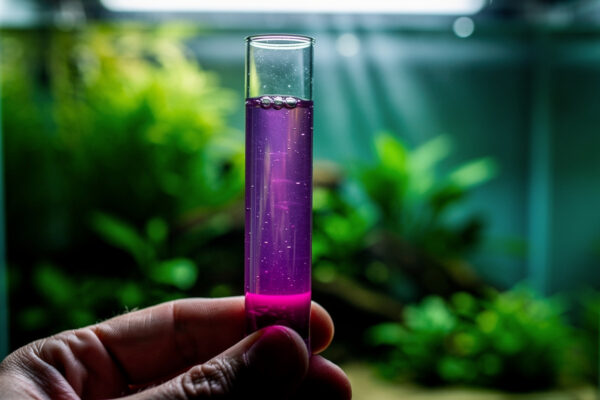
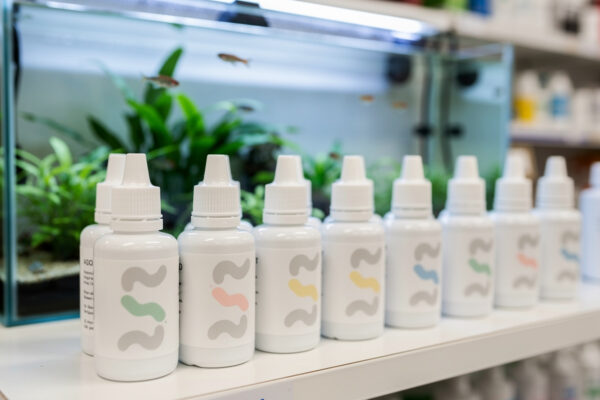
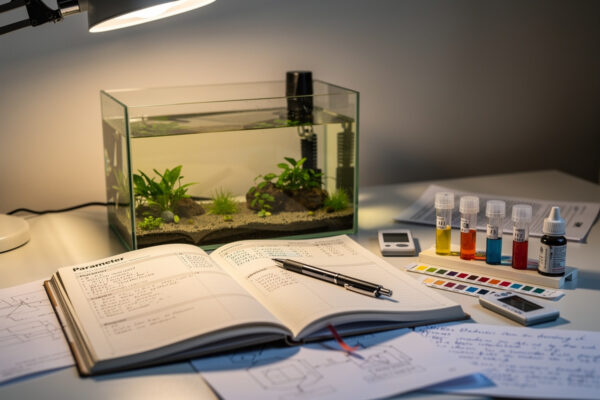
- A liquid test kit — ammonia, nitrite, nitrate at minimum. This is the instrument the whole process runs on; dip strips won’t give you the resolution. Browse master liquid test kits on Amazon.
- Pure, unscented ammonia — no surfactants or perfume, for dosing. Browse fishless-cycle ammonia on Amazon.
- A dechlorinator — to neutralize chlorine and chloramine that would otherwise sterilize the tank. Browse dechlorinators on Amazon.
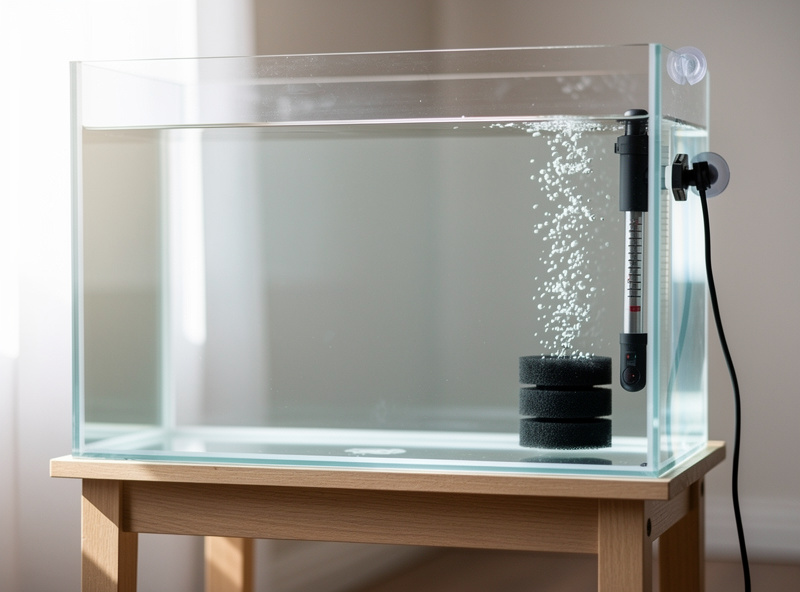
Step 1: Fill, dechlorinate, and start the equipment
Fill the tank, treat the water with dechlorinator at the dose on the bottle, and turn on the filter and heater. Set the heater to the mid-to-upper twenties Celsius — warmth speeds bacterial growth and shaves real days off the cycle. Let everything run for a day so the temperature stabilizes and any cloudiness from new substrate settles. There is no rush to dose ammonia in the first hours; a stable, dechlorinated, warm tank is the starting line.
If you’re cycling a planted tank, the plants can go in now too. Live plants consume some ammonia directly and bring their own beneficial bacteria, which is a quiet bonus — though they don’t replace the cycle, they support it. Just don’t expect a heavily planted tank to skip the process; the bacterial colony still has to build.
Step 2: Dose ammonia to your target
Now you feed the bacteria. Add your pure ammonia a little at a time, testing after each addition, until the ammonia reading sits at a moderate target — enough to feed a growing colony, not so much that it goes toxic to the very bacteria you want. The classic mistake here is treating “more is faster.” It is the opposite: an ammonia overdose can stall the cycle for weeks because extreme concentrations inhibit the nitrifiers. Aim moderate and write down exactly how much product hit your target, because you’ll re-dose to that same level repeatedly. The precise dosing logic — which product, what target, and why overdosing backfires — is its own deep-dive in the cycle hub’s companion articles.
From here the routine is simple: test ammonia daily. When it starts dropping on its own, the first bacterial group has arrived and is converting ammonia to nitrite. That’s your first milestone, usually somewhere in the first one to two weeks.
Step 3: Watch for the nitrite spike
As ammonia falls, start testing nitrite too. It will climb — often dramatically, off the top of the chart — and this is exactly what should happen. Nitrite is the intermediate; the second bacterial group hasn’t built up yet, so nitrite accumulates faster than it’s consumed. New keepers panic here, see the highest reading the kit can show, and assume something is broken. Nothing is broken. The nitrite spike is the cycle’s adolescence — alarming to watch, exactly what should happen, and the sign the colony is building on schedule.
Keep dosing ammonia back to your target whenever it reads zero — you must keep feeding the colony or it starves and stops growing. This is the phase that tests patience, because nitrite can sit pinned high for a week or two while the second group catches up. Hold the line, keep feeding, keep testing.
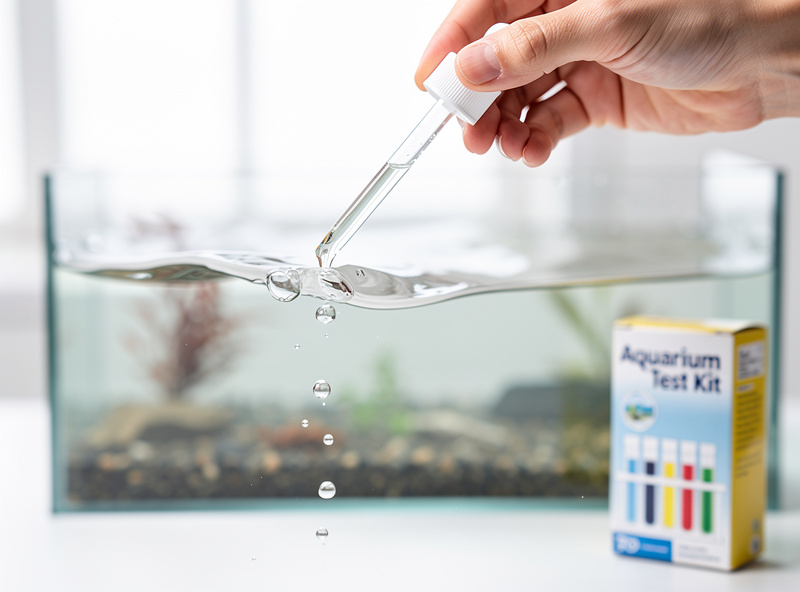
Step 4: Watch nitrate climb and nitrite fall
The payoff phase. As the second bacterial group establishes, nitrite starts dropping and nitrate begins climbing — nitrate is the end product, the relatively harmless thing you’ll manage with water changes for the rest of the tank’s life. When you see nitrate present and nitrite finally heading down toward zero, you’re in the home stretch. The colony is nearly big enough.
This is also where a low buffer can sabotage you. The whole nitrification process is acidifying, and if your KH is low the pH can crash and stall everything right at the finish. On my soft Swedish tap water I keep KH topped up during cycling for exactly this reason. If your numbers stop moving here, it’s usually chemistry — a crashed buffer, a cold tank, an ammonia overdose, or chlorinated top-up water — and easing those conditions gets the colony growing again.
Step 5: The finish-line test
Here is the only test that confirms a cycle, and it’s worth doing exactly right because stocking early is what kills fish. Dose your full ammonia target in the evening. Test ammonia and nitrite the next day, roughly 24 hours later. If both read zero — a genuine “double zero” — and nitrate is present, the colony can now process a full bioload’s worth of ammonia overnight. That, and only that, means the tank is cycled. Ammonia alone hitting zero is not enough; nitrite is just as lethal and is the second act. Run the full ammonia dose, wait the full 24 hours, and read both numbers before you trust the result.
The week-by-week rhythm at a glance
| Phase | Rough timing | Ammonia | Nitrite | Nitrate | What to do |
|---|---|---|---|---|---|
| Start | Day 0–3 | Dosed to target | 0 | 0 | Dechlorinate, dose, warm |
| Ammonia drops | Week 1–2 | Falling | Rising | 0 | Re-dose to target |
| Nitrite spike | Week 2–4 | 0 fast | High / off-chart | Trace | Keep feeding, hold patience |
| Nitrite falls | Week 3–6 | 0 | Falling | Climbing | Watch KH, keep feeding |
| Cycled | Week 4–8 | 0 in 24h | 0 in 24h | Present | Big water change, stock |
Step 6: Stock the tank
Once you’ve confirmed the double-zero, do a large water change to knock the accumulated nitrate down to a low baseline — you don’t want your new fish moving into water that’s been brewing nitrate for six weeks. Then stock. Because the colony is fully built, you can add your planned livestock without dribbling it in over months. Drip-acclimate the new arrivals to your parameters, and you’re done. The tank that took six weeks of patience now runs like the stable system it was always meant to be.
One discipline carries over: don’t strip the filter. The media you just cultured is the most valuable thing in the tank. Rinse it gently in old tank water if it clogs, never under chlorinated tap, and never replace it all at once. The colony lives there now, and a clean habit keeps it alive.
More from the cycle cluster
- The nitrogen cycle, honestly — the full overview and chemistry behind every step above.
Frequently Asked Questions
How long does a fishless cycle take?
Typically four to eight weeks. Seeded with mature filter media and kept warm in the mid-to-upper twenties Celsius, you can reach the faster end. Cold, unseeded, or on soft water that keeps crashing the pH pushes you toward the slow end.
How much ammonia should I dose for a fishless cycle?
Dose a little at a time, testing after each addition, until ammonia sits at a moderate target reading, then re-dose to that same level whenever it drops to zero. More is not faster; an overdose can stall the cycle for weeks because high concentrations inhibit the nitrifying bacteria.
Do I need to do water changes during a fishless cycle?
No. With no animals to protect you can let ammonia and nitrite rise and fall on their own, and water changes just remove the food and slow the bacteria. The exception is a severe ammonia overdose, where a partial change to bring it back into range is sensible. Do one large change right before stocking.
Can I add plants during the cycle?
Yes, and it helps. Live plants consume some ammonia directly and carry their own beneficial bacteria, so they support the cycle. They do not replace it though; the bacterial colony still has to build before the tank is safe to stock.
My ammonia drops but nitrite is stuck high. Is that normal?
Completely normal. The second bacterial group, which converts nitrite to nitrate, builds up more slowly, so nitrite can sit pinned high for a week or two. Keep dosing ammonia to feed the colony and keep testing. It will fall once the second group catches up.