The truth about bacteria in a bottle for aquarium cycling sits somewhere between the marketing (“instant cycle!”) and the forum cynics (“snake oil, all of it”). Both are wrong. Some of these products genuinely contain viable nitrifying bacteria and can give your cycle a real head start; others are shelf-stable hope in a bottle. After running fishless cycles with and without them across my nano rack and treating each one as a controlled comparison, here’s the honest, bench-tested take on what they can and can’t do.
This is the myth-busting companion to the rest of the cluster. If you want the foundations, the nitrogen cycle guide explains why a cycle takes time at all, and the fishless cycle walkthrough shows where a bottled product fits into the process.
What these products claim to do
The premise is sound in principle. A cycle is slow because the nitrifying bacteria have to arrive and multiply on your filter media from near-zero. If you could just add a thriving population of those bacteria, you’d skip the slow colonization phase and the tank would process ammonia immediately. That’s the pitch: a bottle of live nitrifiers you pour in, and the cycle is “instant.”
The reality is more conditional. For the product to work, the bottle has to actually contain the right species of nitrifying bacteria, those bacteria have to still be alive after manufacturing, storage, shipping, and time on a shelf, and there have to be enough of them to matter. Each of those is a real failure point. Nitrifying bacteria are not especially shelf-stable, so a bottle that sat in a hot warehouse for a year may contain very little that’s viable. This is why results range from “cycled noticeably faster” to “no measurable difference at all.”
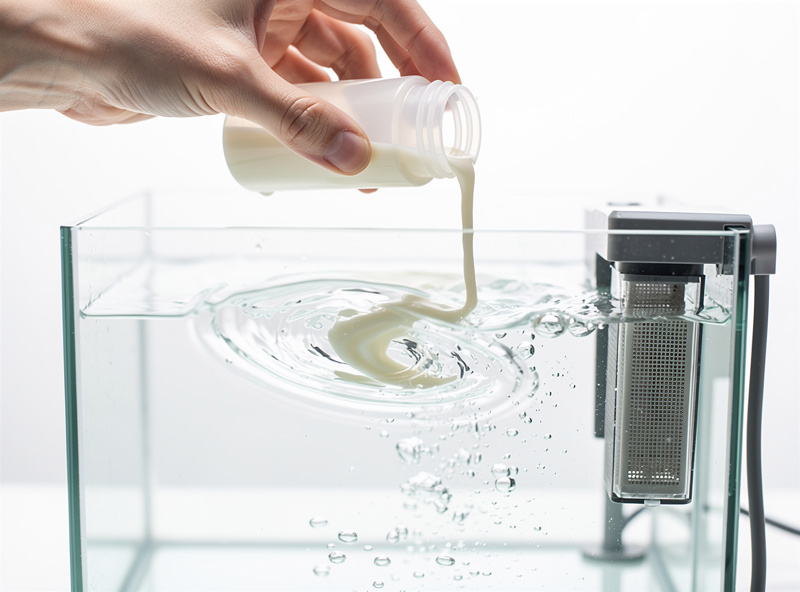
What they actually do, in my experience
Treated as a controlled variable — same tank size, same ammonia dose, same temperature, one with bottled bacteria and one without — the honest result is that a good, fresh product shortens the cycle rather than eliminating it. Instead of waiting weeks for the colony to arrive on its own, a viable dose gives you a seed population that multiplies from a higher starting point. You still watch ammonia rise and fall, still get a nitrite phase (usually shorter), still reach the double-zero finish on the test kit. It’s a head start, not a teleport.
The products that disappointed me showed essentially the same curve as an unseeded tank — the bacteria in the bottle either weren’t viable or weren’t numerous enough to register. That’s the frustrating part: you can’t tell from the outside which bottle you bought. The only way to know whether yours worked is to keep testing exactly as you would without it. Which leads to the rule that matters most.
The rule no product changes: keep testing
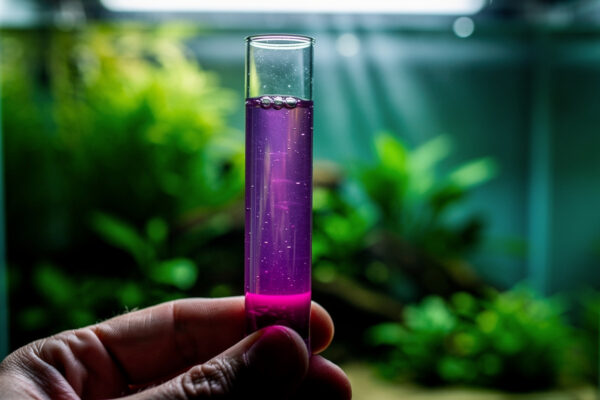
Here is the line I won’t move on. No bottled bacteria product, however good, lets you skip the test kit or add fish on day three because the label said “instant.” The tank is cycled when your test kit says it’s cycled — ammonia and nitrite both clearing to zero within 24 hours of a dose, with nitrate present — and not one day before. A bottle might get you there faster; it cannot tell you that you’ve arrived. Only the readings do that. Treating “instant cycle” as permission to dump in livestock is how the product turns from a useful accelerant into a fish-killer.
- A liquid test kit — the only thing that confirms a cycle regardless of which bottle you used. Non-negotiable. Browse master liquid test kits on Amazon.
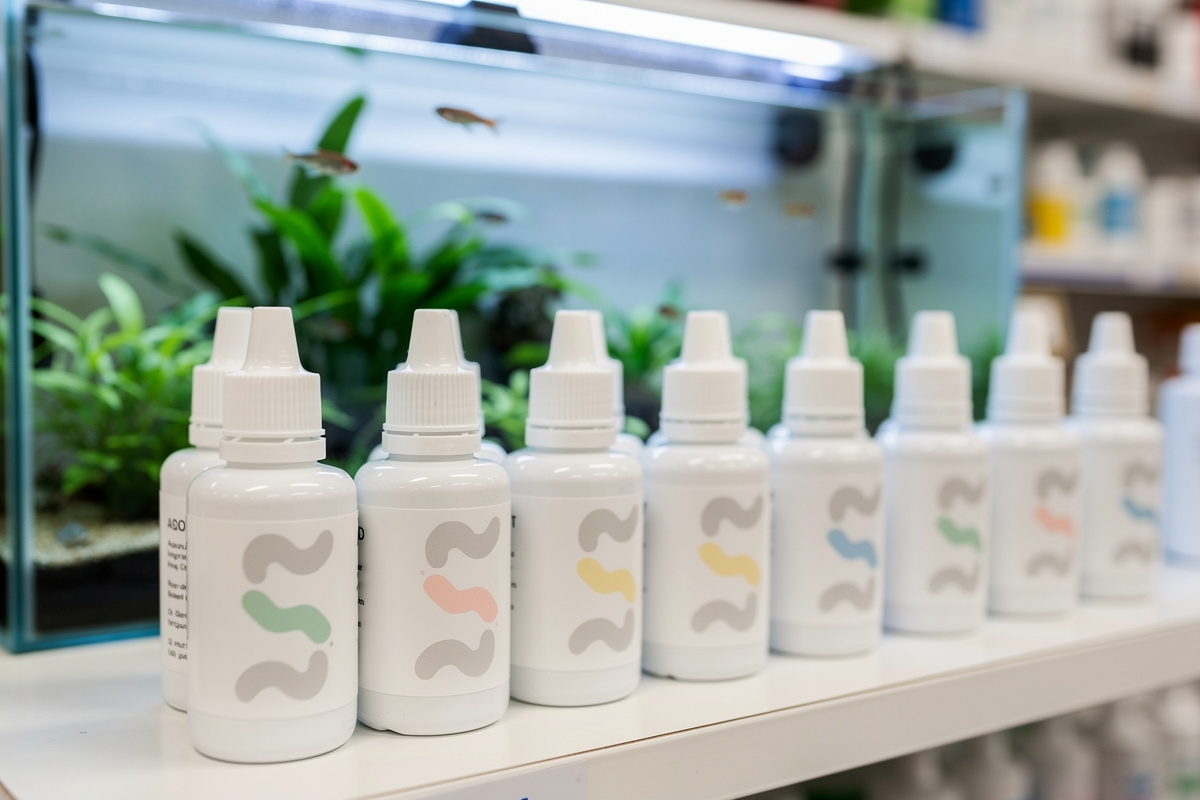
- Nitrifying bacteria starter — if you want to try a head start, buy the freshest stock you can and store it cool. Browse bacteria starters on Amazon.
The better head start: real media
If your goal is genuinely to shorten a cycle, the most reliable method isn’t a bottle at all — it’s transplanting established bacteria from a mature, healthy tank. A handful of seasoned filter media, a squeeze of dirty sponge into your new filter, some used substrate: those surfaces already carry a thriving, proven colony of exactly the right species, freshly alive rather than shelf-aged. Drop them into your new setup and you’ve seeded it with the real thing.
This is what I reach for first whenever I set up a new nano, because I have established tanks to borrow from. The only caution is the obvious one — only seed from a tank you know is healthy, because you’d also be transplanting anything else living in that media. Used responsibly, seasoned media beats every bottle I’ve tried, and it’s free. Bottled bacteria is the option for someone with no established tank to raid.
Comparison: ways to speed up a cycle
| Method | Reliability | Cost | Best for |
|---|---|---|---|
| Seasoned media from a healthy tank | High — proven live colony | Free | Anyone with an established tank |
| Fresh bottled bacteria | Variable — depends on viability | Low–medium | First tank, no media to borrow |
| Warmth + steady ammonia | Reliable — speeds the natural process | Heater cost | Every cycle, always |
| “Instant” with no testing | None — a fish-killer | — | Never |
How to use a bottle if you do buy one
If you have no established tank to seed from and want to try a product, stack the odds in your favor. Buy the freshest stock you can — check any date on the bottle and prefer a retailer with turnover. Store it cool, not on a hot shelf. Dose it into a tank that’s already warm and dechlorinated, because you don’t want to add live bacteria to chlorinated water that will kill them. Then run your normal fishless cycle on top of it: dose ammonia to your target and test daily. If the product was viable, you’ll see the curve move faster than an unseeded tank; if not, you’ve lost nothing but the price of the bottle and you simply cycle normally.
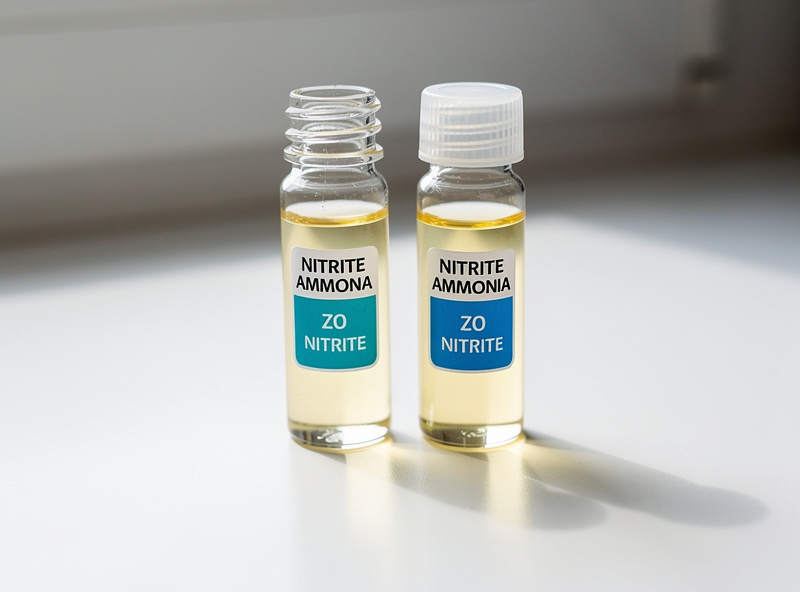
Bottled bacteria, in the end, is a reasonable tool with an honest job description: a possible accelerant for the nitrogen cycle, never a substitute for it. Keep your expectations at “head start,” keep your test kit in hand, and you’ll get whatever real value the bottle has to offer without betting your livestock on a marketing word.
More from the cycle cluster
- The nitrogen cycle, honestly — why a cycle takes time at all.
- Fishless cycle, step by step — the process a bottle plugs into.
- When your cycle stalls — why a bottle won’t fix a stall.
- How to know when your aquarium is cycled — the double-zero test that says a bottle actually worked.
Frequently Asked Questions
Does bottled bacteria really work for cycling?
Sometimes. A fresh, viable product contains live nitrifying bacteria that can give your cycle a real head start by seeding the colony. But quality varies widely because these bacteria are not very shelf-stable, so some bottles do little or nothing. It shortens a cycle at best; it does not eliminate it.
Can I add fish right after using bottled bacteria?
No. No product, however good, makes it safe to add fish before the test kit confirms the tank is cycled. The tank is ready only when ammonia and nitrite both clear to zero within 24 hours of a dose, with nitrate present. A bottle may get you there faster but cannot tell you that you have arrived.
Is bottled bacteria better than seeding with old filter media?
No. A handful of seasoned media from a mature, healthy tank carries a proven, freshly alive colony of the right species and is the more reliable head start, often for free. Bottled bacteria is the option when you have no established tank to borrow media from.
How should I store and use bottled bacteria?
Buy the freshest stock you can and keep it cool rather than on a hot shelf, since heat and time reduce viability. Dose it into a warm, dechlorinated tank, then run a normal fishless cycle on top of it and test daily to see whether it actually sped things up.
Why didn’t bottled bacteria cycle my tank instantly?
Most likely the bacteria were not viable or not numerous enough by the time you used them, which is common given how poorly they tolerate storage. Even a working product is a head start, not an instant cycle. Keep testing and let the numbers, not the label, tell you when the tank is ready.