Yes — a betta needs a heater, full stop. Betta splendens is a tropical fish that needs a stable 25–27 C (77–81 F), and most homes, especially through a Swedish winter, sit several degrees below that. Room temperature is not warm enough, and “warm enough for me” is not the standard — the fish’s biology sets it.
This is one of the betta myths that does the quietest damage, because a cold betta does not die in a way that points back to the cause. It slows down, eats less, and gets sick more easily over weeks, and by the time something looks wrong the temperature rarely gets the blame. I treat heat the way I treated temperature on the hydroponic bench: a controlled variable I verify with an instrument, never a number I assume. Here is why tropical means tropical, what cold actually does to a betta, and how to heat a nano without cooking it.
Why Room Temperature Is Not Enough
The phrase “tropical fish” is doing real work that the cup-and-bowl marketing erases. Bettas come from warm shallows that sit reliably in the mid-20s Celsius, and their metabolism and immune system are tuned to that range. A typical indoor room runs 18–21 C, which is a chronic cold stress for a betta even though it feels fine to us.
The gap matters more than the few degrees suggest. A betta held below its range does not merely feel a bit chilly; its entire physiology throttles down, because fish are ectotherms whose body temperature follows the water. Digestion slows, the immune response weakens, and activity drops. In a Swedish flat in January my rooms are nowhere near 25 C, and a betta in unheated water would spend the whole winter cold-stressed. The honest framing is that an unheated betta tank is not “room temperature keeping” — it is keeping a tropical animal in a permanent mild winter. That is exactly the kind of slow, invisible decline I describe in the betta bowl truth, where the lack of a heater is one of the two structural failures.
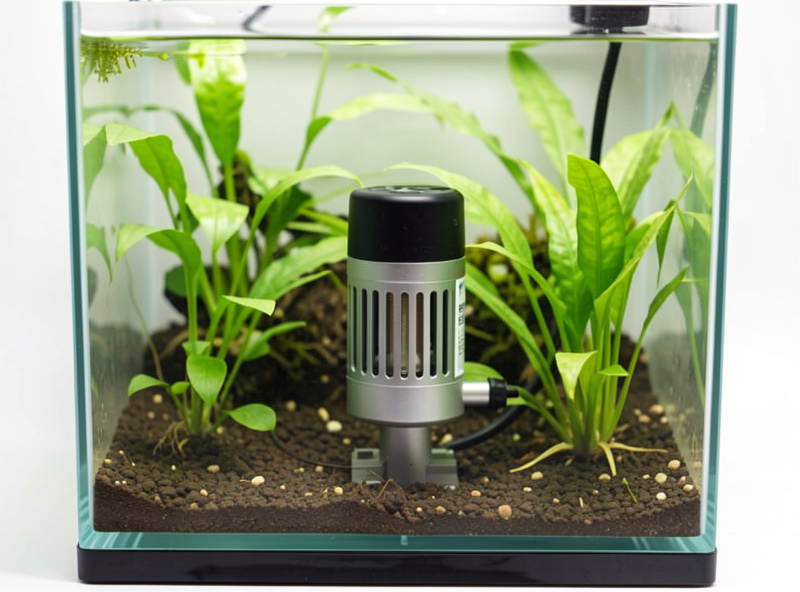
What Cold Water Does to a Betta
Cold water suppresses a betta’s immune system and appetite long before it kills. A chronically cold betta becomes lethargic, eats little, digests poorly, and is far more vulnerable to disease — the stillness that owners read as calm is metabolic shutdown. Cold is not a comfort issue; it is the root cause behind a lot of “mystery” betta illness.
Here is the chain of events I watch for. A cold betta first goes quiet and stops eating much, because its slowed metabolism cannot process food well; uneaten food then fouls the water, compounding the problem. With its immune system dampened by the cold, the fish becomes susceptible to the bacterial and fungal problems that warm-water keeping largely prevents, and fin issues often follow. People then treat the symptom — the fin damage, the lethargy, the lost appetite — without ever fixing the temperature underneath it, which is why I always check the thermometer before anything else. A betta that “won’t eat in its new tank” is very often simply cold, a connection I make in betta not eating in a new tank, and clamped fins frequently trace back to the same place, as in my fin damage prevention checklist.
Sizing and Choosing a Nano Heater
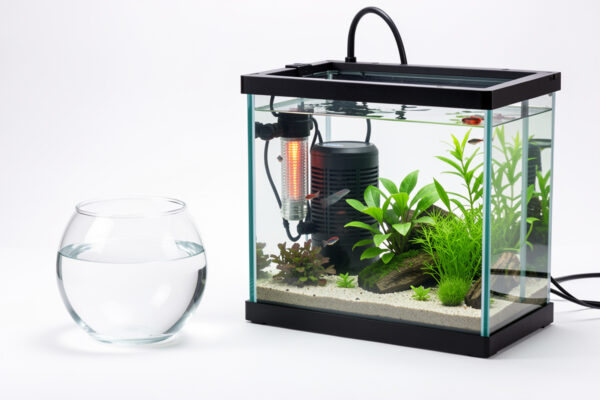
For a betta nano, a small adjustable heater is all you need — the trick is reliability, not wattage. Roughly 25–50 watts suits a 19–38 litre tank, and an adjustable thermostat beats any fixed “preset” model. The component to never cheap out on is the one that fails on, because a stuck-on heater cooks a small tank fast.
Wattage scales with volume and how cold the room runs; the table below is the rough guide I use. More important than the exact watts is choosing an adjustable heater with a thermostat you can set, rather than a preset unit locked to whatever temperature the manufacturer chose. At nano scale a heater failure is more dangerous than in a big tank because small water heats and cools quickly, so reliability is everything — this is the one piece of gear I tell people to buy once and buy well, the case I make in detail in my nano heater reliability guide. A small adjustable nano heater is inexpensive insurance for a tropical fish. As an Amazon Associate I earn from qualifying purchases.
| Tank Volume | Suggested Wattage | Heater Type | Notes |
|---|---|---|---|
| ~10 L | 25 W | Adjustable | Watch for overshoot in small water |
| 19 L (5 gal) | 25–50 W | Adjustable | The honest sweet spot |
| 38 L (10 gal) | 50 W | Adjustable | Most stable, easiest to heat evenly |
| Cold room (any size) | Size up | Adjustable | A cold Swedish winter room needs the higher figure |
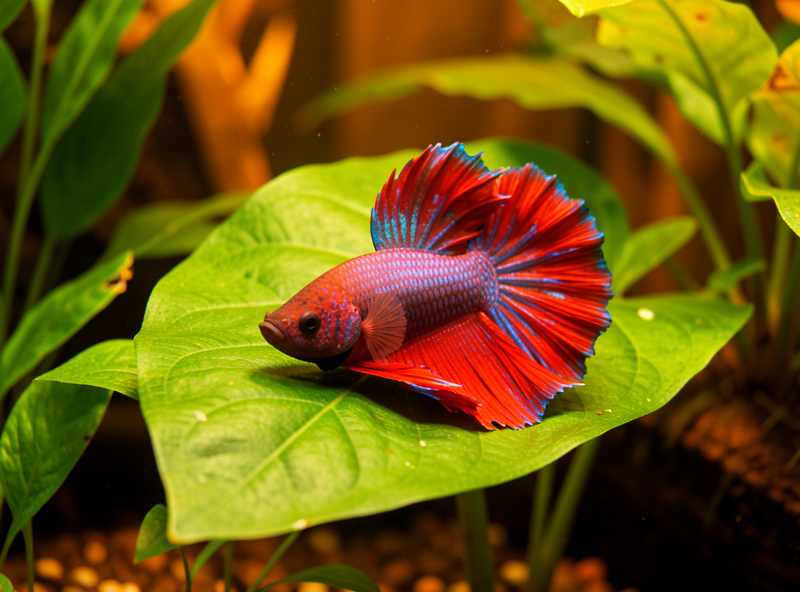
Never Trust the Dial — Verify With a Thermometer
The single most important heater habit is to verify the temperature with a separate thermometer, never the heater’s dial. Heater dials are approximate and drift, and cheap nano heaters in particular overshoot, so an independent thermometer read daily is the only way to know the real temperature. Test, do not guess — the same instrument discipline I use everywhere.
This is the hydroponics reflex transplanted straight into the aquarium. I would never trust a nutrient heater’s setting without measuring the solution, and I treat an aquarium heater the same way: the dial says one thing, the water says another, and only the water matters. A simple stick-on or, better, a standalone digital thermometer in the tank lets me catch a drifting or failing heater before it harms the fish — a slow climb or a creeping drop shows up days before the betta does anything visibly wrong. A cheap aquarium thermometer costs almost nothing and turns temperature from a guess into a number. Watching that number is part of the daily glance that keeps a nano stable, alongside the routines in my nano stability guide and the broader system in my betta nano setup guide.
Frequently Asked Questions
Do bettas really need a heater?
Yes. Bettas are tropical fish that need a stable 25 to 27 C. Most homes run several degrees cooler, which chronically cold-stresses the fish, suppressing its appetite and immune system. A small adjustable heater is essential, not optional, for keeping a betta healthy.
What temperature should a betta tank be?
A stable 25 to 27 C (77 to 81 F). Consistency matters as much as the number, so avoid daily swings. Use an adjustable heater set within that range and verify the actual water temperature with a separate thermometer rather than trusting the heater dial.
What size heater does a betta tank need?
Around 25 to 50 watts for a 19 to 38 litre nano, scaled up if your room runs cold. More important than wattage is choosing an adjustable thermostat heater rather than a fixed preset model, and prioritising reliability since a failed heater harms a small tank quickly.
Can a betta survive without a heater?
It can survive briefly but not thrive. Chronically cold water slows a betta’s metabolism, weakens its immune system, and shortens its life. The labyrinth organ lets it endure poor conditions longer than other fish, which is why the no-heater myth persists, but endurance is not health.
Why should I not trust the heater dial?
Heater dials are approximate and drift over time, and cheap nano heaters often overshoot the set temperature. The only reliable way to know your water temperature is a separate thermometer read daily. This catches a drifting or failing heater before it harms the fish.
My room feels warm. Do I still need a heater?
Almost certainly yes. A room that feels comfortable to you is usually 18 to 21 C, well below a betta’s tropical range, and it swings between day and night. A heater both raises the temperature into range and holds it stable, which a warm-feeling room does not.