Yes — a betta in a bowl is cruel, not because the keeper means harm, but because the physics of a small unheated, unfiltered container guarantee suffering. A bowl cannot hold a stable tropical temperature and cannot process the ammonia a fish produces. Those are not opinions; they are the two measurable reasons the bowl fails every betta put in one.
I do not use the word “cruel” lightly, and I am not interested in shaming anyone who bought a betta in good faith because the shop sold it next to a vase. The cruelty is structural — built into the container before the fish ever arrives. Let me show you exactly where it comes from, in the same chemistry-first terms I would use to explain why a hydroponic reservoir crashes, because the failure mode is identical: too little water, no control, fast swings.
The Two Things a Bowl Physically Cannot Do
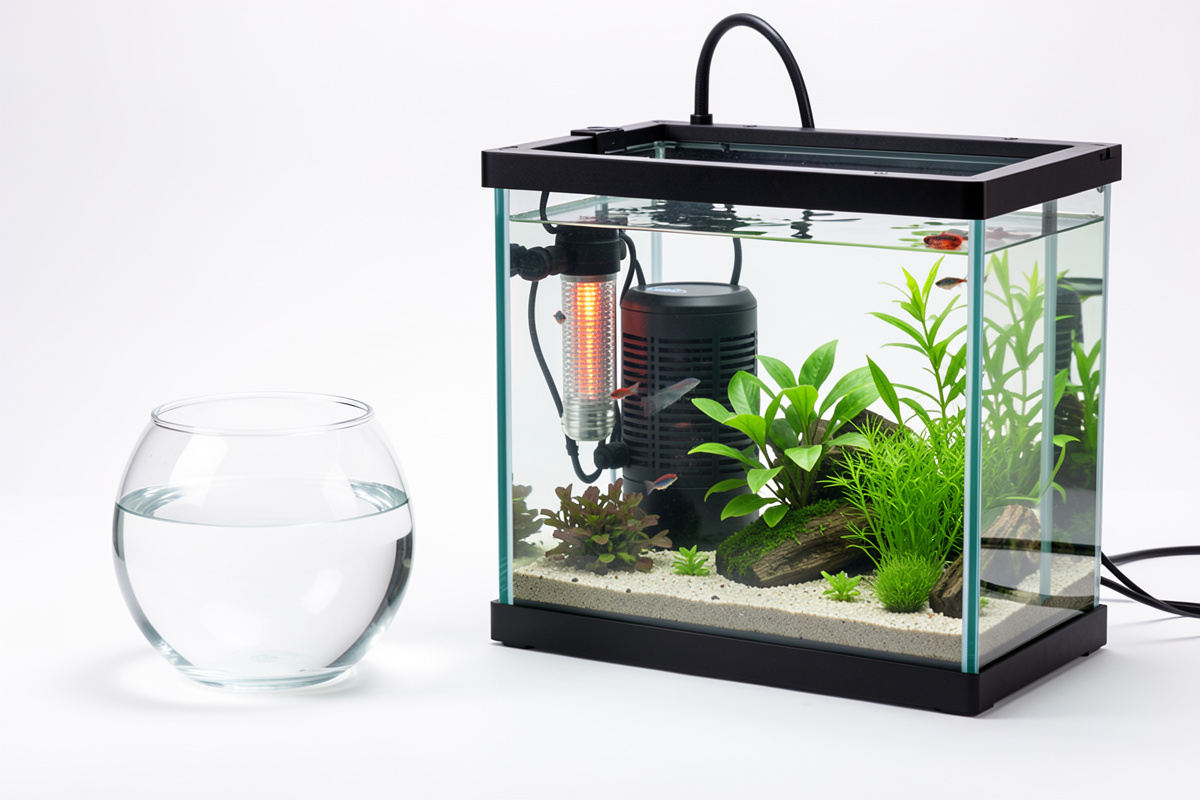
A bowl cannot be heated safely and cannot be filtered, and those two failures are what make it cruel. A betta needs a stable 25–27 C and a biological filter to convert its waste. A bowl provides neither, so the fish lives in cold, swinging, slowly poisoning water from day one.
Start with heat. Aquarium heaters need a minimum water volume to operate without cooking the fish or short-cycling; there is no safe heater for a one-litre bowl, so the water simply tracks the room. Then filtration: the nitrogen cycle that keeps a fish alive depends on a bacterial colony living on filter media and surfaces, fed by steady flow. A bowl has no filter, no flow, and far too little surface for those bacteria, so ammonia from waste and uneaten food has nowhere to go but up. You cannot solve either problem with effort or love. They are properties of the container, which is why the bowl is not a “harder” betta home but an impossible one.
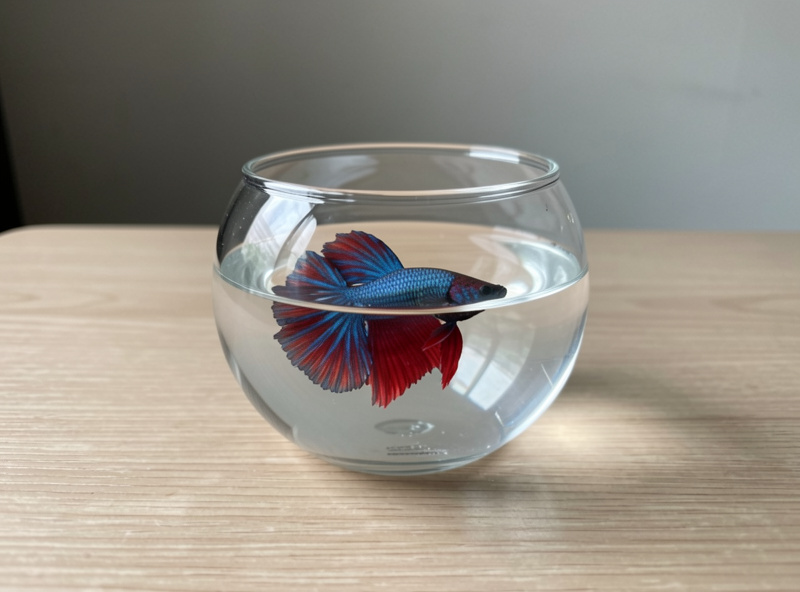
The Temperature Truth: Cold Is a Slow Shutdown
A betta held below its tropical range does not die dramatically — it shuts down slowly. At room temperature, typically 18–21 C, a betta’s metabolism, immune response, and appetite all drop, leaving it lethargic and prone to disease. People read that stillness as “calm.” It is the opposite.
This is the part bowl-keepers misread most often. A cold betta sits at the bottom, barely moving, and looks peaceful. What is actually happening is that its body has throttled down because it is below its functional temperature, the way a tropical plant stalls in a cold greenhouse. Worse, the bowl does not just run cold — it swings, warming in afternoon sun and dropping overnight, and that daily temperature swing is more stressful than a steady-if-cool reading. In my parameter log, instability is the silent killer at small volumes; I cover the mechanism in parameter swings in a small tank. The fix is not a warmer room. It is enough water to hold a heater, which a bowl will never be. The full case for tropical heat is in do bettas need a heater.
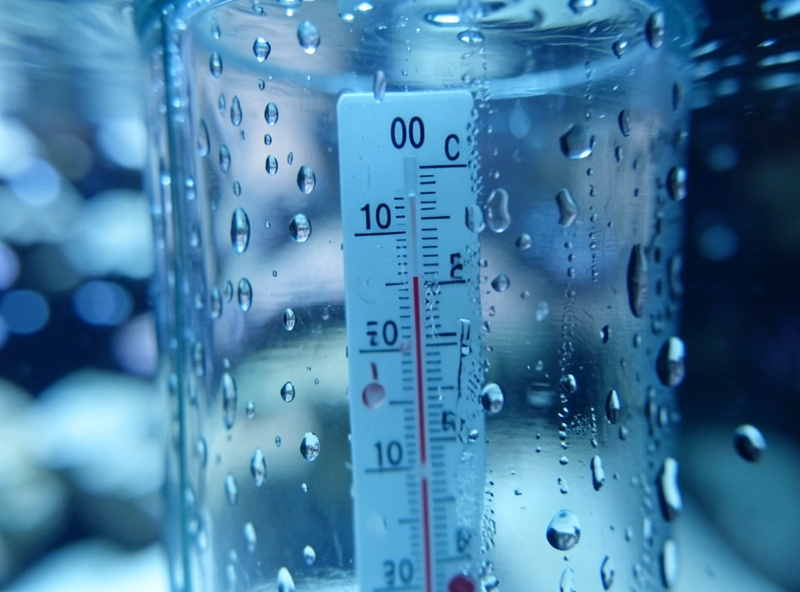
The Ammonia Truth: A Bowl Is a Toxin Trap
Without a cycled filter, a bowl accumulates ammonia until it burns the fish. Ammonia becomes toxic to a betta at well under 1 ppm, and an unfiltered bowl can climb past that within days of feeding. The fish’s frayed fins and laboured breathing are chemical burns, not bad luck.
Here is where the “but my betta lived for months in a bowl” stories come from, and why they mislead. The labyrinth organ lets a betta gulp air, so it does not suffocate as the water degrades the way another fish would — it endures, visibly deteriorating, for longer than seems possible. That endurance is exactly what makes the bowl insidious: the fish does not die fast enough to make the cause obvious. Anyone keeping a betta should own a liquid test kit and watch ammonia and nitrite, because numbers do not lie the way a still fish does. If the nitrogen cycle is unfamiliar, my honest cycle guide explains why the bacterial colony a bowl cannot host is the whole basis of keeping a fish alive.
“But My Betta Seems Fine” — Reading the Real Signals
A betta that “seems fine” in a bowl is usually showing early stress signs the keeper has not learned to read. Clamped fins, faded colour, lethargy, gasping at the surface, and refusing food are the bowl’s fingerprints — and they appear long before the fish dies. “Fine” too often means “still alive.”
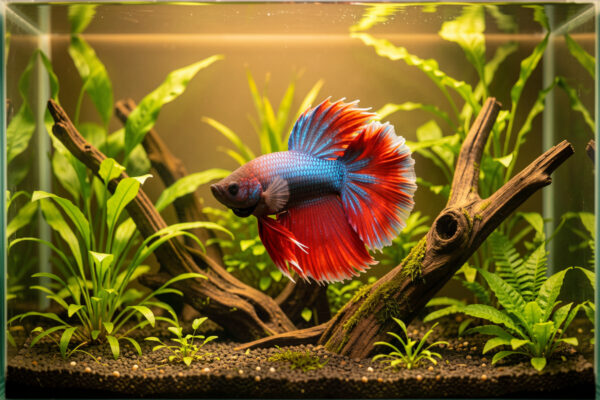
I am not trying to make anyone feel guilty; I am trying to recalibrate what “fine” looks like. A genuinely thriving betta is brightly coloured, has flowing unclamped fins, patrols its territory, flares at its reflection, and may build bubble nests. A bowl betta typically does none of those things — it hangs listless, colour dulled, fins tight to the body. Once you have seen a betta in a proper heated, planted, cycled tank, the difference is unmistakable and a little hard to unsee. That contrast is the entire argument: not that bowl-keepers are bad people, but that the animal is capable of so much more when the water is right.
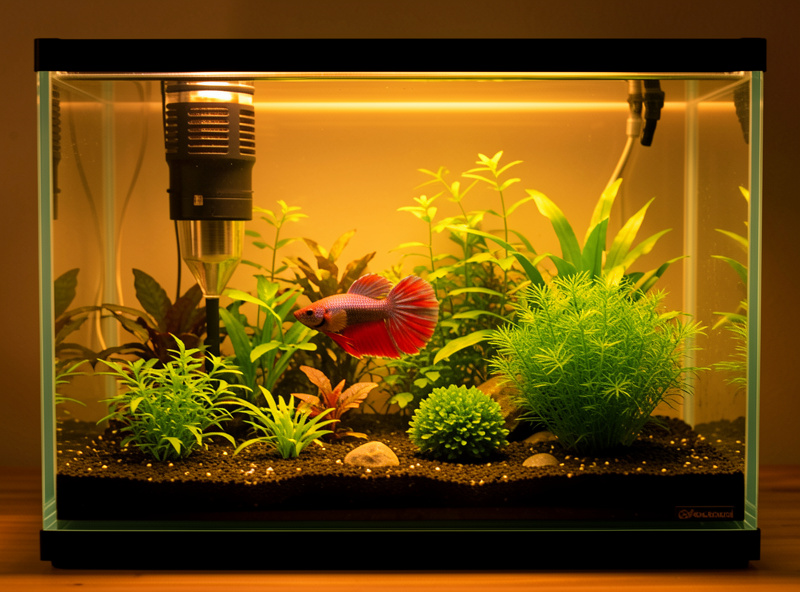
The Kind Alternative Is Cheaper Than You Think
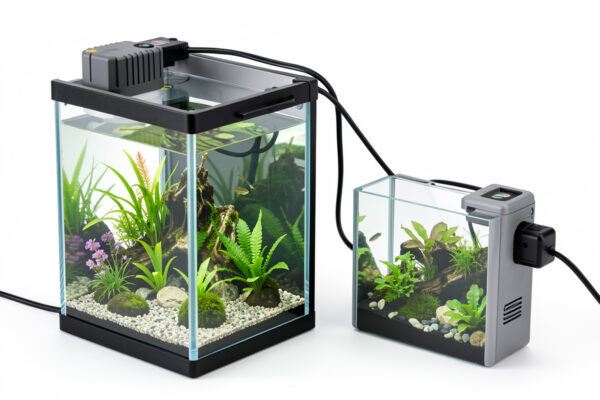
The fix for a bowl is not expensive — it is a small, complete system. A 19-litre tank, a 25 watt heater, a sponge filter, a thermometer, and a few easy plants will keep a betta well for years for roughly the price of a couple of takeaways. The barrier was never cost; it was knowing what the fish actually needs.
If you are reading this with a betta in a bowl right now, the path forward is simple and not a cause for panic: get it into adequate, heated, cycled water and the animal will recover in front of you — colour returning, fins relaxing, behaviour waking up. Start with my complete betta nano setup guide for the whole system in order, confirm the volume question in the real minimum tank size for a betta, and lean on the nano stability guide for the routine that keeps it easy. A betta is not a disposable decoration; it is a fish that lives three to five years when kept honestly. The bowl was always the cruel option. The kind one is within reach.
Frequently Asked Questions
Is keeping a betta in a bowl actually cruel?
Yes. A bowl cannot be safely heated or filtered, so the betta lives in cold, swinging water that slowly accumulates toxic ammonia. The cruelty is structural, built into the container, not a matter of how much the keeper cares. The smallest kind option is a heated, filtered 19-litre tank.
But bettas live in puddles in the wild, right?
This is a myth. Wild bettas live in warm, vegetated, slow-moving shallows and rice paddies, not stagnant puddles. Those habitats are large, planted, and tropically warm. A glass bowl on a shelf shares none of those qualities except being small.
My betta has lived in a bowl for a year. Doesn’t that prove it works?
It proves bettas endure, not that bowls work. The labyrinth organ lets a betta breathe air and survive degrading water far longer than other fish. Surviving a year while stressed and faded is not the same as thriving for the three to five years good husbandry allows.
What is the cheapest proper setup to replace a bowl?
A 19-litre tank, a small adjustable heater, a sponge filter with an air pump, a thermometer, and a few hardy plants. Together these cost about the same as a couple of takeaway meals and will keep a betta healthy for years, which a bowl never can.
Can I make a bowl work with water changes alone?
No. Frequent water changes can slow ammonia buildup but cannot heat the water or provide a stable cycled environment, and the constant disturbance adds its own stress. There is no routine that fixes a container too small to hold a heater and a filter.