Most betta fin damage is a husbandry problem wearing a disease costume, and the prevention is almost entirely about water, temperature, and tank hazards. Clean, warm, stable water plus snag-free decor and gentle flow prevents the vast majority of fin loss — far more than any bottle on the shop shelf ever will. Get the husbandry right and fins stay whole.
I want to be clear about scope from the start: this is a prevention checklist, not a treatment guide. Diagnosing and medicating a genuinely sick fish is a job for an aquatic vet or fish-health specialist, and I will not pretend otherwise. What I can do — and what actually prevents most cases — is run the husbandry like the controlled system it is, the way I keep my own tanks on a parameter log. Here is the checklist I work through whenever a betta’s fins start to look wrong.
Water Quality Comes First, Always
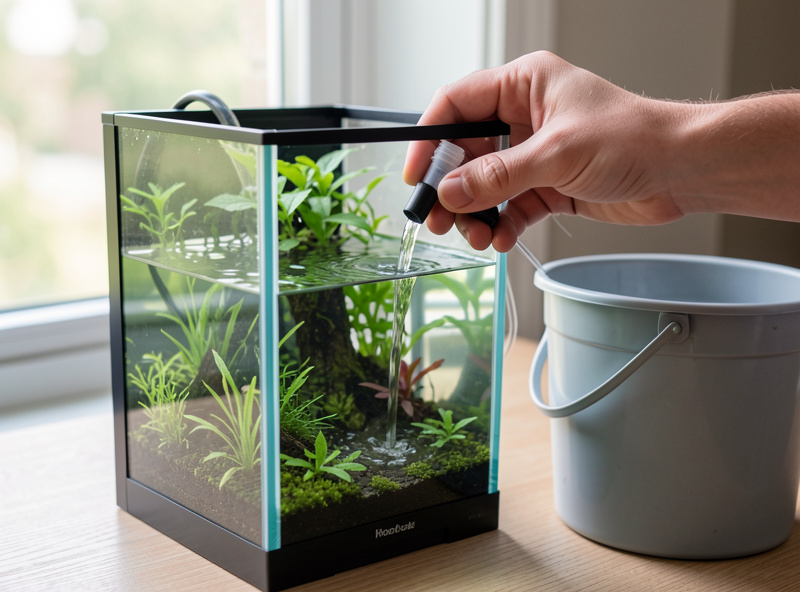
Poor water quality is the number-one cause of betta fin deterioration, and it is the first thing to check. Ammonia and nitrite should read zero and nitrate should stay low; any ammonia at all irritates and erodes delicate fin tissue. Fin edges that look frayed, milky, or are receding usually point straight back to the water, not to bad luck.
The mechanism is simple chemistry. Ammonia and nitrite are tissue irritants, and a betta’s large, thin fins are among the first parts to show the damage as edges break down. This is why I reach for a test kit before anything else — the numbers tell me in minutes whether the water is the culprit. A betta in an uncycled or under-maintained tank is essentially sitting in a mild chemical irritant, and no amount of treatment fixes fins while that continues. If the cycle is the issue, my honest nitrogen cycle guide and the double-zero test pattern are where to start, and a liquid test kit is the tool that turns a guess into a diagnosis. As an Amazon Associate I earn from qualifying purchases.
Temperature and Stability
Cold and swinging water suppresses the immune response that keeps fins healthy. A stable 25–27 C lets a betta’s immune system function and its fins heal; chronic cold leaves the fish vulnerable to the bacterial and fungal issues that attack fins. Temperature is a fin-health variable, not just a comfort one.
A betta that is too cold heals slowly and fights infection poorly, so minor fin wear that a warm fish would shrug off can progress instead. Just as damaging is instability — a tank that swings several degrees between day and night keeps the fish stressed, and stress is an immune suppressant. This is the same small-water problem I keep returning to: little volumes swing fast, as I explain in parameter swings in a small tank. The fix is a reliable heater verified with a separate thermometer, the case I make in do bettas need a heater. Warm, steady water is doing quiet preventive work on those fins every hour of every day.
Hunt Down the Physical Hazards
Torn fins, as opposed to rotting ones, usually come from something in the tank. Sharp decor, rough plastic plants, narrow gaps, and a too-strong filter intake all snag and rip a betta’s fins. A simple test: if pantyhose snags on it, it will snag a betta’s fins.
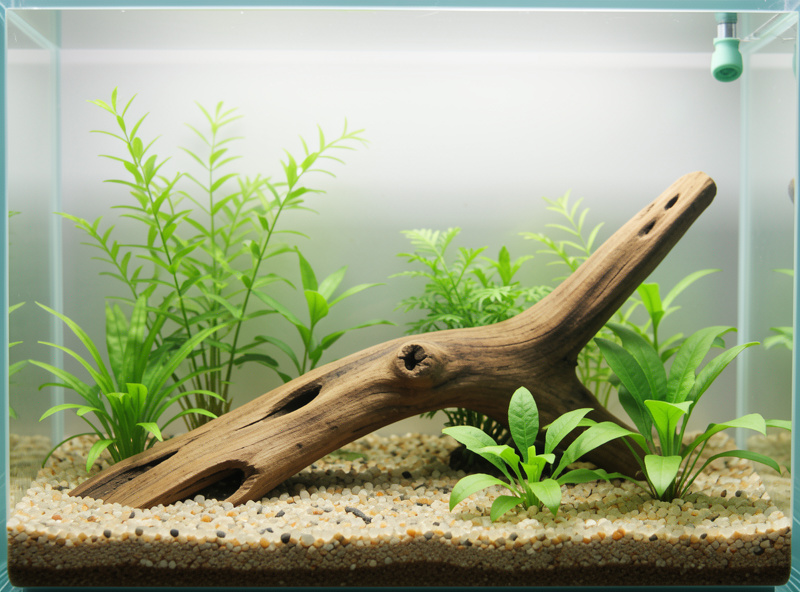
Long-finned bettas are clumsy and their fins are fragile, so the tank itself has to be made fin-safe. I run a hand and a stocking over any new decor before it goes in, swap hard plastic plants for silk or live ones, and make sure there are no tight gaps a betta can wedge into. The filter intake is a frequent culprit — a betta can get pinned against a bare strainer — which a pre-filter sponge solves while also gentling the flow, as I cover in betta and filter flow. Live plants are the safest furnishing of all and bring their own benefits, which is why I favour them; the betta-appropriate shortlist is in best plants for a planted betta nano. Telling a tear from rot matters: a clean split that stays put between water tests is mechanical damage and will regrow in good water, whereas a receding, discoloured edge points back to water quality.
Reduce the Stress Load
Chronic stress quietly undermines fin health by keeping the immune system suppressed. Strong flow the betta must fight, no cover to retreat to, constant disturbance, and overcrowding all keep stress high and healing low. A calm, well-furnished tank is preventive medicine you only have to set up once.
Stress is the thread connecting most of this checklist. A betta endlessly battling a current, or exposed in a bare tank with nowhere to hide, or sharing too little water with tankmates it did not choose, lives with elevated stress hormones that blunt its immune response and slow fin regrowth. The fixes are the same ones that make a good betta tank generally: gentle flow, dense planting for cover and broken sightlines, a sensible single-fish stocking level, and a quiet location away from constant foot traffic. I keep tankmates minimal for exactly this reason, a stance I lay out in betta tankmates that work in a nano. Lower the stress and you raise the fish’s own capacity to keep its fins intact.
What Healthy Fins Look Like — and Normal Variation
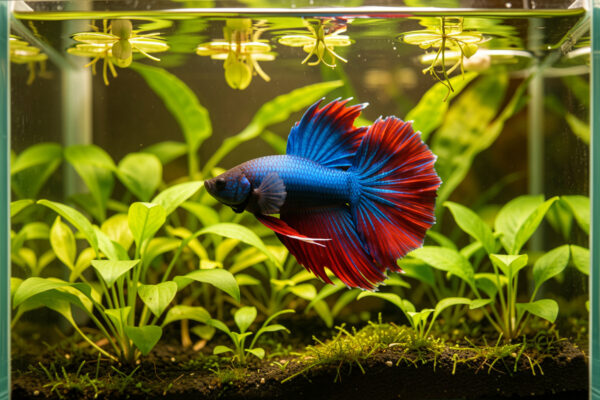
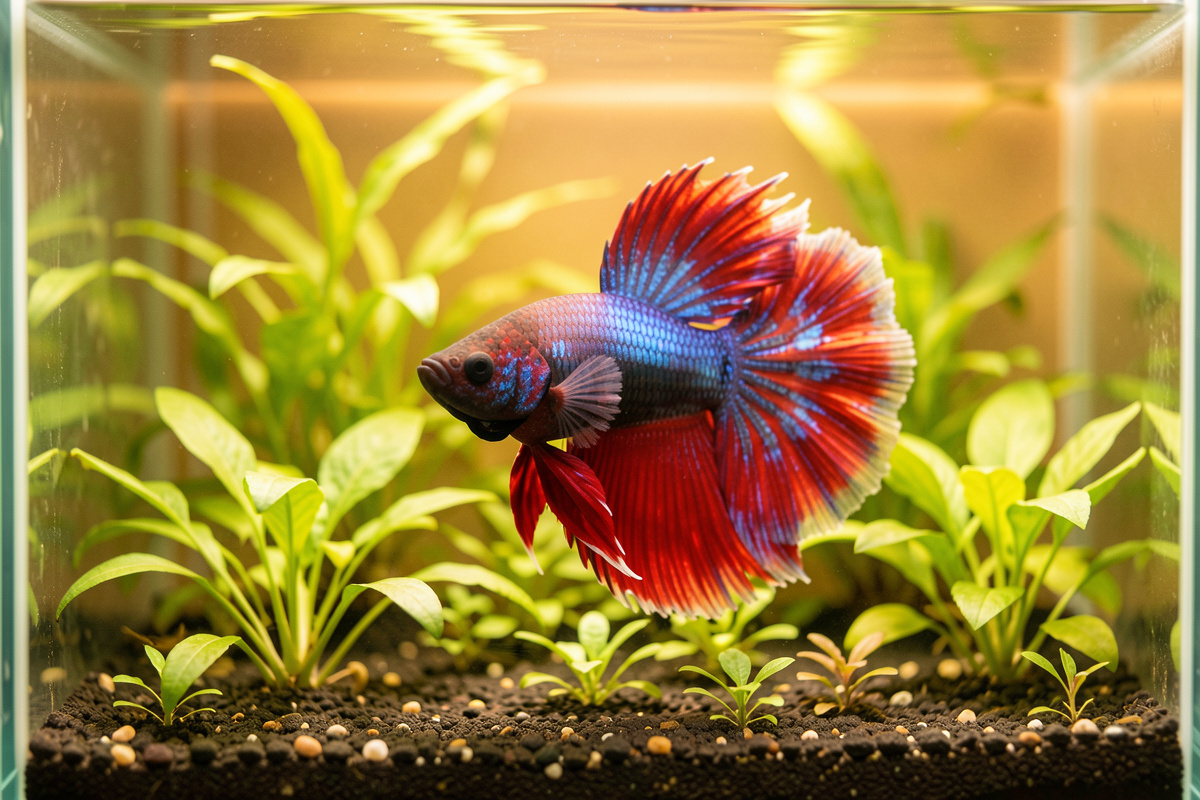
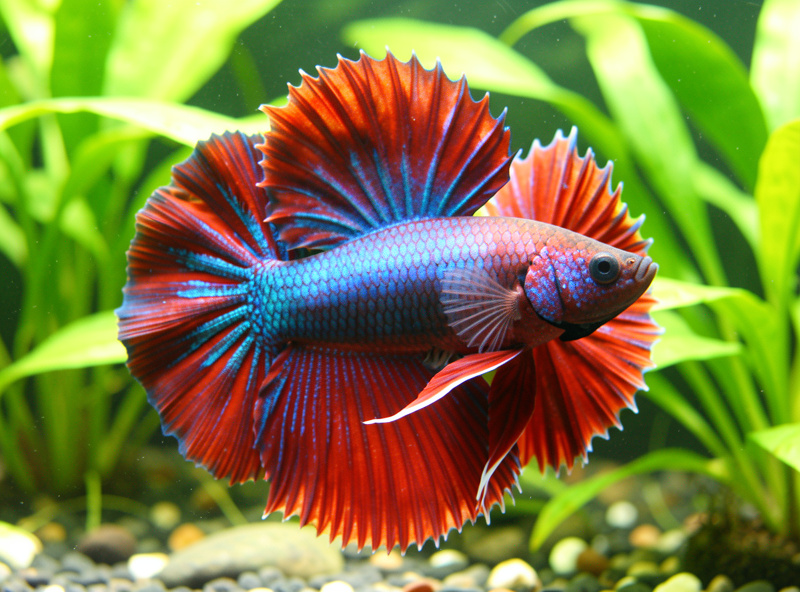
Knowing what healthy fins look like makes problems obvious early. Healthy betta fins are smooth-edged, evenly coloured, and held loosely open, with no white fuzz, no black or red receding margins, and no sudden ragged gaps. Learn your individual fish’s baseline and you will spot a real change the day it starts.
It helps to know what is not a problem, because anxious new keepers often misread normal features as damage. Many bettas have natural colour variation along the fin edges, and some varieties show translucent or differently coloured margins that are simply their pattern. Crowntail bettas have spiky, webbed-back fins by design, which beginners sometimes mistake for tearing. Fins also grow, and fresh growth often comes in clear or pale before it colours up, which can look alarming but is actually the regrowth you want. The way to tell signal from noise is observation over time: a clean edge that holds steady across several water tests is fine, whereas an edge that is actively receding, fuzzing, or darkening between checks is the change worth acting on. This is exactly why I keep notes — a glance at last week’s observation turns “is that new?” into a definite yes or no.
How Fins Regrow When the Water Is Right
The encouraging truth is that betta fins regenerate well once conditions are corrected. In clean, warm, stable water a betta will regrow torn or eroded fin tissue over a span of weeks, and the new growth is a visible sign the husbandry is now right. You do not heal fins with a product; you create the conditions and the fish does the rest.
When I see new growth coming in — that pale, clear fringe extending from the damaged edge — I treat it as confirmation the parameters are where they should be, not as something to intervene in further. The regrowth can sometimes come back slightly different in shape or colour from the original, which is normal and nothing to worry about. The keeper’s whole job during regrowth is to keep doing the boring, correct things: zero ammonia, steady warmth, gentle flow, snag-free decor, and unhurried weekly water changes. Resist the urge to add treatments to “speed it up”; in a small tank, extra chemistry is more likely to destabilise the water than to help, and stability is precisely what regrowth needs. Patience and a clean tank do the work, the same low-drama maintenance philosophy behind my whole approach to nano stability.
When Prevention Is Not Enough
If fins keep deteriorating after the husbandry is genuinely dialled in, that is the point to seek expert help. Persistent or worsening fin loss despite zero ammonia, stable warmth, gentle flow, and snag-free decor may be infection or injury that needs a vet or fish-health specialist. Diagnosis and medication are their territory, not mine.
I draw a firm line here on purpose. Husbandry is what I can speak to with confidence, and the truth is that the overwhelming majority of fin problems resolve once the water, the warmth, the flow, and the hazards are sorted — good water heals more fins than any treatment. But a fish that continues to decline with the husbandry verifiably correct deserves a professional opinion rather than my guesswork or a randomly chosen bottle. Keep your parameter log handy when you ask for help; being able to show that ammonia has read zero, the temperature has held, and the flow is gentle gives a vet a real starting point and rules out the causes you can control. Prevention is the part within your hands, and run this checklist consistently and you will rarely need the rest. The whole husbandry system it fits into is in my betta nano setup guide, with the daily and weekly rhythm in my water change cadence guide.