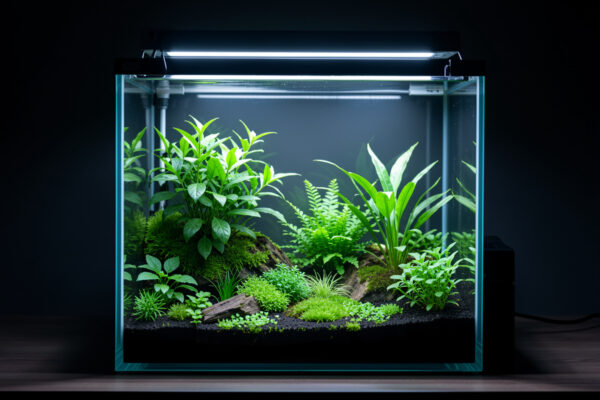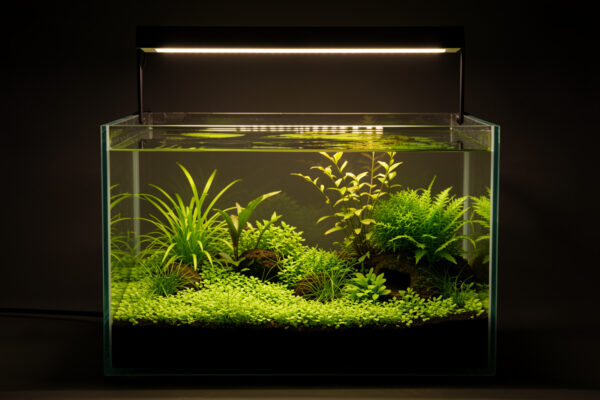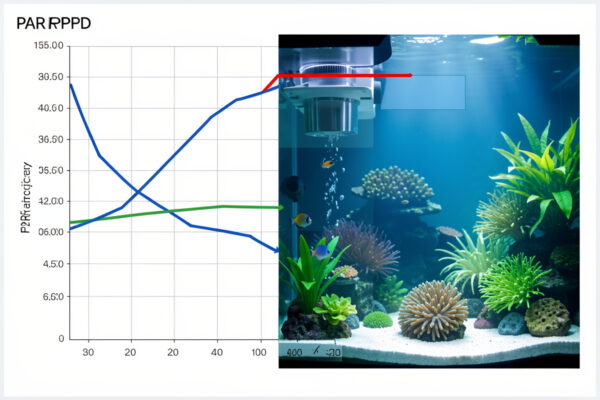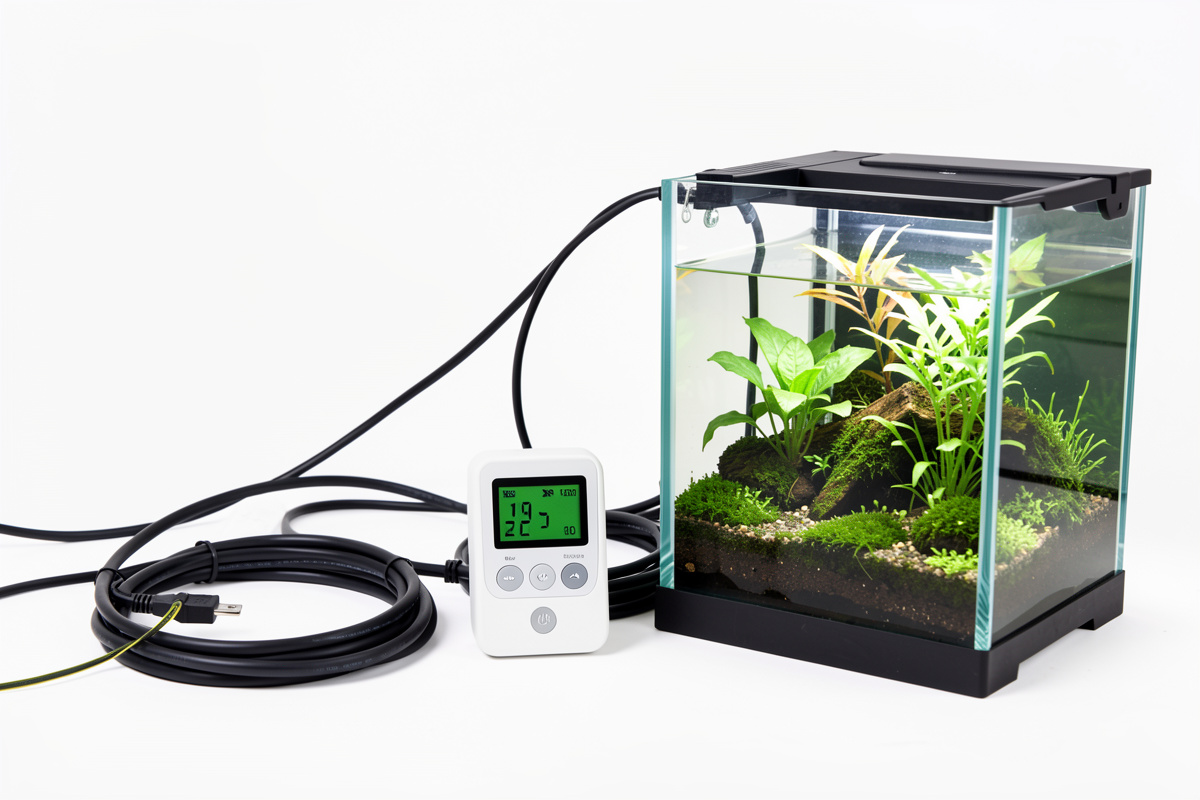
A timer makes your nano light consistent; a dimmer makes it controllable — and together they prevent more algae than any product on the shelf. The best nano lighting setup is a dimmable LED on a schedule that ramps up, holds a steady mid-day intensity for six to eight hours, then ramps down. Consistency plus the ability to dial intensity down is the whole game.
I run my high-tech tank entirely on a schedule and a ramp, and the dimmer is how I tame an over-bright fixture without ever uprooting a plant. This guide covers the schedules I actually use, how to set a ramp, and why a $10 timer is the highest-value purchase in the hobby. It is the automation half of the dose logic in the nano lighting guide.
Why a Timer Is Non-Negotiable
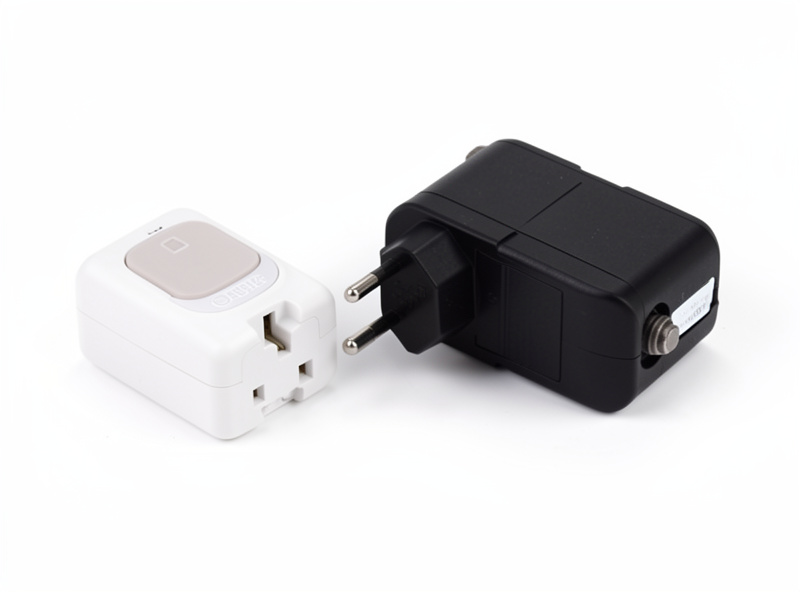
A timer is the single most important accessory in nano lighting because plants thrive on a rhythm and humans are terrible at keeping one. A light switched by hand runs four hours one day and ten the next, and that drift never lets the tank settle — inconsistent light is a leading cause of algae in otherwise healthy nanos, a point Aquarium Co-Op’s lighting primer makes as well.
A cheap mechanical timer fixes this for a few kronor; a smart plug does the same with phone control and is worth the small premium if you like the convenience. Either way, set it and stop touching the light manually. The exact number of hours to program is covered in the light duration guide — for most tanks, six to eight — but the timer is what makes those hours mean anything day after day.
What a Dimmer Adds That a Timer Cannot
A dimmer controls intensity, and intensity is the lever a plain timer cannot touch. With a dimmable light you can run a strong fixture at 50% over a low-tech tank, ramp it up gradually as a scape matures, and — most importantly — pull intensity back the instant algae appears, all without rescaping or swapping hardware.
This is why I rate a dimmable light above a brighter fixed one. On my rimless tank, when green spot algae starts creeping onto the glass, I drop the intensity ten or fifteen percent and hold it — problem solved, no chemicals, no teardown. A non-dimmable light gives you only one knob, hours, so you lose your finest control. If you can buy one feature, buy dimmability, as I argue in best LED light for a nano planted tank.
The Ramp: Sunrise and Sunset for Your Tank
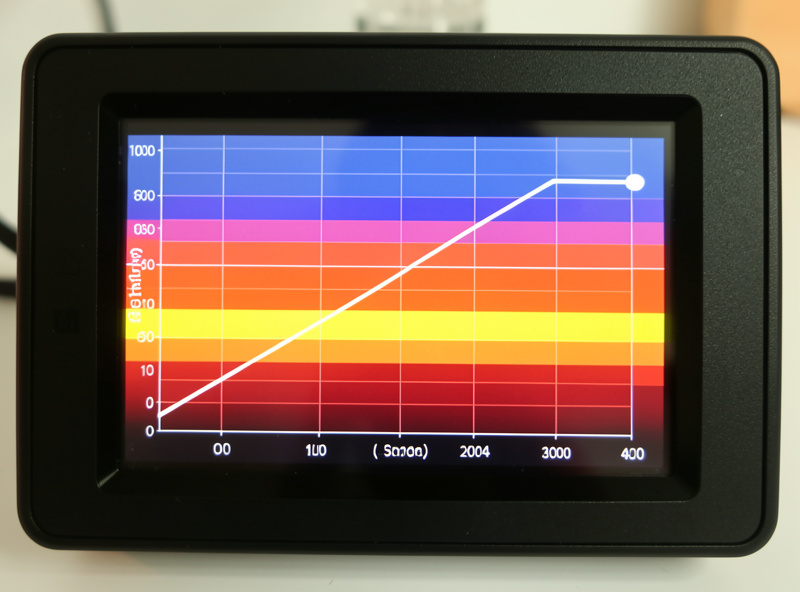
A ramp gradually raises intensity at the start of the photoperiod and lowers it at the end, mimicking dawn and dusk rather than slamming the light to full instantly. It looks natural, it is gentler on skittish fish and shrimp, and a slower start gives algae less of a sudden energy spike to exploit.
Most controller-equipped lights have a built-in ramp; set 20 to 30 minutes up and the same down around your main block. If your light lacks a controller, you cannot ramp — another reason a dimmable fixture earns its keep. On my Neocaridina tank the gentle ramp visibly reduces the startle response; the colony stays out grazing instead of bolting when the light hits. The livestock benefit matters as much as the plant one, which ties into the husbandry in the cherry shrimp guide.
Sample Schedules That Work
Here are three schedules I have run successfully, scaled to tank type. Each keeps the high-intensity block to six to eight hours and uses ramps where the hardware allows. Treat these as starting points and adjust by watching the glass — the tank always gets the final vote.
| Tank type | Ramp up | Full intensity block | Ramp down | Peak intensity |
|---|---|---|---|---|
| Low-tech nano (budget light) | n/a (on/off timer) | 6–7 hours | n/a | 100% (modest light) |
| Low-tech nano (dimmable) | 20 min | 6 hours | 20 min | 60–70% |
| High-tech CO2 nano | 30 min | 6–7 hours | 30 min | 70–90%, tuned to scape |
| New tank (first weeks) | 15 min | 5 hours | 15 min | 40–50% |
Aligning the Light With CO2 and Feeding
On an injected tank, time the CO2 to come on an hour or two before the light ramps up and off an hour before lights out, so peak CO2 meets peak light (the same CO2-with-light timing seasoned planted keepers run). This alignment is the difference between a high-tech tank that pearls and one that grows algae, and the timer and a CO2 solenoid timer do it automatically once set.
For low-tech tanks there is no CO2 to time, which is one more way they are simpler. Feeding livestock is best done during the lit hours when you can see the animals and watch them eat. None of this is complicated, but it is all easier when the schedule is automated rather than improvised. The broader balance of light, CO2 and nutrients — and what happens when it tips — is in algae from too much light in a nano.
Setting and Forgetting It Properly
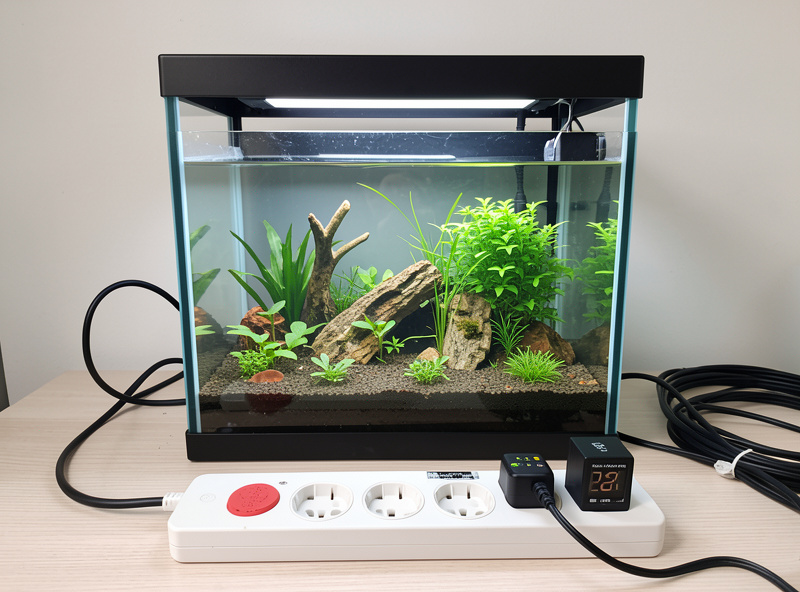
Once your schedule is dialled in, the goal is to leave it alone — constant fiddling is its own source of instability. Set the hours, set the ramp and peak intensity, align CO2 if you inject, and then only change one variable at a time when the tank tells you to, logging what you did. That discipline is exactly how I run every parameter on every tank.
A good schedule turns lighting from the thing that goes wrong into the thing you never think about. Pair it with a finished cycle, a stable tank and the right plants for your light, and the nano largely runs itself. For the full lighting picture, head back to the nano lighting guide.
Frequently Asked Questions
Do I need a timer for a nano aquarium light?
Yes. Plants thrive on a consistent daily rhythm, and a cheap mechanical or smart timer delivers that far better than manual switching. Inconsistent, drifting light is a leading cause of algae in otherwise healthy nano tanks.
What does a dimmer do that a timer cannot?
A dimmer controls intensity, not just hours. It lets you run a strong light lower over a low-tech tank, ramp up as a scape matures, and pull intensity back the instant algae appears, without rescaping or swapping hardware.
What is a light ramp and do I need one?
A ramp gradually raises intensity at the start of the photoperiod and lowers it at the end, like a sunrise and sunset. It is gentler on fish and shrimp and gives algae less of a sudden energy spike. It is a nice-to-have, not essential.
What is a good lighting schedule for a low-tech nano?
A six to seven hour block on a timer, or six hours at 60 to 70 percent on a dimmable light with short ramps. Start shorter on a new tank and lengthen only once it is mature and the glass stays clean.
How should I time CO2 with my light?
On an injected tank, switch CO2 on one to two hours before the light ramps up and off about an hour before lights out, so peak CO2 meets peak light. A solenoid on a timer does this automatically. Low-tech tanks need no CO2 timing.