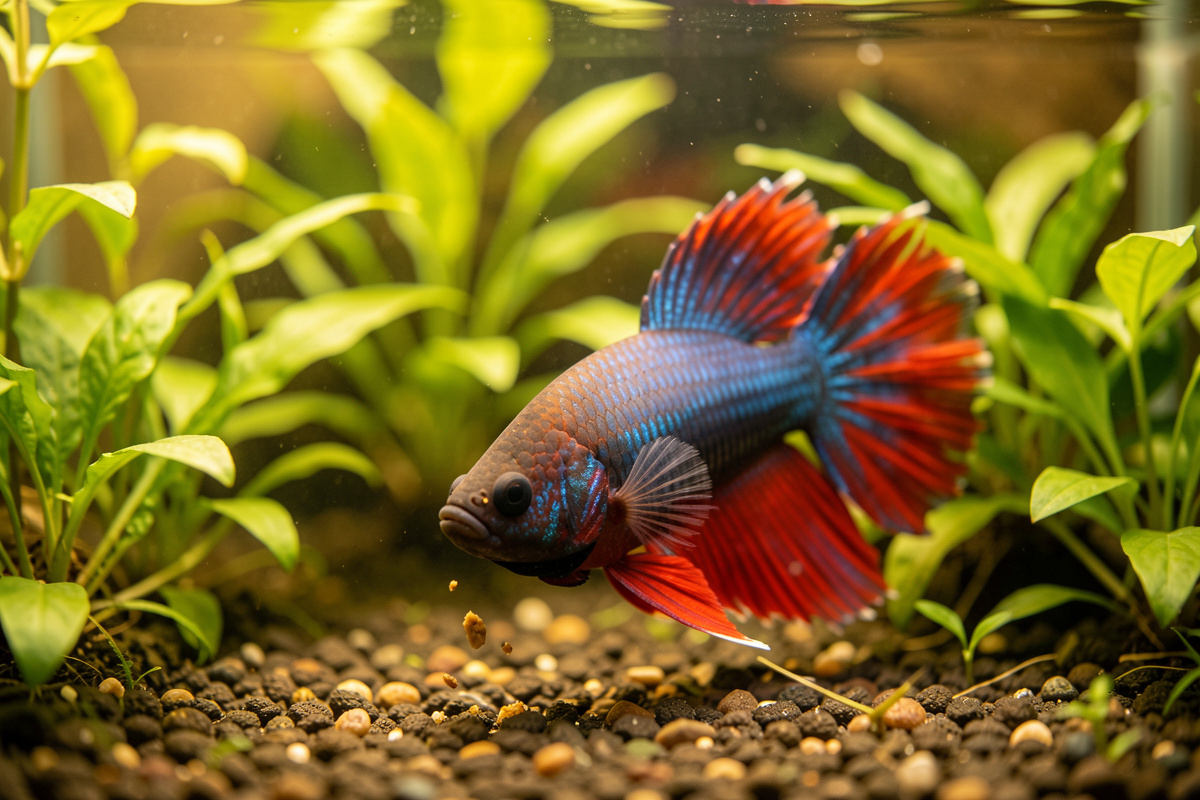
A betta that stops eating in a new tank is almost always reacting to husbandry, not to illness. Stress from the move, water that is too cold, and an uncycled tank are the three causes to rule out first, and they explain the large majority of new-tank hunger strikes. Check the husbandry before you ever assume the fish is sick.
This is the message I find myself sending most often, because the instinct when a new betta refuses food is to panic and reach for medication. Resist it. A betta settling into a new home commonly skips meals for a few days, and the fix is usually a thermometer reading and a water test, not a treatment. I work these problems the way I work any system fault — check the measurable causes in order, cheapest and most likely first — and the appetite almost always returns once the conditions are right. Here is that diagnostic order.
First: It Is Probably Just Stress and Time
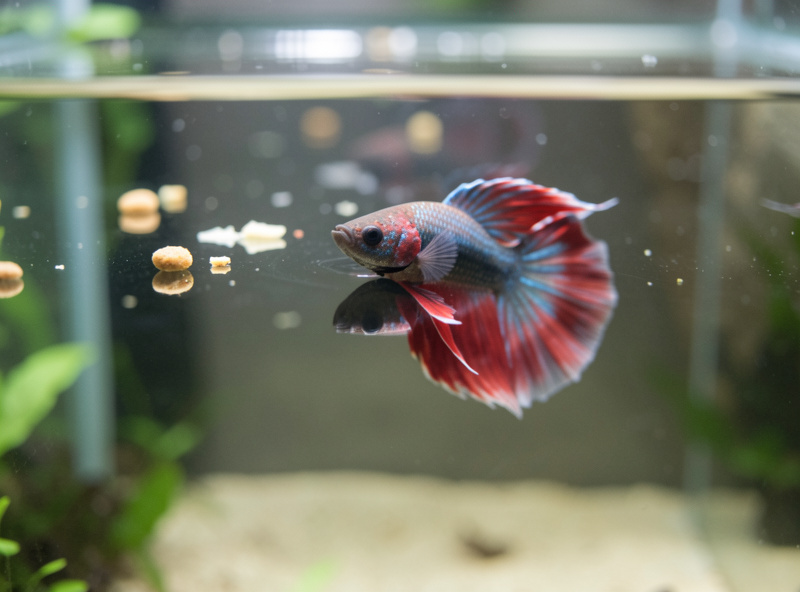
A brand-new betta refusing food for a few days is normal and expected. The move from shop cup to new tank is a major upheaval, and many bettas need several days to settle before they eat confidently. A short hunger strike in the first week, with no other symptoms, is rarely a cause for alarm on its own.
Put yourself in the fish’s position: it has been netted, bagged, transported, and tipped into an unfamiliar environment with different water, different light, and no established sense of safety. A stressed betta prioritises hiding and assessing over eating, and that is a healthy survival response, not a medical problem. Give it calm: dim the lights for the first day or two, keep your face away from the glass, and do not chase it around trying to feed. Offer a little food once a day and simply remove what it ignores so it does not foul the water. Most bettas begin eating within three to seven days as they recognise the tank as home. The way you introduced the fish matters here too — a careful drip acclimation, which I describe in my betta nano setup guide, reduces the shock that suppresses appetite in the first place.
Second: Check the Temperature
Cold water is the most common physical reason a betta will not eat. Below its tropical range, a betta’s metabolism slows and its appetite drops, so a tank sitting under 24 C will often produce a fish that simply is not hungry. Verify the temperature with a thermometer before assuming anything worse.
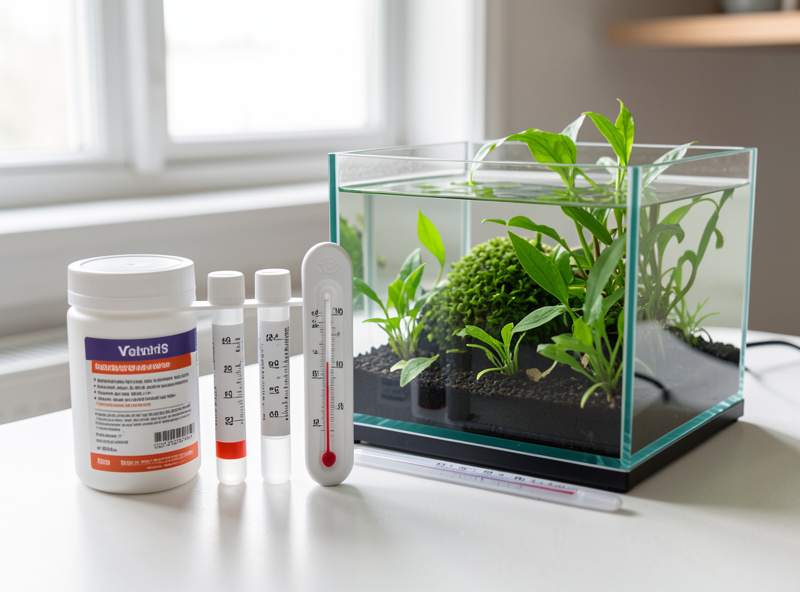
This one catches people constantly, especially with a new setup where the heater may be undersized, set too low, or not yet keeping up. A betta is a tropical fish that wants a stable 25–27 C, and digestion is temperature-dependent — a cold betta cannot process food well, so it stops asking for it. I never trust a heater dial, so I check the actual water temperature with a separate thermometer, and more than once that single reading has been the whole answer. If the tank is running cold, that is the problem to fix first, and the full case is in do bettas need a heater. Bring the water into range and hold it steady, and a cold-suppressed appetite usually comes right back within a day or two.
Third: Test the Water — Is the Tank Cycled?
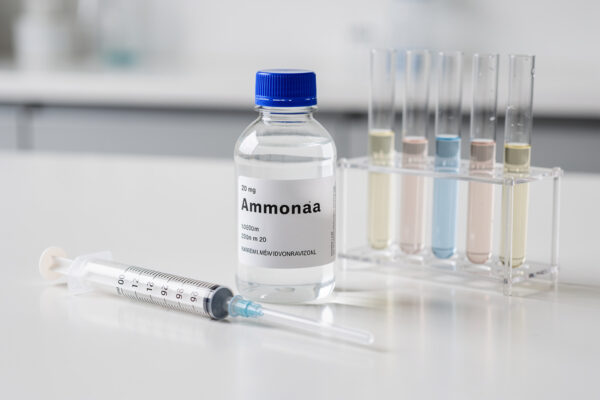
An uncycled tank is the most serious husbandry cause of a betta not eating. Ammonia or nitrite in the water stresses and sickens the fish, and a betta in a tank that was never cycled is being slowly poisoned, which kills appetite among the first symptoms. Only a liquid test kit reveals this; the water can look perfectly clear.
If the tank is brand new and you added the betta straight away — the classic and understandable beginner mistake — there is a real chance the nitrogen cycle was never established, and the fish is sitting in rising ammonia. This is exactly why I treat a test kit as essential equipment, not optional: clear water tells you nothing, but numbers tell you everything. Test for ammonia and nitrite; both should read zero. If they do not, the immediate response is conservative water changes to dilute the toxins while the cycle catches up, and learning the cycle properly through my honest nitrogen cycle guide, the fishless cycle walkthrough, and the double-zero test pattern that confirms a tank is safe. A refused meal is sometimes the first visible sign of a water-quality problem that a test would have caught days earlier — another reason the chemistry-first habit pays off. The small-water context, why a new nano can swing into trouble fast, is in parameter swings in a small tank.
Less Common Causes Worth Knowing
Once stress, temperature, and water quality are ruled out, a few smaller causes remain. A fussy fish refusing unfamiliar food, mild constipation from overfeeding, or simple overfeeding so it is never hungry can all look like a hunger strike. These are husbandry tweaks, not emergencies.
Bettas can be genuinely picky, and a fish used to one brand of pellet at the shop may snub a different food at first — persistence and variety, including the occasional frozen or freeze-dried treat, usually wins it over. Overfeeding is the opposite problem disguised as the same symptom: a betta fed too much, or fed by several family members who each think it is hungry, simply has no appetite, and a fast day or two resets it. Mild bloating from overfeeding can also dampen eating, which a lighter feeding routine addresses. None of these are dramatic, and all of them resolve with the small, measured feeding discipline I describe in the setup guide — feed only what the fish clears in a couple of minutes, once or twice a day, and remove the rest.
When to Stop Diagnosing and Get Help
Husbandry fixes the vast majority of cases, but know where your lane ends. If the betta still refuses food after the water tests clean, the temperature holds in range, and a week or more has passed — especially with other symptoms like lethargy or visible marks — that is the point to consult an aquatic vet. Diagnosis and treatment of a genuinely sick fish are specialist territory.
I am deliberately strict about this boundary. I can help you get the husbandry provably right, and that alone resolves most new-tank feeding problems. But I will not guess at diseases or medications, because that is a job for a fish-health professional and getting it wrong does harm. If you have worked through stress, temperature, and a confirmed-clean cycled tank and the fish is still not eating after a week or more, bring your parameter log to a vet — showing that ammonia reads zero, the temperature has held at 26 C, and the tank is established gives them a real starting point and rules out everything you can control. Run the husbandry checklist first, every time; it is both the most likely fix and the information any professional will want anyway.
Frequently Asked Questions
Why is my new betta not eating?
Usually husbandry, not illness. The three causes to rule out first are stress from the move, water that is too cold, and an uncycled tank with ammonia present. A new betta commonly skips meals for several days while settling in, which on its own is normal.
How long can a betta go without eating?
A healthy betta can safely go several days to over a week without food, so a short new-tank hunger strike is not an emergency. Use the time to check temperature and test the water rather than force-feeding. Persistent refusal beyond a week with other symptoms warrants expert advice.
Should I be worried if my betta skips food for a few days?
Not on its own. A few days of reduced appetite after moving to a new tank is a normal stress response. Keep the lights dim, avoid crowding the glass, offer a little food once a day, and remove what is ignored. Most bettas eat confidently within three to seven days.
Can cold water stop a betta from eating?
Yes, commonly. A betta is tropical and its digestion is temperature-dependent. Below about 24 C its metabolism slows and appetite drops. Check the actual water temperature with a thermometer, not the heater dial, and bring it to a stable 25 to 27 C before assuming anything worse.
Could my betta not be eating because the tank is not cycled?
Very possibly. An uncycled tank accumulates ammonia and nitrite that stress and sicken the fish, and lost appetite is among the first signs. The water can look clear, so test with a liquid kit. If ammonia or nitrite is present, do conservative water changes while the cycle establishes.