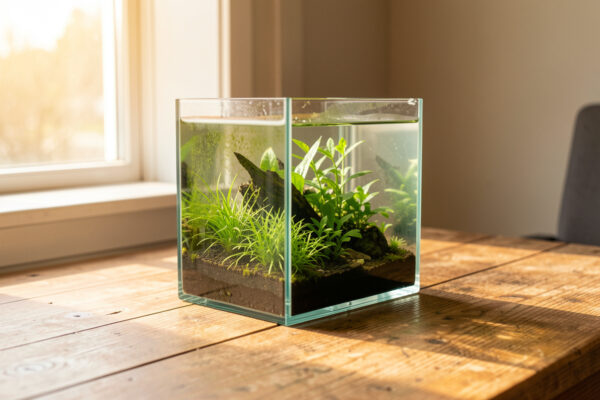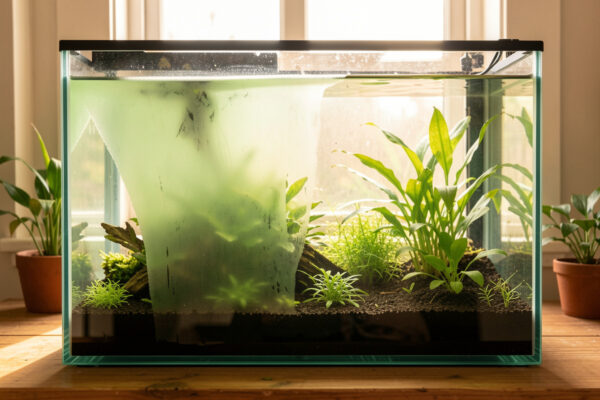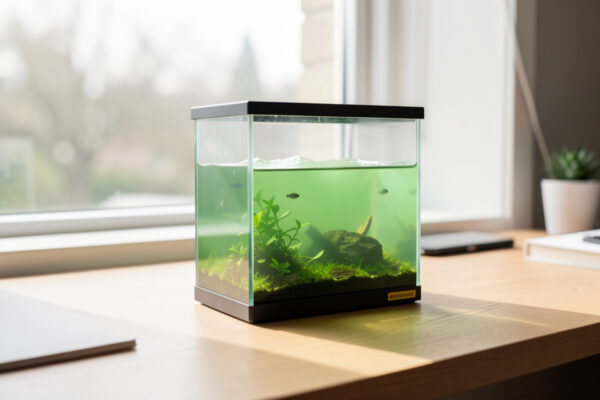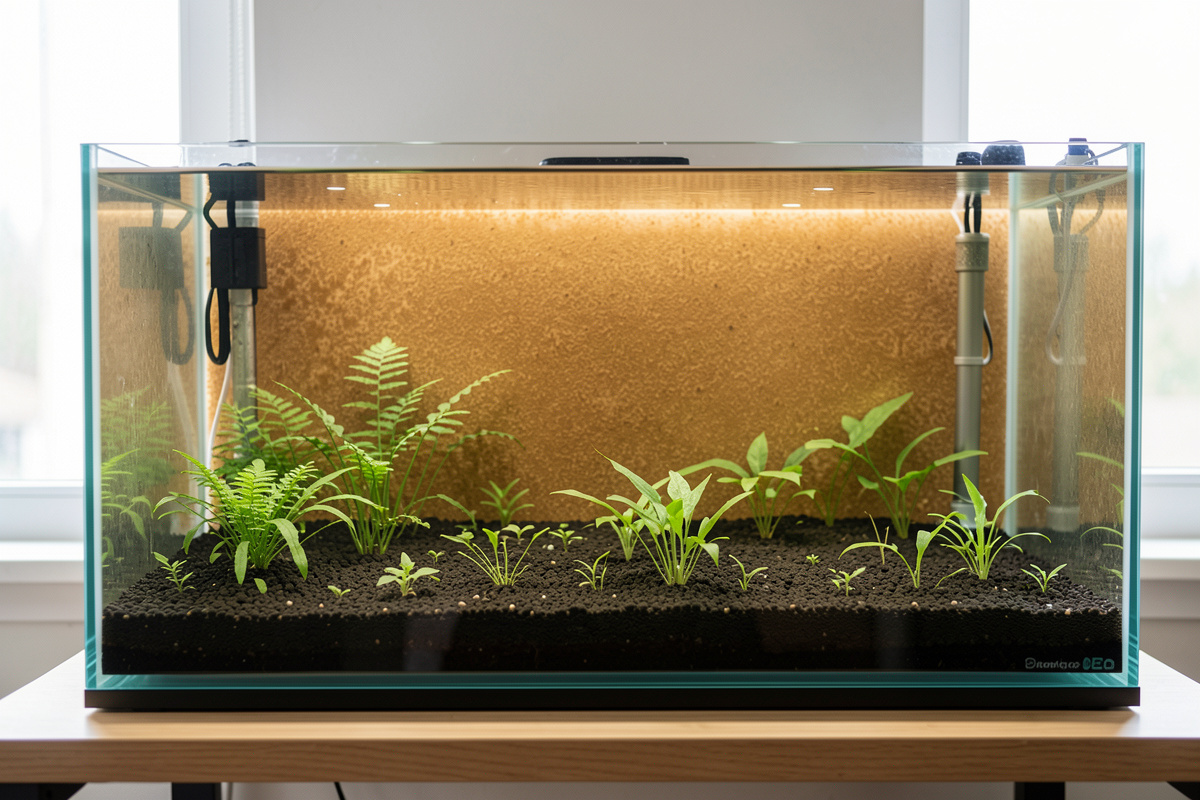
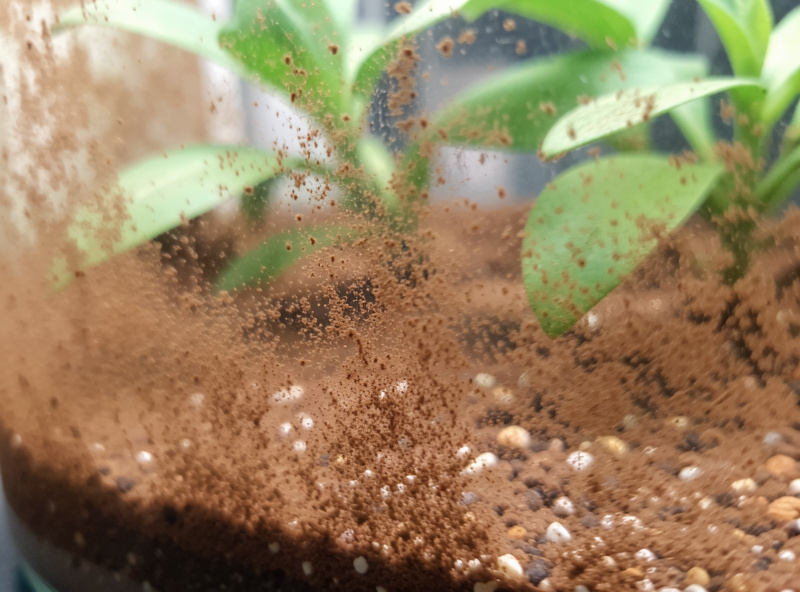
Diatoms in a new nano tank — that brown, dusty film coating the glass, substrate, and leaves two to eight weeks after setup — are not an algae problem. They are a cycling milestone. Nearly every new aquarium goes through a diatom phase as silicates leach from fresh materials and the biofilm establishes, and it fades on its own once the tank matures. Wiping it off and waiting is the entire treatment.
This is the most misdiagnosed algae in the hobby, and the one that triggers the most needless panic. A keeper sets up their first nano, does everything right, and three weeks in the tank turns brown — so they assume failure and start scrubbing, dosing, or tearing it down. None of that is necessary. The brown dust is the tank telling you it is doing exactly what a new tank should. I expect it on every tank I set up, the same way I expect a nitrite spike during a fishless cycle, and I treat it with patience rather than alarm.
What Diatoms Look Like and When They Appear
Diatoms form a brown to golden-brown dusty or slimy film that coats every surface evenly — glass, substrate, hardscape, leaves, and equipment — and wipes away easily with a soft cloth, only to return in a day or two. They typically appear two to eight weeks after a new tank is set up and then fade as the system matures. The easy removal and the brown colour distinguish them from the harder, greener algae types.
The timing is the clearest signal. If your tank is new and turning brown, it is almost certainly diatoms working through their natural phase. If the same brown film appears on a tank that has been stable for a year, that points to a different issue — usually a maintenance or flow problem worth investigating against the full algae map. But on a young tank, brown dust is the rule, not the exception, and the ease with which it wipes off is your reassurance that it is the harmless kind.
Why New Tanks Go Brown: Silicates and an Immature Cycle
Diatoms bloom in new tanks because they feed on silicates that leach from fresh substrate, sand, and even tap water, and because a young tank lacks the mature biofilm and plant mass to out-compete them. Diatoms are opportunists that thrive in exactly the conditions a new aquarium provides — abundant dissolved silica, surfaces with no established competition, and an immature nutrient cycle. As the silicates deplete and the ecosystem matures, the bloom runs out of fuel and recedes.
The link to the nitrogen cycle is direct. Until your biofilter is fully colonised and the tank has settled into stability, the nutrient environment favours fast opportunists like diatoms over slow-establishing plants and the higher algae. This is the same window where a new tank is most vulnerable to other instabilities, which is why I tell new keepers to expect a brown phase as part of the package. Reading when a tank is truly cycled tells you roughly when the diatom clock should run out — the two milestones tend to arrive together, usually within the first two months.
What to Do (and What Not to Do)
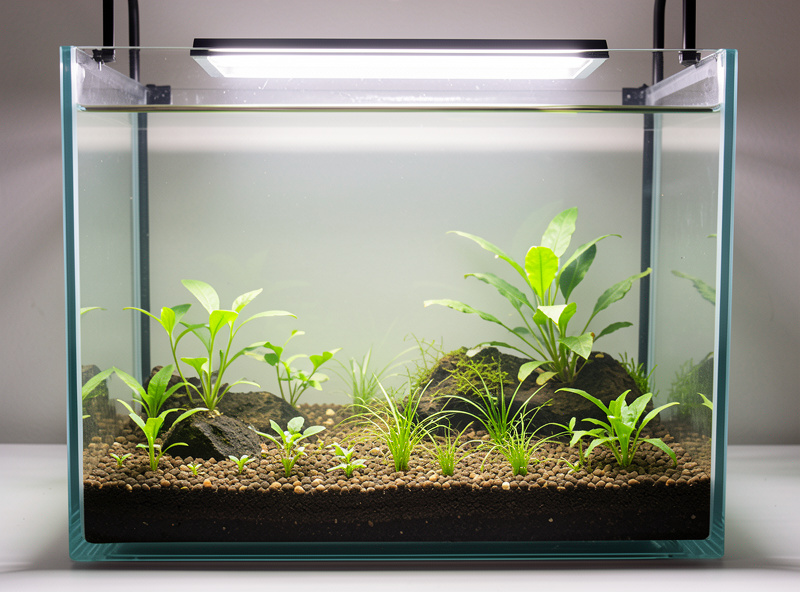
The correct response to new-tank diatoms is mostly patience, supported by light husbandry: wipe the glass at your normal water change, keep maintenance consistent, and let the cycle finish. There is nothing to treat and nothing to dose — the bloom ends when the tank matures, and aggressive intervention only delays the very maturation that fixes it. Do less, not more.
Do wipe the viewing glass at each water change so you can enjoy the tank while it works through the phase; the film comes off effortlessly. Do keep your routine steady — consistent water changes and stable parameters help the tank mature on schedule. Do let the plants establish, because as they grow into the space they consume the surplus and crowd diatoms out for good.
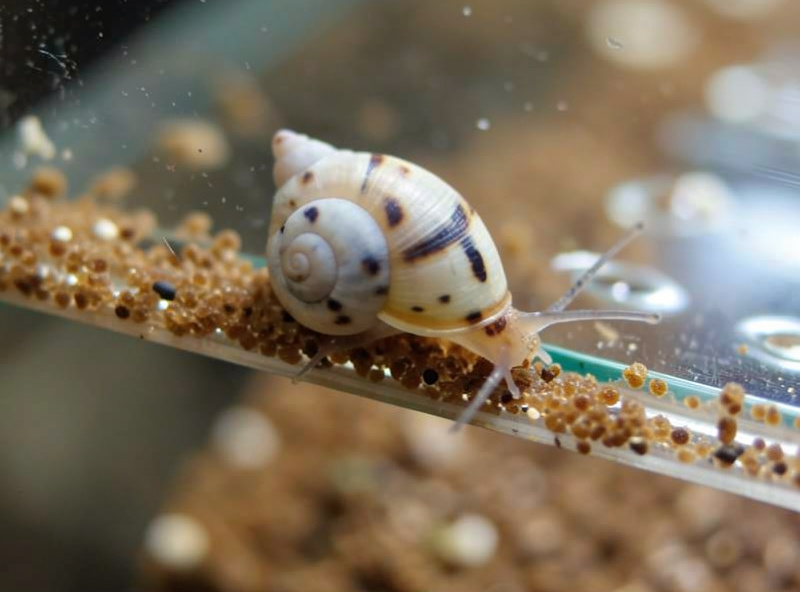
Do not tear the tank down, scrub the substrate aggressively, or reach for any chemical — all of that resets or disrupts the maturation you are waiting for. And do not panic about the cause, because there usually is not a fault to find. The single best biological help is a grazer: nerite snails and otocinclus catfish eat diatoms enthusiastically, and a small cleanup crew can keep a young tank visibly cleaner through the phase. Just make sure the tank is cycled enough to support them before adding livestock — patience first, animals second.
When Brown Algae Is Not Just New-Tank Diatoms
If a brown film persists well past the first couple of months, or appears on a long-established tank, the milestone explanation no longer fits and it is worth looking for a cause. Persistent diatoms on a mature tank usually point to an ongoing silicate source, very low light, or a maintenance lapse that has raised the organic load — conditions you can actually correct rather than wait out. The difference between “wait” and “act” is almost entirely about tank age.
On an established tank, I would check whether something is feeding a continued silica supply, whether the light is too weak for the plants to compete, and whether flow or maintenance has slipped — the same diagnostic discipline I apply to any algae through the parameter log. But for the overwhelming majority of brown-tank questions, the answer is the reassuring one: the tank is new, the diatoms are normal, and the stability you are waiting for is days or weeks away, not a problem to be solved.
Frequently Asked Questions
Are diatoms in a new tank bad?
No. A brown diatom film in a new tank is a normal cycling milestone, not a failure. Diatoms feed on silicates leaching from fresh materials and bloom until the tank matures, then fade on their own. Wiping the glass and waiting is the whole response.
How long do diatoms last in a new nano tank?
Diatoms usually appear two to eight weeks after setup and recede as the silicates deplete and the biofilm matures, often clearing within the first two months. The phase tends to end around the same time the nitrogen cycle finishes establishing.
How do I tell diatoms from other brown algae?
Diatoms form an even brown dusty film on every surface that wipes off easily with a soft cloth, and they appear on new tanks. If the brown growth is hard to remove or shows up on a long-established tank, it is more likely a different issue worth diagnosing by cause.
What eats diatoms in a nano tank?
Nerite snails and otocinclus catfish graze diatoms enthusiastically and can keep a young tank visibly cleaner through the phase. Make sure the tank is cycled enough to support livestock before adding them — patience comes first, a cleanup crew second.
Should I do extra water changes for diatoms?
Keep your normal, consistent water change schedule rather than adding aggressive extra changes. Diatoms end when the tank matures, and over-disrupting a young tank can delay that. Wipe the viewing glass at each change and let the plants and biofilm establish.
My tank is a year old and has brown film — is that diatoms?
Possibly, but on an established tank it is no longer a normal milestone. Persistent brown film usually points to an ongoing silicate source, very low light, or a maintenance lapse raising the organic load — all causes you can correct rather than wait out.
Related Guides
- The aquarium algae guide — diagnose every algae type by cause
- The nitrogen cycle, honestly — why a new tank favours opportunists like diatoms
- Is my aquarium cycled? — the milestone that ends the diatom phase
- Green water — the other new-tank cloudiness, and how to tell them apart
- Fishless cycle, step by step — set the tank up so it matures cleanly