The nerite snail is the best algae grazer you can put in a nano tank, and the reason is simple biology: it eats film and green spot algae off glass and hardscape harder than anything its size, and it physically cannot breed in fresh water. One nerite per 8–10 litres keeps my glass clear enough that I have retired the algae scraper on two of my four tanks.
I run nerites in my low-tech planted nano and my high-tech showpiece because they solve the one algae job plants and water changes never fully win: the thin film that reappears on glass between cleanings. This is the honest, keeper-tested breakdown of which nerite to buy, the water they need, and the one genuine downside — those stubborn white eggs — that nobody warns you about at the store.
Why nerites are the workhorse of nano cleanup
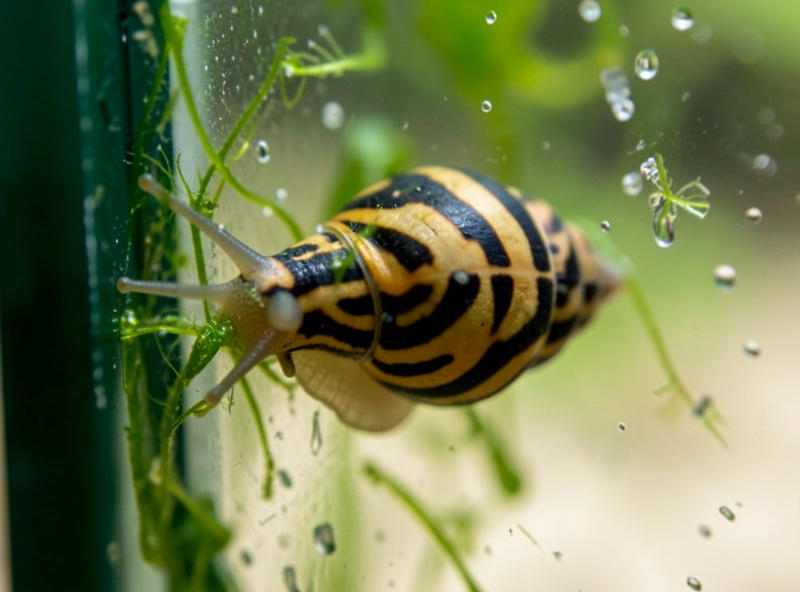
A nerite is built for grazing. Its radula — the rasping tongue every snail has — is tuned for scraping algae bonded tightly to hard surfaces, which is exactly where nano-tank algae lives. In my parameter log, a single zebra nerite in my 20-litre tank clears a visible grazing track across the front glass within an hour of lights-on. They work silicone seams, driftwood, rock and even plant leaves without damaging healthy tissue, because they only take algae and biofilm, not the plant itself.
The bioload cost is negligible. A nerite adds roughly the waste of a single small fish and imports nothing — it converts algae that was already in the tank. That is why I treat them as pure upside on any stable, cycled tank, and why they sit at the top of my best algae-eating snails ranking. The only thing a nerite cannot do is fix the imbalance feeding your algae; that is still a light, nutrient and flow problem you diagnose with the algae-by-cause method.
The nerite varieties, and which to pick
“Nerite” covers several species sold under trade names, and they differ more in shell than in behaviour — all of them graze well. The practical choices come down to size and how spiky the shell is, because horned nerites snag on fine plants and nets. The table below is how I sort the common ones for a nano.
| Variety | Shell look | Adult size | Best for |
|---|---|---|---|
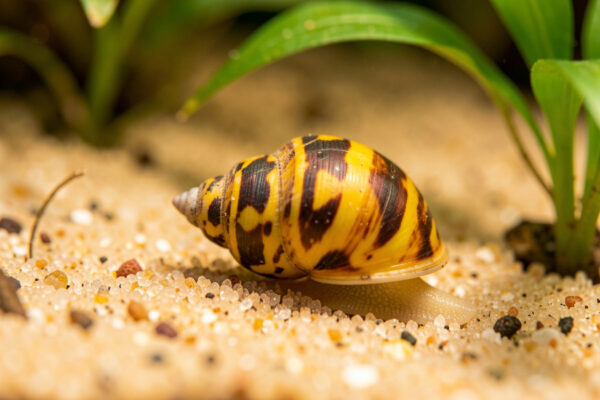
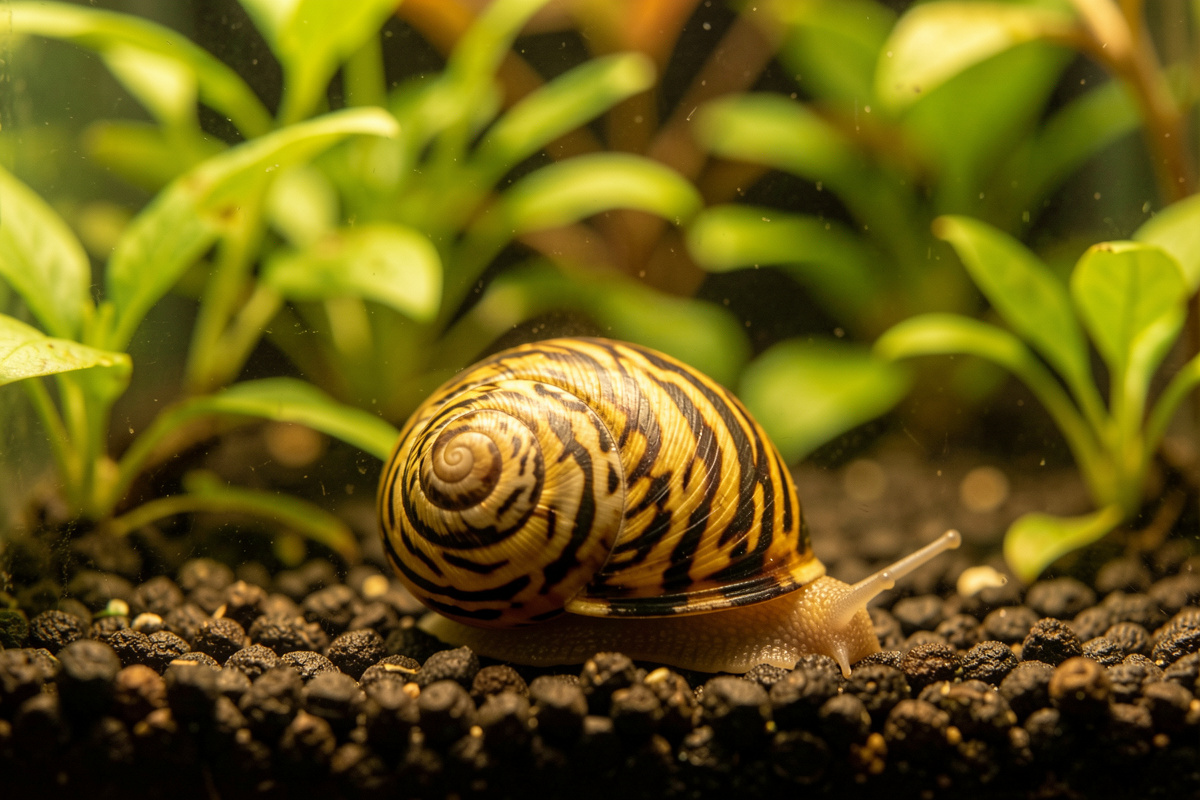
| Zebra nerite | Gold and black stripes, smooth | 2–2.5 cm | All-round grazing, most tanks |
| Tiger nerite | Amber with dark markings | 1.5–2 cm | Smaller nanos, planted scapes |
| Horned nerite | Yellow-black with small spikes | 0.7–1 cm | Pico tanks; snags on fine plants |
| Olive nerite | Plain dark olive-green | 2–2.5 cm | Cheap, tough, heavy grazers |
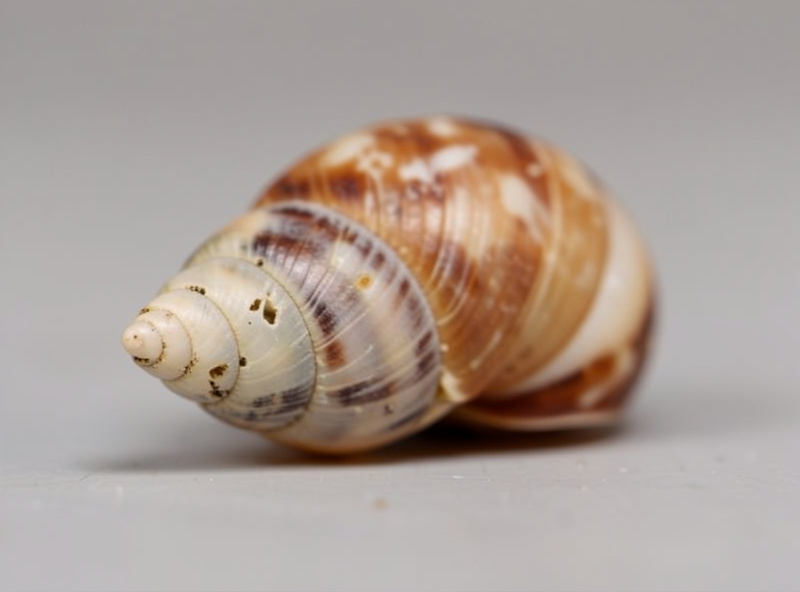
For a 20-litre nano I default to two zebra or tiger nerites. Horned nerites are charming and tiny, but their spikes catch on carpet plants and they are awkward to right when they fall on their backs. Whichever you choose, buy them looking active with intact shell tips — an eroded tip at the store is a sign of the soft-water damage covered below.
Water parameters a nerite needs
Nerites are hardy across a wide range, but their shells are not. They come from brackish estuaries, so they thrive in harder, more alkaline water than shrimp keepers usually run. My working targets are pH 7.0–8.2, GH 6–12, and — the number that matters most — KH at 4 dKH or higher. Below 4 dKH the shell starts pitting at the tip, because carbonate hardness is the raw material the snail builds shell from.
This is where nerites and soft-water shrimp create friction. My Neocaridina colony sits comfortably at the harder end where nerites also thrive, so they cohabit well; a Caridina tank run at KH 0–2 will erode a nerite over months. If your shells are already going chalky, the fix is chemistry, not medication — I lay out the full ranges in the shell erosion guide. Acclimate nerites slowly by drip; they hate a sudden parameter jump as much as shrimp do.
The white eggs: the one real downside
Here is the trade-off nobody mentions at the till. Well-fed female nerites lay eggs — small, hard, sesame-seed-shaped white capsules cemented onto driftwood, rock and glass. In fresh water they never hatch, because nerite larvae require brackish or marine salinity to develop. So you get sterile white dots that do no harm but are genuinely stubborn to scrape off dark hardscape.
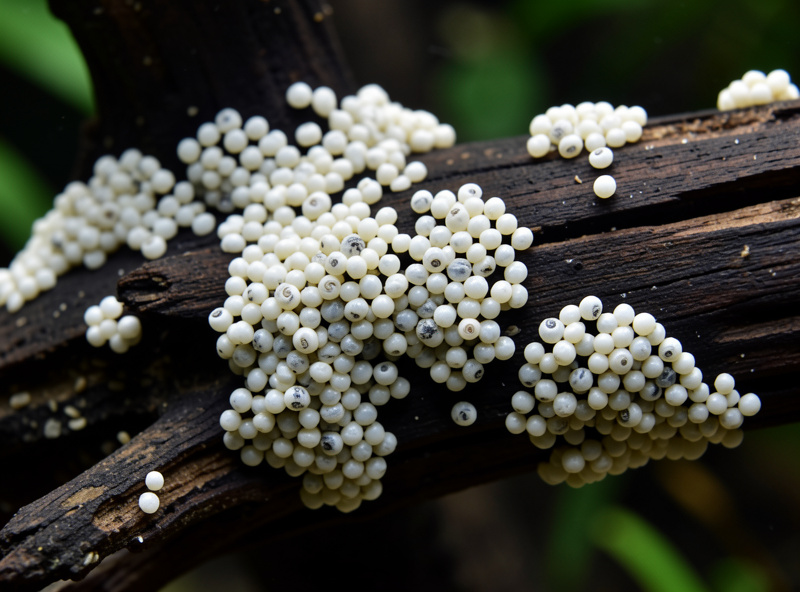
There is no way to stop a healthy female laying them, only ways to reduce and remove them. Keeping fewer nerites, or an all-male group where you can sex them, cuts the egg load; removal is mechanical. I walk through exactly why they appear and what actually shifts them in the nerite egg guide. For most keepers the eggs are simply the price of the best algae control in the hobby — I pay it happily.
Stocking nerites in a nano tank
Nerites are slow to foul water and slow to breed, so stocking is forgiving — the limit is food, not bioload. My rule is one nerite per 8–10 litres of algae-producing tank. Overstock and they graze the glass bare in days, then slowly starve because a small tank cannot regrow enough algae to feed a crowd. A starving nerite wanders the glass restlessly and thins at the shell aperture; that is your signal you have one too many.
Add them to an established tank, never a new one — a fresh setup has no algae film to sustain them. If your tank is too clean to feed a nerite, that is a good problem, and you supplement with an occasional algae wafer rather than adding more snails. Pair them with dwarf shrimp for a complete crew, matched to the same water; I cover that combination in keeping snails with shrimp, and the wider roster sits in the nano tank snails guide.
Frequently Asked Questions
How many nerite snails per nano tank?
About one nerite per 8 to 10 litres of algae-producing tank. Two zebra or tiger nerites suit a 20-litre nano. More than that and they graze the glass bare, then slowly starve because a small tank cannot regrow enough algae to feed a crowd.
Do nerite snails reproduce in freshwater?
No. Nerite larvae need brackish or marine salinity to develop, so eggs laid in fresh water never hatch. This is exactly why nerites are the safest algae grazer for a nano tank: you get the cleanup with zero population risk.
Why is my nerite snail’s shell turning white or pitting?
Soft water. The shell is calcium carbonate built from KH and GH. When KH drops below about 4 dKH the shell tip erodes and goes chalky white. It is a chemistry problem fixed by raising carbonate hardness, not a disease to medicate.
What kind of algae do nerite snails eat?
Nerites excel at film algae, brown diatoms and green spot algae bonded to glass, silicone and hardscape. They do not eat hair algae, black beard algae or green water. Match the grazer to the algae; a nerite handles surface films, not water-column problems.
Will nerite snails eat my plants?
No. Nerites only rasp algae and biofilm off surfaces and do not damage healthy plant tissue. They graze plant leaves for the film growing on them, which is why you often see them working over broad-leaved plants like Anubias without harming the leaf.