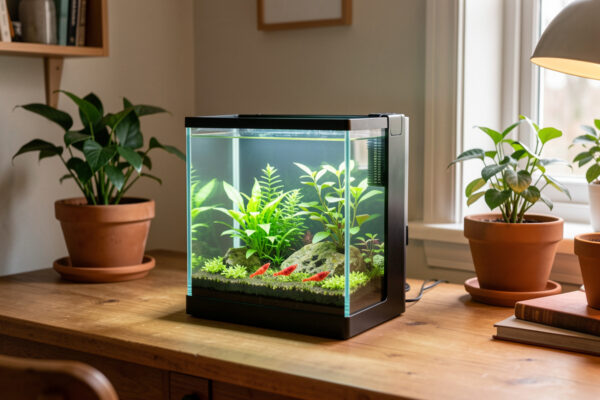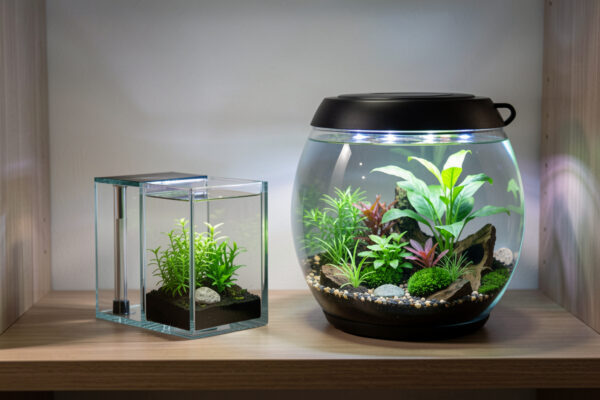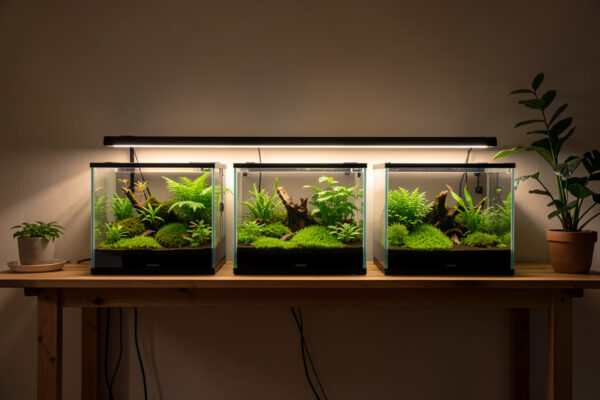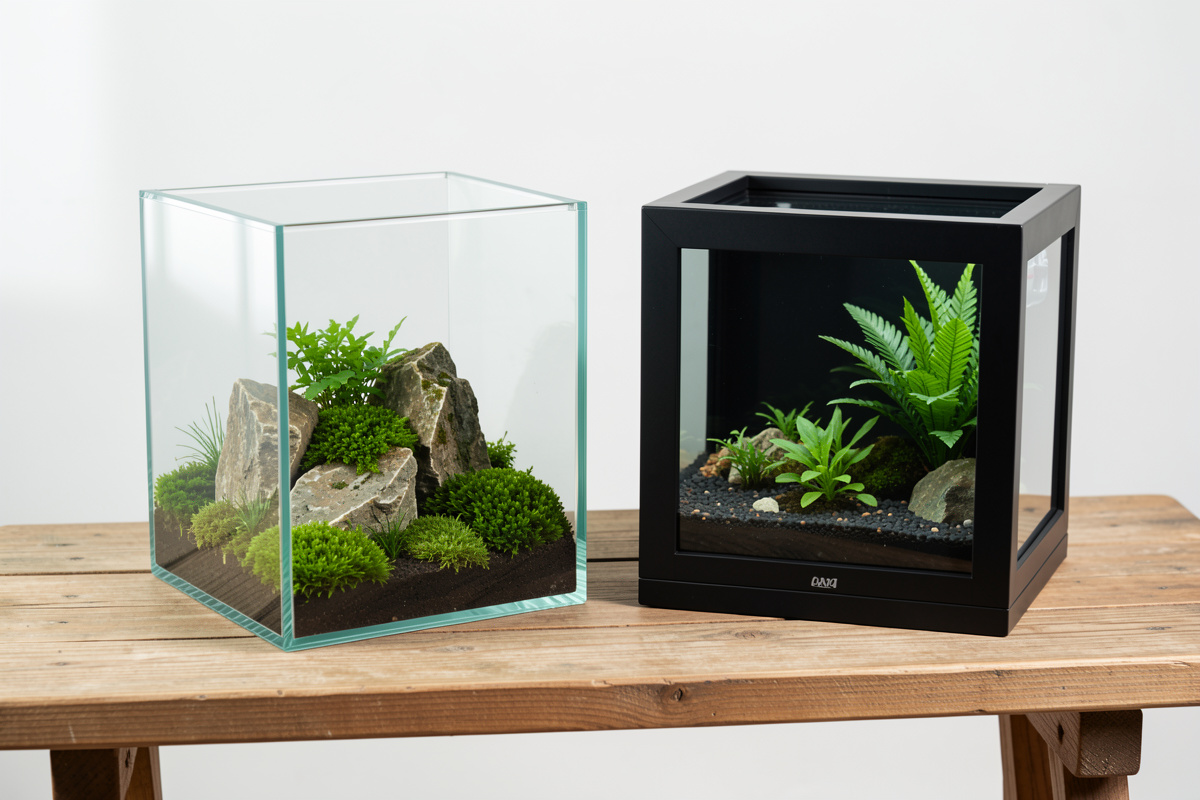
Buy a rimless aquascaping tank if the layout is the point and you want the cleanest possible view; buy an all-in-one kit if you want a working tank with the equipment solved for you. A rimless tank is bare, open-topped, low-iron glass held together by silicone alone — no plastic frame, no lid, no filter. You supply everything. That freedom is exactly why aquascapers love it and exactly why it costs more and asks more of you.
My high-tech 60-litre showpiece is a rimless build, aquascaped by my own hands, and my daily reference tank is a humble all-in-one. Both are good tanks. But they are aimed at completely different people, and picking the wrong one is how you end up with a stunning empty tank you are scared to plant, or a tidy kit you resent because you can’t scape it the way you imagined. Here is the honest split.
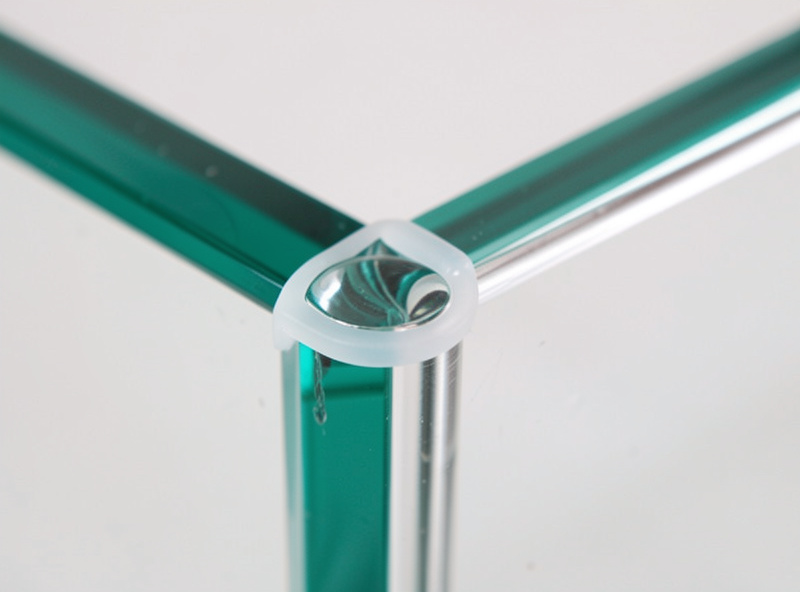
What Makes a Tank Rimless, and Why Aquascapers Care?
A rimless tank has no plastic bracing on the top or bottom edges — the glass panels are bonded with a thin, clean silicone seam and nothing else. Most quality rimless tanks also use low-iron (“diamant” or “clear”) glass, which drops the green tint ordinary float glass shows at the edges — whether that upgrade is worth it on a small tank is its own question I settle in is low-iron glass worth it. The result is a nearly invisible box: you see the aquascape, not the container. Brands like UNS and ADA built their reputations on exactly this.
Aquascapers care because the whole art is the illusion of a landscape underwater, and a black plastic rim breaks that illusion instantly. On my rimless tank the top edge disappears and the surface reads like the edge of a pond. That clarity is genuinely different from a kit — I cover the layout side of it in the complete nano aquascaping guide and the style choices in aquascaping styles for nano tanks. If you have never wanted to build a scape, none of this will move you, and that is fine — it is the tell that you want a kit instead.
Rimless vs All-in-One Kit: The Honest Trade-Offs
The kit solves problems for you; the rimless hands them all back. That is the trade in one sentence. Below is how the two stack up on the things that actually matter day to day, not in the marketing.
| Factor | Rimless aquascaping tank | All-in-one kit |
|---|---|---|
| Filter | You choose and source it | Built into a rear chamber |
| Light | You buy a separate unit | Factory strip included |
| Top | Open (evaporates faster) | Usually lidded |
| Glass clarity | Low-iron, near-invisible edges | Standard glass, slight green tint |
| Aquascaping freedom | Total | Limited by chamber and shape |
| Cost to running tank | $140 to $300+ | $110 to $160 |
| Best for | Aquascapers, high-tech plans | Beginners, display tanks |
The pattern is consistent: the rimless wins on looks and flexibility, the kit wins on convenience and price. Neither is a mistake. The mistake is buying the rimless because it is prettier and then discovering you did not actually want a second job sourcing a filter, a light, and a heater.
What the Rimless Route Actually Costs
The tank is the cheap part; the equipment is where the money goes, and a rimless makes that unavoidable. A quality low-iron nano tank might be $60 to $120 on its own, but it does nothing until you add a filter, a real light, a heater, and usually an external CO2 setup if you are chasing the demanding scapes rimless tanks are built for. That is why my realistic figure lands at $140 to $300 and up, against roughly $110 to $160 for a comparable kit — the full breakdown sits in all-in-one vs buying components separately.
Where does the extra money actually go? A decent light, first — factory kit strips grow low-light plants and little else, so a rimless owner is buying a proper unit from the start, which is the whole reason I point people to the best LED light for a nano planted tank. Then a good substrate, because rimless scapes usually lean on an active soil like the one I review in the ADA Amazonia guide. And a heater you can trust, verified against a thermometer, never the dial. The rimless is not expensive because the glass is expensive. It is expensive because you are buying the good version of everything else.

Is the Open Top a Problem?
The open top is the rimless tank’s best feature and its most annoying one. Best, because it lets light in unobstructed, gives you room to work with long tools, and looks clean. Annoying, because open water evaporates fast — on my rimless I top off every couple of days in a heated Swedish flat, and that evaporation quietly concentrates your minerals if you ignore it. I manage it with the discipline in evaporation and top-off discipline for nano tanks, and an auto top-off earns its keep faster on a rimless than on any other tank.
The other open-top cost is livestock. Some fish jump, and an open rimless is an invitation — I have found more than one adventurous fish on the floor over the years, which is a grim lesson you only need once. Shrimp are safe, most bottom-dwellers are safe, but known jumpers need either a mesh top or a lower fill line. Factor that into your stocking, which I cover honestly in the nano tank stocking guide. A kit’s lid solves this for you; a rimless makes it your responsibility.
Which Should a Beginner Buy?
For a first tank, buy the kit — nine times out of ten. A beginner’s job in month one is to cycle the tank, learn to read the water, and not panic, and an all-in-one removes every distraction from that job. The rimless adds sourcing decisions, a jumpier stocking picture, faster evaporation, and a higher bill, none of which help you learn the fundamentals. Start with the fundamentals; the whole case is in my nano tank kit guide, and the non-negotiable first step is a proper nitrogen cycle regardless of which tank you choose — dosed to the 2 to 3 ppm ammonia window DrTim’s Aquatics documents, held below 5 ppm so the bacteria never stall.
The exception: if the reason you are getting into this hobby is the aquascaping itself — if you have been staring at competition tanks and that is the whole draw — then buy the rimless and accept the learning curve, because a kit will only frustrate that ambition. Just go in clear-eyed that you are signing up for the advanced class from day one.
The Middle Path: A Rimless Tank Sold as a Bundle
The clean rimless-versus-kit divide has blurred, and it is worth knowing before you shop. Several brands now sell low-iron rimless tanks bundled with a matched hang-on-back filter, a clip light, and sometimes a heater — a “rimless kit” that gives you the invisible glass without the full sourcing project. It is a genuine middle path: you get the aquascaper’s view and the near-invisible edges, but the equipment decisions are made for you, at a price that usually sits between a bare rimless and a full all-in-one.
I think this is the smartest buy for a lot of people who want the look but not the homework. The one thing to watch is the bundled light and filter — brands vary, and the cheaper bundles skimp on the light exactly the way full kits do, so a plant-focused build may still want the upgrade in the best LED light guide. Treat the bundle as a starting point, not a finished spec. And whatever the box includes, verify the heater against a thermometer yourself, for the reasons in heater reliability on small tanks — a bundled heater is still a heater you should not trust on the dial. This route gets you 80 percent of the rimless magic for a lot less effort, and for most aspiring aquascapers that is the sweet spot.
The Aquascape You Simply Can’t Get From a Kit
Here is the honest reason the rimless keeps winning hearts. A kit constrains you: the rear chamber eats space, the shape is fixed, the front glass may curve, and the plastic rim frames everything — and even the footprint you scape into is a real decision, which is why I split out cube vs rectangle nano separately. A rimless is a blank canvas — you place hardscape against the front glass with no distortion, run a carpet edge-to-edge, and light it from above with the unit of your choice, using the layout logic in hardscape for nano tanks. My rimless is the only tank on my rack that photographs like a landscape rather than a fish box, and that is not the glass being fancy — it is the absence of everything a kit adds. If that is what you are after, no kit will scratch the itch. If it is not, save your money and buy the kit.
As an Amazon Associate I earn from qualifying purchases. The aisles: rimless low-iron nano tanks and nano LED lights. I test every fill with a liquid API kit and dose Seachem Prime — which by Seachem’s own description removes chlorine and chloramine and detoxifies ammonia — whichever tank I am running.
What is the difference between a rimless tank and a kit tank?
A rimless tank is a bare, open-topped aquarium made of low-iron glass bonded with silicone only, with no plastic frame, lid, filter or light included. An all-in-one kit tank includes an integrated filter, a factory light and usually a lid. With a rimless you supply and choose every component yourself.
Is a rimless aquarium harder to keep than a kit?
It is more demanding, mainly because the open top evaporates faster so you top off more often, and because you source and match your own filter, light and heater. The water chemistry itself is the same. A kit is more forgiving for a first tank because the equipment is solved for you.
Do rimless tanks need a lid?
Not structurally, but you may want a mesh top if you keep fish that jump. Many shrimp and bottom-dwellers are safe in an open tank, but known jumpers need a mesh cover or a lower fill line, since an open rimless offers no protection against a fish leaping out.
Is low-iron glass worth it on a rimless nano tank?
On an aquascaped display tank, yes, because you view through a short water column where ordinary glass shows a green edge tint that low-iron glass removes. On a purely functional tank like a shrimp grow-out, the clarity premium is money better spent on a light or water tools.
Should a beginner buy a rimless tank or a kit?
For most beginners, a kit. It removes sourcing decisions and lets you focus on cycling the tank and learning to read the water. Buy a rimless only if aquascaping itself is the reason you are starting the hobby, and accept the steeper learning curve and higher cost.